Termite removal is a critical process that every homeowner should take seriously. These pests, often referred to as the "silent destroyers," can cause significant structural damage to your property if left unchecked. Understanding termite removal involves recognising the signs of an infestation, the methods used to eliminate these pests, and the importance of timely intervention. The treatment process typically includes a thorough inspection, targeted treatments, and ongoing monitoring to ensure that the termites do not return. The termite treatment process can vary depending on the severity of the infestation and the type of termites involved.
Common methods include liquid treatments, bait systems, and in some cases, fumigation. Each method has its own advantages and is chosen based on specific circumstances. It is essential for homeowners to be aware of these options and to consult with professionals who can provide tailored solutions for their unique situations. After a successful termite removal, it is crucial to implement certain precautions to protect your home from future infestations. This includes regular inspections, maintaining proper drainage around your property, and addressing any wood-to-soil contact that could attract termites.
By understanding the full scope of termite removal and its implications, homeowners can take proactive steps to safeguard their homes against these destructive pests.
Immediate Steps to Take After Termite Removal
Once termite removal has been completed, it is crucial to take immediate steps to ensure that your home remains free from these pests. Here are some essential actions to consider:- Inspect the Area: After the treatment, thoroughly inspect the areas where termites were found. Look for any signs of remaining activity, such as mud tubes or damaged wood. If you notice any signs, contact your pest control professional immediately.
- Ensure Proper Ventilation: Good airflow is vital in preventing moisture buildup, which can attract termites.
Open windows and doors to allow fresh air to circulate, especially in areas that were treated.
- Monitor for Signs of Reinfestation: Keep an eye out for any new signs of termite activity over the next few months. Regularly check wooden structures and areas previously affected.
- Follow Up with Your Pest Control Service: Schedule a follow-up inspection with your pest control provider. They can assess the effectiveness of the treatment and recommend any additional measures if necessary.
- Avoid Disturbing Treated Areas: Refrain from making any significant changes or repairs in the treated areas for at least a few weeks. This allows the treatment to fully take effect.
Monitoring for Future Infestations
Once termite removal has been completed, it is crucial to implement a robust monitoring strategy to ensure that your property remains free from future infestations.Regular vigilance can help you catch any signs of termite return early, potentially saving you from extensive damage and costly repairs.
Signs of Termite Return
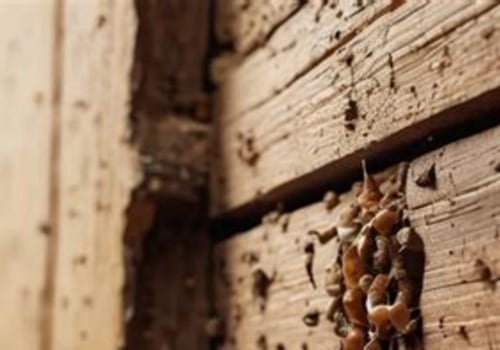
- Frass: This is the wood dust produced by termites as they eat through wood. Finding frass near wooden structures or furniture can indicate a resurgence.
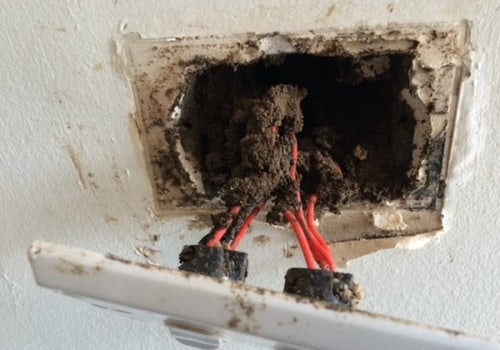
- Mud Tubes: Termites often build mud tubes to travel between their nests and food sources. Inspect your foundation and walls for these tubes, which are typically about the width of a pencil.
- Hollow Sounding Wood: If you tap on wooden structures and hear a hollow sound, it may suggest that termites have been active in that area.
- Swarmers: Winged termites, or swarmers, are a sign of a mature colony. If you notice these insects inside your home, it’s time to act quickly.
Regular Inspections
Conducting regular inspections of your property is essential in monitoring for potential termite activity.
Aim for at least an annual inspection by a professional pest control service, but consider more frequent checks if you live in an area prone to termite infestations. During these inspections, professionals can identify any new signs of activity and recommend appropriate measures.
Preventive Measures
In addition to monitoring, taking preventive measures can significantly reduce the risk of future infestations. Here are some effective strategies:
- Moisture Control: Termites thrive in damp environments. Ensure proper drainage around your home and fix any leaks promptly.
- Wood Treatment: Consider using treated wood for construction or renovations, as this can deter termites.
- Landscaping Practices: Keep mulch and soil away from the foundation of your home and avoid planting trees or shrubs too close to the structure.
- Pest Barriers: Installing physical barriers such as steel mesh or sand barriers can help prevent termites from entering your home.
Home Maintenance Tips to Prevent Termites
After successfully completing termite removal, it is crucial to implement effective home maintenance strategies to prevent future infestations.Here are some practical tips to help safeguard your home:
- Maintain Proper Drainage: Ensure that water drains away from your home’s foundation. Clogged gutters and downspouts can create moisture-rich environments that attract termites. Regularly clean your gutters and check for any blockages.
- Seal Cracks and Openings: Inspect your home for any cracks in the foundation, walls, or around windows and doors. Use caulk or other sealants to close these gaps, as they can serve as entry points for termites.
- Store Firewood Properly: If you use firewood, store it at least 20 feet away from your home and elevate it off the ground.
This reduces the likelihood of termites migrating from the wood to your home.
- Reduce Moisture Levels: Termites thrive in damp conditions. Use dehumidifiers in basements and crawl spaces, and fix any leaks in plumbing or roofing to keep moisture levels low.
- Regular Inspections: Schedule annual inspections with a pest control professional to catch any signs of termite activity early. Early detection can save you significant repair costs.
- Treat Wood Properly: Consider using pressure-treated wood for any outdoor structures, such as decks or fences. Additionally, applying a protective wood treatment can help deter termites.
When to Call a Professional After Termite Removal
After the initial termite removal process, it’s crucial to remain vigilant and aware of any signs that may indicate a need for further professional intervention.Here are some scenarios where calling a pest control expert is advisable:
- Persistent Signs of Infestation: If you notice any signs of termites, such as mud tubes, discarded wings, or hollow-sounding wood, it’s essential to contact a professional for a thorough inspection.
- New Damage: If you discover new damage to your property after treatment, this could indicate that the initial removal was not entirely effective. A professional can assess the situation and recommend additional treatments.
- Unusual Activity: If you observe unusual insect activity around your home, especially during warmer months when termites are more active, it’s wise to consult with a pest control expert.
For instance, if you’ve recently experienced heavy rainfall or flooding, this can create conditions conducive to termite infestations. In such cases, reaching out to pest control can provide peace of mind and ensure your home is safeguarded against these destructive pests. In summary, staying alert for signs of termite activity and scheduling regular inspections are key steps in maintaining a termite-free home after initial termite removal. Don’t hesitate to call in the professionals if you have any concerns; their expertise can save you from costly repairs down the line.
Frequently Asked Questions About Post-Termite Removal Care
After termite removal has been completed, homeowners often have several questions regarding the necessary precautions and care to ensure their property remains safe from future infestations. Here are some common queries and their answers:What should I do immediately after termite removal?
Once the termite removal process is finished, it’s essential to follow any specific instructions provided by your pest control professional.Generally, you should:
- Avoid disturbing treated areas for at least 24 hours to allow the treatment to take full effect.
- Inspect your home for any signs of damage that may need repair.
- Keep an eye out for any new signs of termite activity, such as mud tubes or discarded wings.
How long should I wait before re-entering treated areas?
The waiting period can vary based on the type of treatment used. Typically, it is advisable to wait at least 24 hours before re-entering treated areas. However, if you have concerns, consult your pest control technician for tailored advice.What preventive measures can I take after termite removal?
To reduce the risk of future infestations, consider implementing the following preventive measures:- Regular inspections: Schedule annual inspections with a pest control professional to catch any potential issues early.
- Moisture control: Ensure proper drainage around your home and fix any leaks to eliminate moisture that attracts termites.
- Wood treatment: Treat wooden structures with protective chemicals or use naturally resistant materials when making repairs.
- Landscaping adjustments: Keep mulch and wood piles away from the foundation of your home to deter termites.
How can I tell if termites have returned?
Be vigilant for signs of a new infestation, which may include:- Swarmers: Winged termites emerging from your home during warmer months.
- Mud tubes: Small tunnels made of soil and wood that termites use to travel.
- Sawdust-like frass: Droppings left behind by termites that resemble tiny wood pellets.
Conclusion: Key Takeaways for Homeowners
In conclusion, taking the right precautions after termite removal is crucial for ensuring the long-term protection of your home. Here are the key takeaways that every homeowner should keep in mind:- Regular Inspections: Schedule regular inspections with a pest control professional to catch any signs of termite activity early.
This proactive approach can save you from extensive damage and costly repairs.
- Moisture Control: Termites thrive in moist environments. Ensure that your home has proper drainage and ventilation to reduce moisture levels. Fix any leaks in plumbing or roofing promptly.
- Wood Treatment: Consider treating exposed wood with a protective barrier or sealant to deter future infestations. This is especially important for areas that are prone to moisture.
- Landscaping Practices: Maintain a safe distance between soil and wooden structures.
Avoid direct contact by using gravel or concrete barriers, and keep mulch away from the foundation of your home.
- Awareness of Signs: Educate yourself on the signs of termite activity, such as mud tubes, discarded wings, or hollow-sounding wood. Early detection can lead to quicker intervention.