Termites are often referred to as the silent destroyers of the pest world, capable of causing significant damage to homes and structures without immediate detection. Understanding the different types of termites is crucial for effective termite removal strategies, as each species exhibits unique behaviours and preferences that influence their impact on property. Among the most notorious are drywood and subterranean termites, both of which pose distinct challenges for homeowners and pest control professionals alike. The damage caused by these pests can be extensive, leading to costly repairs and potential safety hazards. Drywood termites typically infest wooden structures directly, while subterranean termites thrive in soil and often enter homes from below.
This fundamental difference in their nesting habits not only affects their behaviour but also dictates the methods required for effective removal. Recognising these differences is essential for anyone facing a termite infestation. In this article, we will delve deeper into the characteristics of drywood and subterranean termites, exploring their behaviours, the types of damage they cause, and the most effective removal techniques. By equipping yourself with this knowledge, you can take proactive steps to protect your home from these destructive pests and ensure a safe living environment.
What Are Drywood Termites?
Drywood termites are a type of termite that primarily infest dry, undecayed wood, making them distinct from other species that thrive in moist environments. These pests are known for their ability to live within the wood they consume, which allows them to cause significant damage to structures without being easily detected.Characteristics of Drywood Termites
- Size: Adult drywood termites typically measure between 6 to 10 mm in length.
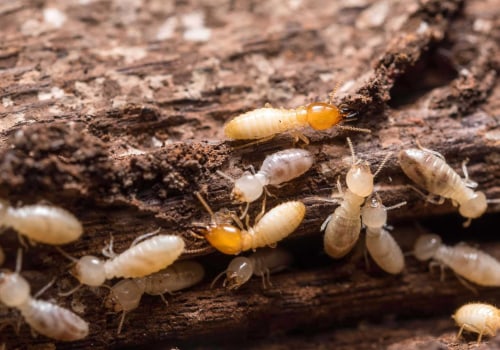
- Colour: They are usually light brown to yellowish in colour, with a smooth, shiny appearance.
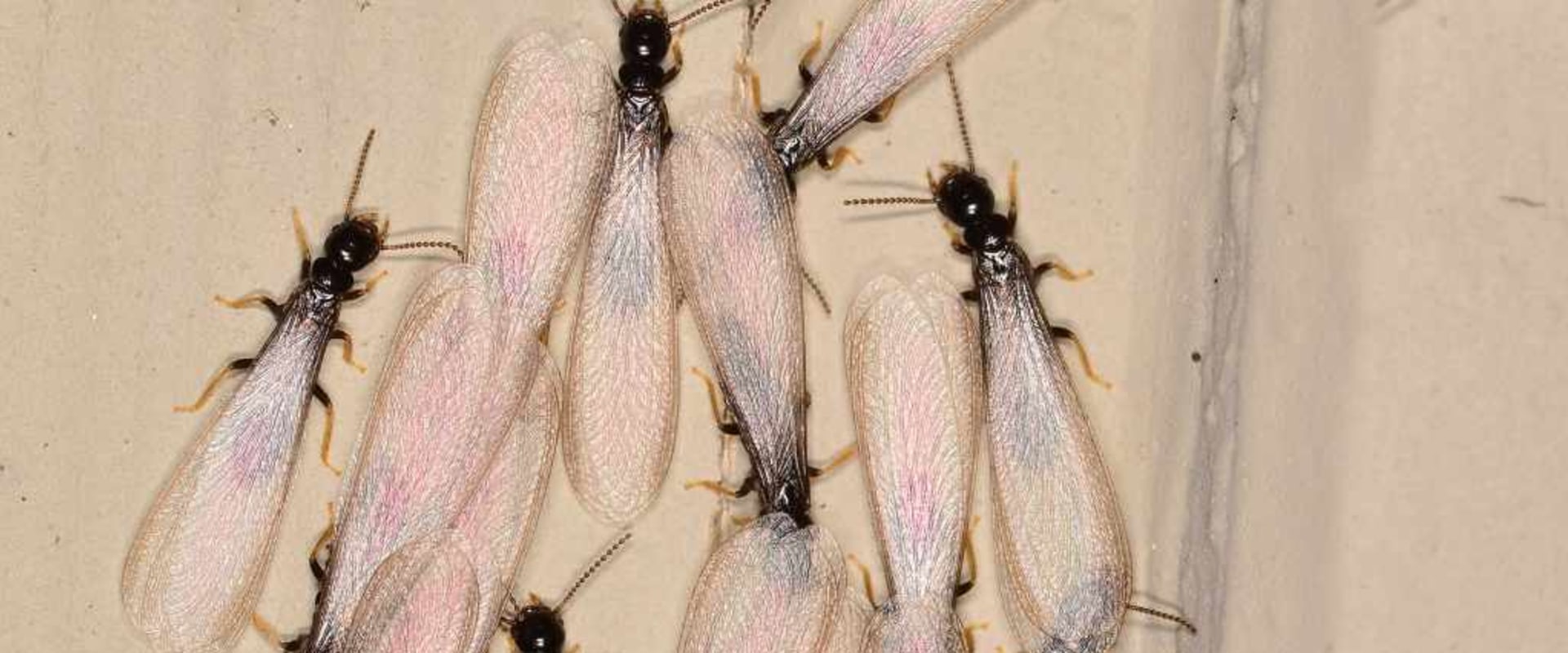
- Wings: When swarming, they possess two pairs of wings that are equal in size and shape, which they shed after mating.
- Body Structure: Their bodies are elongated and cylindrical, with a distinct head and a broad waist.
Habitat and Behaviour
Drywood termites typically inhabit wooden structures such as homes, furniture, and even wooden beams.
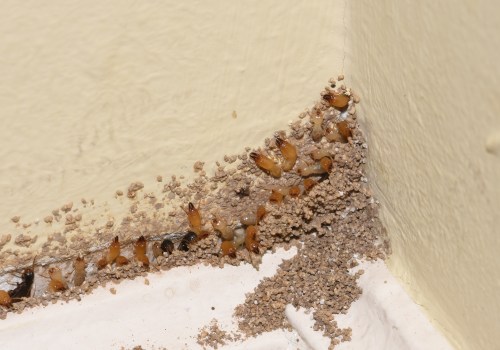
They do not require contact with soil, which differentiates them from subterranean termites. Instead, they create colonies within the wood itself. These colonies can range from a few hundred to several thousand individuals. Drywood termites are known for their unique behaviour of producing small pellets of faeces, which can often be found near infested wood.
Damage Caused by Drywood Termites
The damage inflicted by drywood termites can be severe and often goes unnoticed until significant structural issues arise.
They consume the wood from the inside out, leading to:
- Hollowed-out wood: This can compromise the integrity of beams and supports.
- Visible exit holes: Small holes may appear on the surface of the wood as they exit.
- Piles of frass: The tiny pellets of excrement can accumulate around infested areas.
What Are Subterranean Termites?
Subterranean termites are a highly destructive species of termite known for their unique nesting habits and the significant damage they can cause to structures and landscapes. Unlike their drywood counterparts, subterranean termites live in colonies underground, which allows them to access moisture and food sources more efficiently.Physical Characteristics
Subterranean termites are typically smaller than drywood termites, measuring about 1/4 to 1/2 inch in length. They possess a soft-bodied appearance with a creamy white or light brown colour.Their bodies are divided into three distinct sections: the head, thorax, and abdomen. One of the most notable features is their straight antennae, which help them navigate their environment.
Nesting Habits
These termites build their nests in the soil, creating extensive tunnel systems that can stretch for hundreds of feet. The tunnels serve as highways for the colony to travel between their nest and food sources, which primarily consist of wood and plant material. Subterranean termites require moisture to survive, making damp or decaying wood particularly attractive to them.Damage Caused by Subterranean Termites
The damage inflicted by subterranean termites can be severe and often goes unnoticed until significant structural issues arise.They primarily feed on cellulose found in wood, which can lead to:
- Structural Weakening: Over time, the continuous feeding can compromise the integrity of wooden beams, floors, and walls.
- Cosmetic Damage: Subterranean termites can also damage furniture and other wooden items within a home.
- Landscaping Issues: They may infest trees and shrubs, leading to dieback or even death of plants.
Key Differences Between Drywood and Subterranean Termites
When it comes to termite removal, understanding the differences between drywood and subterranean termites is crucial for effective treatment and prevention. Each type of termite has distinct characteristics that influence their behaviour, habitat, and the damage they cause.Habitat
Drywood termites typically inhabit dry, undecayed wood and can be found in structures such as furniture, beams, and wooden fixtures. They do not require contact with soil, which allows them to thrive in various environments.In contrast, subterranean termites live in colonies underground and require moisture from the soil. They often build mud tubes to access above-ground wood sources, making them more likely to infest foundations and wooden structures that are in contact with the ground.
Behaviour
The behaviour of these termites also varies significantly.Drywood termites
tend to be more solitary, with smaller colonies that can range from a few hundred to several thousand individuals. They consume wood from the inside out, leaving behind small pellets of frass as evidence of their presence.On the other hand, subterranean termites form large colonies that can number in the millions. Their social structure is complex, and they work collectively to forage for food, often causing extensive damage to wooden structures.
Signs of Infestation
- Drywood Termites: Look for small holes in wood surfaces and piles of frass beneath infested areas.
- Subterranean Termites: Signs include mud tubes on walls or foundations and hollow-sounding wood when tapped.
Methods of Damage
The damage caused by these termites also differs.Drywood termites
create galleries within the wood they infest, which can weaken structural integrity over time. In contrast, subterranean termites can cause severe damage by consuming wood from the inside out while also compromising the foundation of buildings due to their tunnelling activities.In summary, recognising the differences between drywood and subterranean termites is essential for effective termite removal.Understanding their habitats, behaviours, signs of infestation, and methods of damage will help homeowners take appropriate action to protect their properties.
Signs of Infestation: How to Identify Each Type
Identifying a termite infestation early is crucial for effective termite removal. Both drywood and subterranean termites exhibit distinct signs that can help homeowners pinpoint the type of infestation they are dealing with.Signs of Drywood Termites
- Frass: One of the most telling signs of drywood termites is the presence of frass, which resembles small wood pellets or sawdust. This material is excreted by the termites as they consume wood.
- Wood Damage: Look for hollowed-out wood or areas that sound hollow when tapped. Drywood termites often infest furniture, beams, and other wooden structures.
- Swarmers: During mating season, drywood termites produce winged swarmers that may be found near windows or light sources.
Finding discarded wings is a strong indicator of an infestation.
Signs of Subterranean Termites
- Mud Tubes: Subterranean termites create mud tubes to travel between their nests and food sources. These tubes are typically found on walls, foundations, or in crawl spaces.
- Wood Damage: Similar to drywood termites, subterranean termites also cause significant damage to wood. However, their damage often starts from the ground up, making it essential to inspect lower areas of your home.
- Swarmers: Like their drywood counterparts, subterranean termites also produce swarmers. However, these are usually seen in spring and are often found near moisture sources.
Early detection can significantly reduce the cost and complexity of termite removal. Consulting with a pest control professional can provide you with tailored solutions based on the type of termite infestation you are facing.
Effective Termite Removal Strategies for Each Type
When it comes to termite removal, understanding the specific type of termite infestation is crucial for effective treatment. Both drywood and subterranean termites require tailored strategies to ensure complete eradication.Drywood Termite Treatment
Drywood termites typically infest wooden structures and furniture, making them a challenge to detect until significant damage has occurred. Here are some effective methods for their removal:- Heat Treatment: This method involves raising the temperature of the infested wood to a level that is lethal to termites.
It is an eco-friendly option that can effectively eliminate drywood termites without the use of chemicals.
- Fumigation: For severe infestations, tenting the entire structure and using gas fumigants can penetrate all wood components, ensuring that even hidden colonies are eradicated.
- Boric Acid: This natural insecticide can be applied directly to infested areas or mixed with water and sprayed. It works by disrupting the termite's digestive system.
Subterranean Termite Treatment
Subterranean termites, on the other hand, live in colonies underground and often enter homes through the soil. Their removal strategies include:- Soil Treatments: Applying liquid termiticides to the soil around the foundation creates a barrier that prevents termites from entering. This method is often used as a preventive measure as well.
- Bait Systems: Bait stations containing slow-acting insecticides are placed around the property.
Termites consume the bait and share it with their colony, leading to a gradual decline in their population.
- Physical Barriers: Installing physical barriers such as steel mesh or sand barriers during construction can help prevent subterranean termites from accessing wooden structures.
Preventative Measures to Avoid Future Infestations
Preventing termite infestations is crucial for maintaining the integrity of your home. Here are some effective termite prevention tips that can help safeguard your property:- Regular Inspections: Schedule annual inspections with a pest control professional to identify any signs of termite activity early.
- Moisture Control: Termites thrive in damp environments. Ensure proper drainage around your home and fix any leaks in plumbing or roofing.
- Wood Treatment: Use treated wood for construction and repairs, as it is less appealing to termites.
Consider using borate treatments for added protection.
- Seal Entry Points: Inspect and seal cracks in your foundation, walls, and around windows and doors to prevent termites from entering your home.
- Maintain Landscaping: Keep mulch and wood piles away from the foundation of your home. Trim back trees and shrubs to reduce moisture accumulation near the structure.
Frequently Asked Questions About Termites and Their Removal
When it comes to termite removal, understanding the differences between drywood and subterranean termites is crucial for effective treatment. Here are some frequently asked questions that can help clarify these differences:- What are drywood termites? Drywood termites live within the wood they consume, requiring no contact with the soil.
They typically infest dry, undisturbed wood, making them a common problem in attics and wooden furniture.
- What are subterranean termites? Subterranean termites, on the other hand, build their colonies underground and require moisture from the soil. They often create mud tubes to travel between their nests and food sources, which can include wooden structures.
- How can I identify a termite infestation? Signs of a drywood termite infestation include small holes in wood and frass (termite droppings) that resemble sawdust. For subterranean termites, look for mud tubes on walls or foundations and hollow-sounding wood.
- What are the best methods for termite removal? The removal methods vary based on the type of termite. For drywood termites, heat treatment or fumigation is often effective, while subterranean termites may require baiting systems or liquid insecticides applied to the soil.
- Can I prevent termite infestations? Yes! Regular inspections, reducing moisture around your home, and sealing cracks can help prevent both types of termites.
Additionally, treating wood with preservatives can deter infestations.
Conclusion: Summarising the Differences and Importance of Effective Removal
In conclusion, understanding the differences between drywood and subterranean termites is crucial for effective termite removal. While both types of termites can cause significant damage to wooden structures, their behaviours, habitats, and methods of infestation vary greatly.Key Differences:- Habitat: Drywood termites typically infest dry wood and do not require contact with soil, while subterranean termites live in colonies underground and need moisture from the soil.
- Signs of Infestation: Drywood termites often leave behind small pellets of frass (excrement), whereas subterranean termites create mud tubes to travel between their nests and food sources.
- Colony Size: Subterranean termite colonies can be vast, sometimes numbering in the millions, while drywood termite colonies are generally smaller.
For instance, treating drywood termites often involves localized treatments such as heat or fumigation, while subterranean termites may require more extensive measures like soil treatments or baiting systems. Moreover, early detection is vital. Homeowners should regularly inspect their properties for signs of infestation and seek professional help at the first indication of termite activity. Ignoring the problem can lead to severe structural damage and costly repairs. In summary, recognising the unique characteristics of drywood and subterranean termites not only aids in effective termite removal but also helps in implementing preventative measures to protect your home from future infestations. By understanding these differences, homeowners can make informed decisions and take proactive steps to safeguard their properties.