Termite infestations are a common yet often overlooked issue that can lead to significant damage in homes. These pests, primarily known for their wood-eating habits, thrive in environments where moisture is present, making many households prime targets. Understanding how termite infestations occur is essential for homeowners, as it allows them to take proactive measures to protect their property. Typically, termites enter homes through cracks in the foundation or gaps around windows and doors. Once inside, they can go undetected for long periods, silently consuming wood and other cellulose materials.
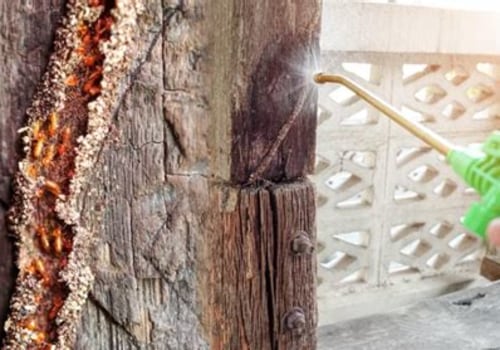
Homeowners should be vigilant for signs of termites, which include mud tubes along walls, discarded wings near windows or doors, and hollow-sounding wood. Recognising these indicators early can prevent extensive damage and costly repairs. The impact of a termite infestation can be devastating. Over time, these pests can compromise the structural integrity of a home, leading to weakened beams and floors. This not only poses a safety risk but can also diminish the value of the property.
Therefore, understanding the nature of termite damage is crucial for any homeowner. By being informed about how termites operate and the signs to look for, you can take the necessary steps to safeguard your home from these destructive invaders.
The Importance of Termite Removal
Termite removal is not just a matter of aesthetics; it is a crucial step in protecting your home from significant damage. These pests are often referred to as "silent destroyers" because they can cause extensive harm before their presence is even detected. Ignoring a termite infestation can lead to severe structural issues, which may require costly repairs and renovations.The importance of termite removal cannot be overstated.Termites feed on cellulose, which is found in wood and other plant materials. As they consume these materials, they compromise the integrity of your home’s structure, including beams, floors, and walls. Over time, this can result in:
- Weakened structural support: This can lead to sagging floors or even collapse in extreme cases.
- Increased repair costs: The longer you wait to address an infestation, the more expensive the repairs will be.
- Decreased property value: Homes with a history of termite damage may be less appealing to potential buyers.
Additionally, the emotional toll of dealing with an infestation can be overwhelming, as it often involves uncertainty about the extent of the damage and the effectiveness of treatment options.When it comes to termite treatment options, there are several methods available, including chemical treatments, baiting systems, and even natural remedies. Each option has its own set of advantages and disadvantages, and the best choice will depend on the severity of the infestation and your specific circumstances. Consulting with a professional pest control service can help you determine the most effective approach for your situation.In conclusion, timely and effective termite removal is essential for safeguarding your home against potential destruction. By addressing an infestation promptly, you can protect your investment and ensure a safe living environment for you and your family.
Do You Need to Remove Furniture and Belongings?
When it comes to termite removal, one of the most common concerns homeowners have is whether they need to remove all their furniture and belongings from their home during the treatment process.The answer is not a straightforward yes or no; it largely depends on the type of treatment being used and the extent of the infestation.
Understanding Treatment Methods
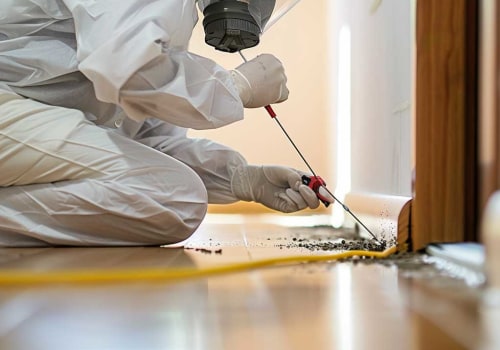
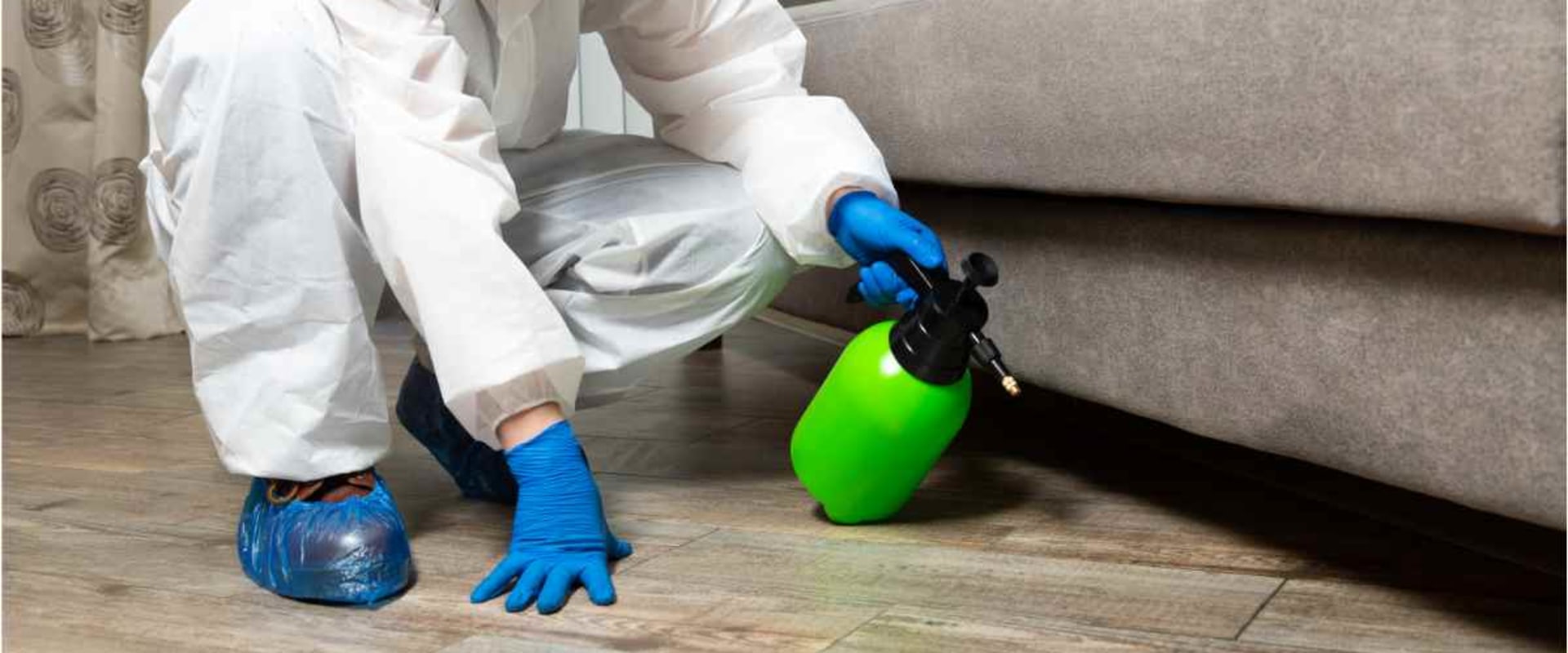
- Liquid Treatments: If your pest control professional is using liquid insecticides, it may not be necessary to remove all furniture. However, it is advisable to move items away from the walls where treatment will occur to ensure effective application.
- Fumigation: In cases of severe infestations, fumigation may be required. This method involves sealing your home and introducing a gas that penetrates all areas, including furniture and belongings. In this scenario, you will need to remove all items, especially food and personal belongings, to ensure safety.
- Baiting Systems: If baiting systems are being used, there is typically no need to remove furniture or belongings.
These systems are designed to be discreet and do not require extensive preparation.
Furniture Safety During Treatment
Regardless of the method used, it’s crucial to consider the safety of your furniture. Here are some tips:
- Cover Furniture: If you choose not to remove furniture, consider covering it with plastic sheeting to protect it from any chemicals used during treatment.
- Consult Your Pest Control Expert: Always discuss your specific situation with your pest control provider. They can offer tailored advice based on the treatment plan and your home’s layout.
- Check for Damage: After treatment, inspect your furniture for any signs of damage or chemical residue before bringing items back into treated areas.
Factors Influencing Furniture Removal Decisions
When considering termite removal, the decision to remove furniture and belongings from your home can be influenced by several key factors.Understanding these factors can help you make an informed choice that ensures the effectiveness of the treatment while protecting your possessions.
Type of Treatment
The method of termite removal plays a significant role in determining whether you need to clear out your furniture. For instance, if you opt for liquid pesticide treatments, it may be necessary to remove items from the affected areas to allow for thorough application and to prevent contamination. Conversely, baiting systems often require less disruption, as they target termites directly without the need for extensive chemical exposure.Severity of Infestation
The extent of the termite infestation is another critical factor. In cases of severe infestations, where structural damage is evident, it may be advisable to remove furniture to facilitate comprehensive treatment and repairs.This not only protects your belongings from potential damage but also allows pest control professionals to access all areas that may be affected.
Value and Sentimentality of Items
Consider the value and sentimentality of your furniture and belongings. If certain items are particularly valuable or hold sentimental significance, you might choose to relocate them temporarily to ensure their safety during the treatment process. This is especially true for antiques or heirlooms that could be damaged by chemicals or physical disturbances.Professional Recommendations
Ultimately, consulting with a professional pest control service can provide tailored advice based on your specific situation. They can assess the severity of the infestation and recommend whether furniture removal is necessary for effective termite removal.Their expertise will help ensure that both your home and belongings are adequately protected throughout the treatment process.
Best Practices for Preparing Your Home for Termite Treatment
Preparing your home for termite removal is crucial to ensure an effective treatment process. One common question homeowners have is whether they need to remove all furniture and belongings from their homes. While it may not be necessary to clear out every item, there are specific steps you should take to facilitate the treatment.1.Clear Access Points:
Ensure that the pest control technician has easy access to areas where termites are likely to be present, such as basements, attics, and crawl spaces. Move furniture away from walls and remove any items that may obstruct access to these areas.
2.Remove Clutter:
Decluttering your home can significantly aid in the termite treatment.
Remove any unnecessary items from floors and surfaces, as this will allow for a thorough inspection and treatment. Pay special attention to cardboard boxes and wooden items, as these can attract termites.
3.Protect Valuables:
While you don’t need to remove all belongings, it’s wise to protect valuable items. Cover furniture with plastic sheets or move them to a different room if possible. This will help prevent any potential damage during the treatment process.
4.Outdoor Preparation:
Don’t forget about the exterior of your home.
Trim back any shrubs or trees that are close to the foundation, as these can provide a pathway for termites. Additionally, remove any wood piles or debris from around your property.
5.Communicate with Your Pest Control Service:
Always consult with your pest control provider for specific instructions tailored to your situation. They may have particular recommendations based on the type of treatment being used and the severity of the infestation.By following these best practices, you can ensure that your home is adequately prepared for termite removal, leading to a more effective treatment and peace of mind.
Frequently Asked Questions About Termite Treatment and Furniture Removal
When it comes to termite removal, many homeowners have questions about whether they need to remove all their furniture and belongings from their homes during the treatment process. Here are some common concerns and answers regarding this topic.Do I need to remove all my furniture?
In most cases, it is not necessary to remove all furniture from your home during termite treatment.However, there are specific situations where moving certain items may be beneficial:
- Access for Treatment: If the treatment involves applying chemicals or bait systems in areas that are heavily furnished, it may be advisable to move some items to ensure thorough application.
- Protection of Valuables: If you have valuable or delicate items, consider relocating them to prevent any potential damage from the treatment process.
- Space for Equipment: Pest control professionals may need space to set up their equipment, so clearing a path can facilitate a more efficient treatment.
What about smaller belongings?
For smaller items such as books, clothing, and decorative pieces, it is generally recommended to keep them in place unless advised otherwise by your pest control technician. They can provide specific guidance based on the type of treatment being used.Will the treatment affect my furniture?
The chemicals used in termite removal are designed to target pests while being safe for household items. However, it’s wise to cover or move sensitive materials like upholstered furniture or electronics to avoid any unintended exposure.What should I do before treatment?
Before the treatment begins, it’s a good idea to:- Consult with Professionals: Speak with your pest control provider about their specific recommendations regarding furniture and belongings.
- Prepare Your Home: Clear away any clutter that might obstruct access to infested areas.
- Follow Instructions: Adhere to any pre-treatment instructions given by your pest control expert for optimal results.
Conclusion: Making Informed Decisions About Termite Treatment
In conclusion, understanding the intricacies of termite removal is crucial for homeowners facing potential infestations. One of the most common concerns is whether to remove all furniture and belongings from the home during treatment.While it may seem like a necessary step, the reality is more nuanced. Firstly, it’s essential to consult with your pest control professional. They can provide tailored advice based on the severity of the infestation and the specific treatment methods being employed. In many cases, it is not required to remove all items from your home, especially if the treatment involves localized applications or baiting systems.
- Assessing the Situation: Before making any decisions, evaluate the extent of the termite problem. If the infestation is widespread, more extensive preparations may be necessary.
- Protecting Valuables: While complete removal may not be needed, it’s wise to protect valuable items and sensitive materials.
Consider moving them to a safe location or covering them with protective sheeting.
- Follow Professional Guidance: Adhering to the recommendations of your pest control expert will ensure that you are taking the right steps without unnecessary disruption.