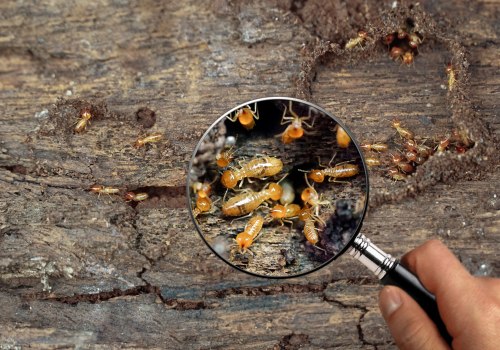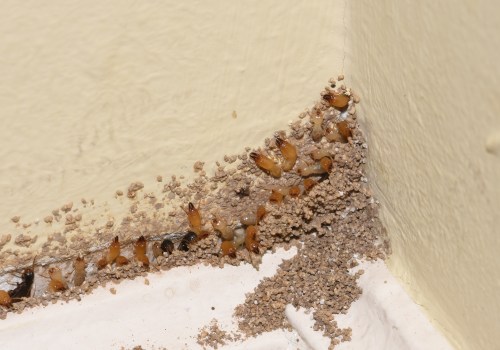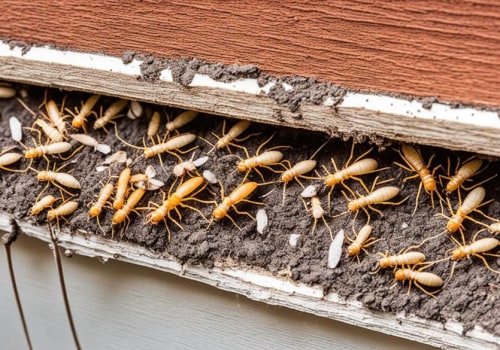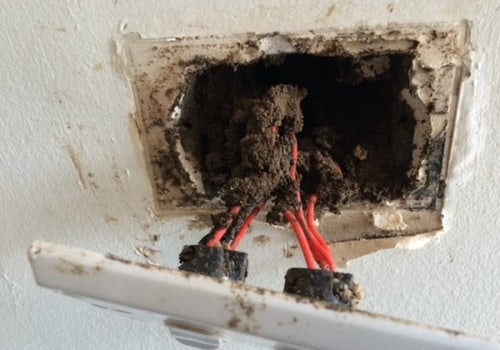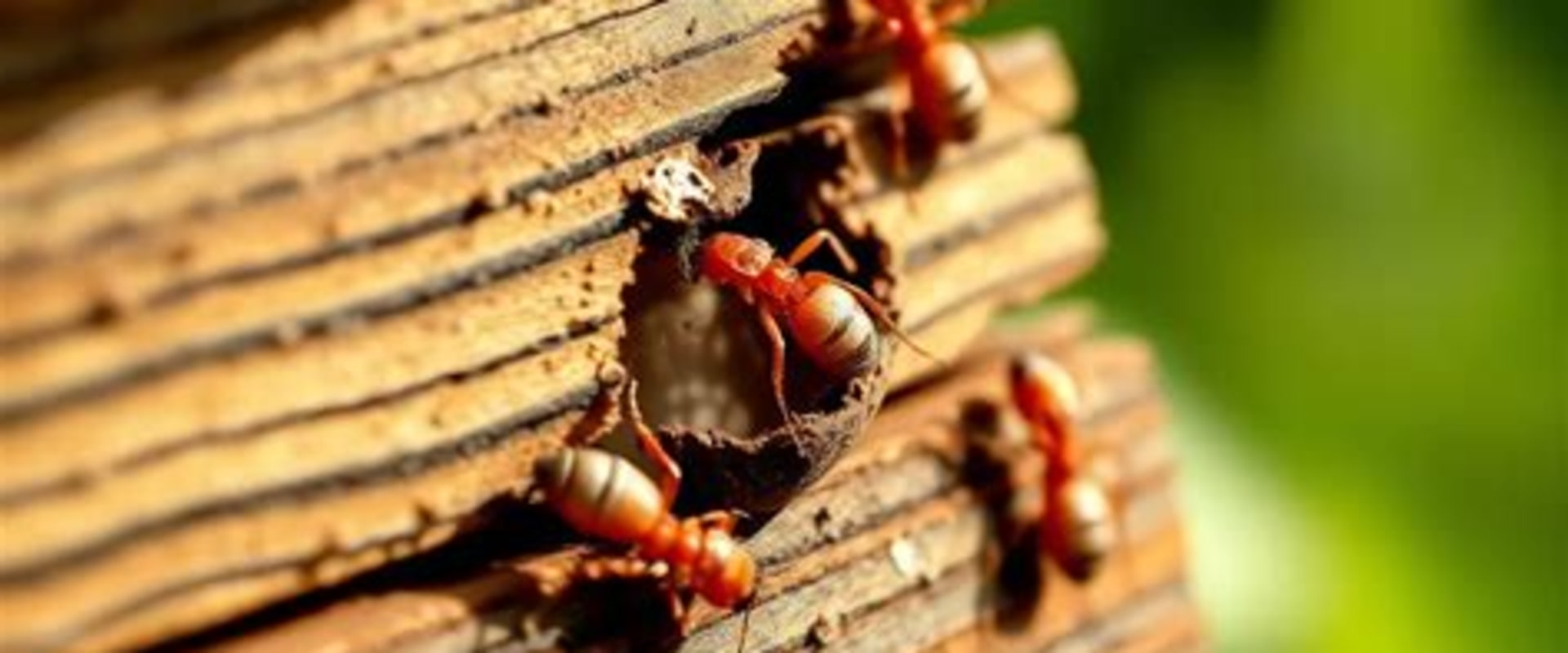
Termites are often referred to as the silent destroyers of the insect world, capable of causing significant damage to wooden structures and other cellulose-based materials. These small, social insects thrive in colonies and are primarily known for their wood-eating habits, which can lead to devastating consequences for homes and buildings if left unchecked. Understanding their behaviour and the extent of termite damage is crucial for effective termite removal and prevention strategies. Termites play a vital role in the ecosystem by breaking down dead and decaying wood, returning nutrients to the soil. However, when they invade human habitats, their impact can be catastrophic.
A single colony can consume several pounds of wood in a year, leading to structural weaknesses that may not be immediately visible. This hidden destruction makes it essential for homeowners to recognise the signs of an infestation early on. The importance of termite control cannot be overstated. Not only does it protect your property from costly repairs, but it also safeguards your investment and peace of mind. By understanding the nature of these pests and their potential impact, homeowners can take proactive measures to mitigate risks and ensure their living spaces remain safe and secure.
The Role of Natural Predators in Termite Control
When it comes to termite removal, many homeowners are often unaware of the effective role that natural predators can play in controlling termite populations.These predators not only provide a biological control method but also offer an eco-friendly alternative to chemical treatments.Several species are known to prey on termites, contributing to their natural regulation:
- Ants: Certain ant species, such as Formica and Pheidole, are notorious for their predation on termites. They invade termite colonies and can significantly reduce their numbers.
- Termite Nematodes: These microscopic roundworms are parasites that infect and kill termites. They are a promising option for eco-friendly termite removal, as they target termites specifically without harming other beneficial insects.
- Birds: Various bird species, including woodpeckers and swallows, feed on termites. Their presence in an area can help keep termite populations in check.
- Mammals: Some mammals, such as anteaters and certain rodents, also consume termites, contributing to their natural control.
- Environmental Safety: Natural predators do not introduce harmful chemicals into the environment, making them a safer choice for both humans and wildlife.
- Sustainability: By fostering a balanced ecosystem, these predators can provide ongoing control of termite populations without the need for repeated chemical applications.
- Cost-Effectiveness: While initial costs may vary, relying on natural predators can reduce long-term expenses associated with chemical treatments and their potential reapplication.
By understanding and utilising these natural allies, homeowners can effectively combat termites while minimising environmental impact.
Common Natural Predators of Termites
When it comes to termite removal, understanding the role of natural predators can be invaluable. Several species in nature have developed a taste for termites, helping to keep their populations in check.Ants That Eat Termites
One of the most effective natural predators of termites is ants. Certain species, such as army ants and termite-eating ants, actively hunt and consume termites. These ants are known for their aggressive behaviour and can decimate termite colonies when they invade.The Formica genus, for instance, has been observed to raid termite mounds, significantly reducing their numbers.
Nematodes and Termites
Nematodes are microscopic roundworms that can also play a crucial role in termite removal. Some species of nematodes, particularly those in the Steinernema and Heterorhabditis genera, are parasitic to termites. When these nematodes enter a termite's body, they release bacteria that kill the host. This method of biological control is not only effective but also environmentally friendly, making it a sustainable option for managing termite populations.Birds That Eat Termites
Certain bird species have also adapted to include termites in their diet.Birds such as the woodpecker, antbird, and swallow-tailed kite are known to forage for termites. They often locate termite nests by observing the activity around them and can consume large quantities of these pests in a single feeding session. Their presence in an ecosystem can help maintain a balance by controlling termite numbers.Incorporating these natural predators into a comprehensive pest management strategy can enhance the effectiveness of termite removal. By fostering an environment that supports these beneficial species, homeowners can reduce reliance on chemical treatments while promoting ecological balance.
How to Encourage Natural Predators in Your Garden
Creating a garden that attracts natural predators can be an effective strategy for termite removal.By fostering a balanced ecosystem, you can encourage beneficial insects and animals that naturally keep termite populations in check. Here are some practical tips to help you create a predator-friendly environment:
- Plant Diversity: Incorporate a variety of plants in your garden. Different species attract different predators. For instance, flowering plants like yarrow and marigold can attract ladybugs and lacewings, which feed on pest insects.
- Provide Shelter: Create habitats for natural predators by adding features such as brush piles, rock gardens, or log piles.
These structures offer shelter for birds, reptiles, and beneficial insects that prey on termites.
- Avoid Pesticides: Minimise the use of chemical pesticides in your garden. These substances can harm beneficial predators along with the pests you aim to control. Instead, opt for organic pest control methods that are less harmful to the ecosystem.
- Encourage Birds: Birds are excellent natural predators of termites. Install birdhouses and feeders to attract them to your garden.
Additionally, planting native shrubs can provide food and nesting sites for various bird species.
- Water Sources: Ensure there are water sources available in your garden, such as birdbaths or small ponds. This will not only attract birds but also other wildlife that can help control pest populations.
Limitations of Using Natural Predators for Termite Removal
While employing natural predators for termite removal may seem like an eco-friendly solution, there are several limitations and drawbacks to consider. Understanding these can help homeowners make informed decisions about pest control methods.Disadvantages of Natural Predators
One significant disadvantage is that natural predators often do not provide immediate results.For instance, while birds, ants, and certain nematodes can effectively reduce termite populations, their impact may take time to manifest. This delay can be problematic for homeowners facing severe infestations.
When Natural Predators are Ineffective
Natural predators may also be ineffective in certain situations. For example:- Environmental Conditions: Extreme weather conditions can affect the survival and activity levels of predators. Cold winters or dry spells may reduce their effectiveness.
- Predator-Prey Dynamics: In some cases, the predator population may not be sufficient to control the termite population effectively.
If termites reproduce faster than their natural enemies can consume them, the infestation will persist.
- Specificity of Predators: Some predators are highly specialised and may not target all termite species. This specificity can limit their usefulness in diverse environments where multiple termite species exist.
Limitations of Biological Control
The reliance on biological control methods also comes with inherent limitations:- Lack of Consistency: The effectiveness of natural predators can vary widely based on local ecosystems and the presence of other competing species.
- Potential for Imbalance: Introducing non-native predators can disrupt local ecosystems, leading to unintended consequences such as the decline of beneficial species.
- Long-Term Commitment: Relying on natural predators requires a long-term commitment to monitoring and managing both the predator and prey populations, which may not be feasible for all homeowners.
Integrating Natural Predators with Other Termite Control Methods
When it comes to termite removal, integrating natural predators with other pest control methods can create a more effective and sustainable approach. This strategy falls under the umbrella of integrated pest management (IPM), which emphasises the use of multiple techniques to manage pest populations while minimising environmental impact.Natural predators such as nematodes, ants, and certain birds can play a crucial role in controlling termite populations. However, relying solely on these predators may not yield immediate results.Therefore, combining these biological controls with other methods can enhance overall effectiveness.
Combining Methods for Effective Termite Control
- Biological Control: Introduce natural predators like nematodes into the affected areas. These microscopic worms can invade termite colonies and significantly reduce their numbers.
- Cultural Practices: Maintain a dry environment by fixing leaks and ensuring proper drainage. This reduces the likelihood of termite infestations and supports the effectiveness of natural predators.
- Physical Barriers: Use physical barriers such as metal mesh or sand barriers to prevent termites from accessing wooden structures, while allowing natural predators to thrive in the surrounding soil.
- Chemical Treatments: In cases of severe infestation, consider using targeted chemical treatments that are less harmful to beneficial organisms. This can help manage termite populations while preserving natural predators.
This method not only promotes ecological balance but also reduces reliance on chemical pesticides, making it a more sustainable choice for long-term pest management.
Frequently Asked Questions About Termite Removal and Natural Predators
When considering termite removal, many homeowners wonder about the role of natural predators in managing termite populations. Here are some frequently asked questions regarding this approach:Do Natural Predators Work for Termites?
Yes, natural predators can be effective in controlling termite populations. Various species, such as ants, nematodes, and certain types of birds, have been known to prey on termites. For instance, fire ants are particularly aggressive and can significantly reduce termite numbers in an area.However, the effectiveness of these predators can vary based on environmental conditions and the specific type of termite.
How Effective Are Natural Predators?
The effectiveness of natural predators in termite removal largely depends on several factors:- Species of Predator: Some predators are more efficient than others. For example, nematodes can invade termite colonies and cause significant damage.
- Population Density: A higher density of natural predators may lead to better control of termite populations.
- Environmental Conditions: Factors such as moisture levels and habitat can influence predator success.
Can I Rely on Natural Predators Alone?
Relying solely on natural predators for termite removal is generally not advisable. While they can assist in controlling termite numbers, they often do not provide a comprehensive solution. Termites reproduce quickly, and their colonies can grow larger than what natural predators can manage effectively.Therefore, it is recommended to use a combination of methods, including professional pest control services, to ensure thorough elimination of termites.In conclusion, while natural predators play a role in managing termite populations, they should be part of a broader strategy for effective termite removal.
Conclusion: The Future of Termite Control with Natural Predators
In conclusion, the integration of natural predators into termite control strategies presents a promising avenue for effective termite removal. As we have explored, these predators not only offer a sustainable solution but also contribute to the ecological balance within their environments. By harnessing the power of nature, homeowners and pest control professionals can reduce reliance on chemical treatments, which often come with adverse environmental impacts.Among the various natural predators, nematodes , fungi , and certain species of ants have shown significant potential in managing termite populations. For instance, nematodes can infiltrate termite colonies and effectively eliminate them without harming other beneficial insects.Similarly, fungi can infect termites, leading to their demise while enriching the soil.Moreover, fostering a habitat that encourages these natural predators can be an effective long-term strategy. This includes:
- Maintaining biodiversity: A diverse ecosystem supports a variety of natural predators.
- Avoiding chemical pesticides: Reducing chemical use helps protect beneficial organisms.
- Creating conducive environments: Planting native vegetation can attract predatory species.