Termites are often misunderstood creatures, primarily known for their destructive tendencies towards wooden structures. However, their impact extends beyond mere property damage, leading to a common misconception that they pose a direct threat to humans and pets. While termite removal is crucial for safeguarding your home, understanding the true nature of these insects is equally important. These social insects play a vital role in the ecosystem by breaking down dead plant material, which enriches the soil. Yet, their presence in residential areas can lead to significant risks, particularly when infestations go unchecked.
Homeowners often worry about the structural integrity of their properties, but the question arises: do termites actually harm humans or pets? The answer is nuanced; while termites do not bite or sting, their presence can indicate underlying issues that may affect health and safety. Moreover, misconceptions about termites and pets abound. Many pet owners fear that these insects could pose a danger to their furry companions. In reality, termites are not harmful to pets; however, the chemicals used in termite removal processes can be hazardous if not handled properly. This highlights the importance of professional intervention when dealing with infestations. As we delve deeper into this topic, it becomes clear that understanding termite behaviour and their potential risks is essential for effective management and prevention.
By dispelling myths and focusing on factual information, homeowners can make informed decisions about termite removal and ensure a safe environment for both themselves and their pets.
Understanding Termites: Biology and Behaviour
Termites are fascinating insects that play a crucial role in the ecosystem, primarily as decomposers. However, their biology and behaviour can also lead to significant issues for homeowners and, in some cases, pose risks to pets.Termite Biology
- Species Diversity: There are over 2,600 species of termites worldwide, but the most common types found in the UK include Subterranean, Drywood, and Dampwood termites. Each species has unique characteristics and habitats.
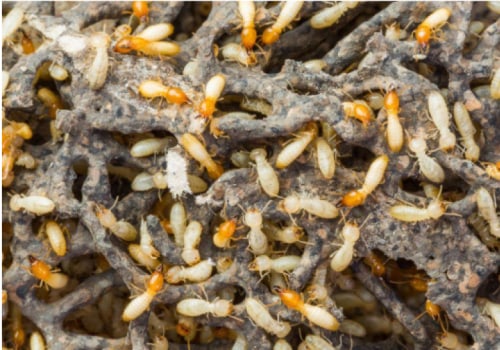
- Social Structure: Termites live in colonies that can range from a few hundred to millions of individuals. Their social structure is complex, consisting of workers, soldiers, and reproductive members (kings and queens).
- Diet: Termites primarily feed on cellulose found in wood, leaf litter, and soil.
This diet is facilitated by symbiotic microorganisms in their guts that help break down cellulose.
Termite Behaviour
- Habitat Preferences: Subterranean termites build their nests underground and require moisture to survive, while drywood termites prefer dry wood and do not need contact with the soil.
- Foraging Habits: Termites are known for their tunnelling behaviour. They create intricate tunnels to search for food sources, which can lead them into homes where they may cause structural damage.
- Reproductive Swarming: During certain seasons, reproductive termites swarm to establish new colonies. This behaviour can lead to infestations if they find suitable conditions within a home.
Do Termites Bite or Sting? Myths vs.
RealityWhen it comes to termites, many people are often concerned about their potential to bite or sting. This concern is largely rooted in myths and misconceptions surrounding these insects. To clarify, termites do not bite or sting humans or pets in the way that many other insects do.
Do Termites Bite?
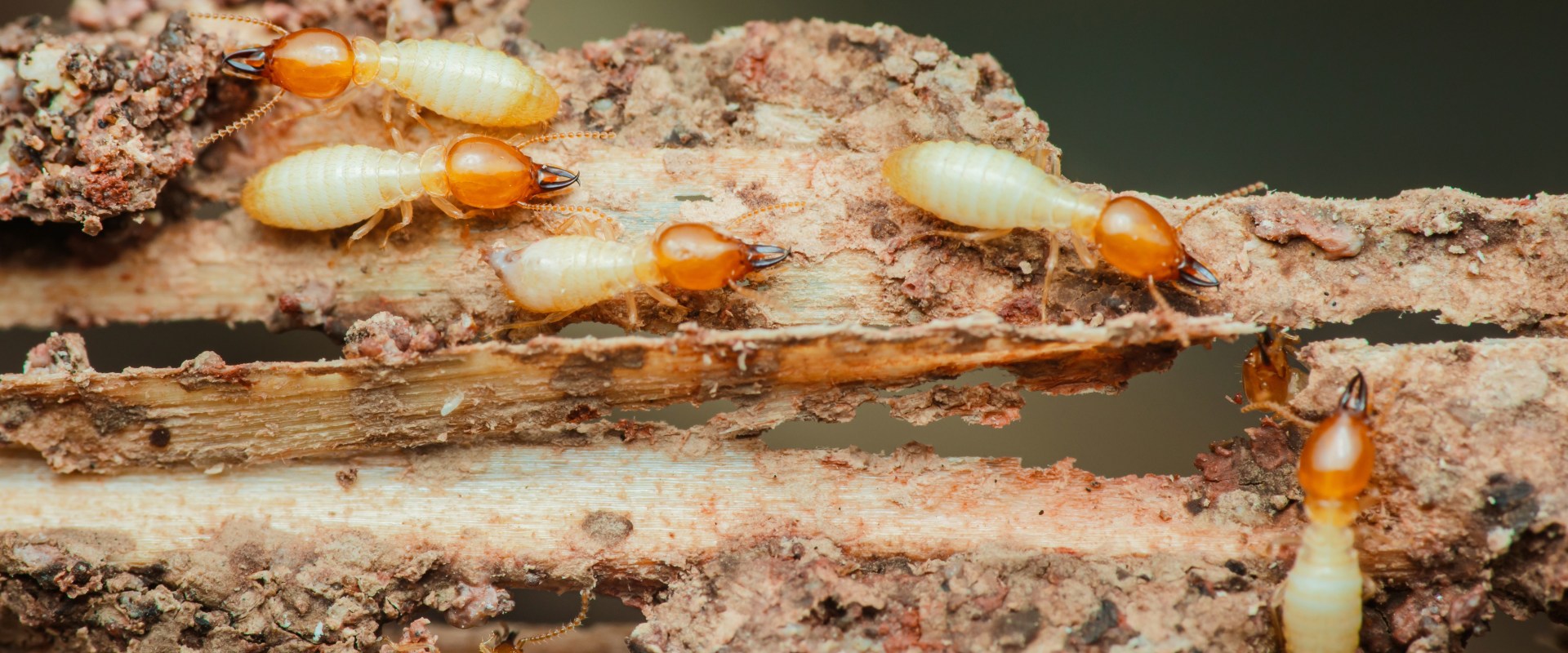
- Termites primarily feed on wood, paper, and other cellulose materials, which means their mouthparts are adapted for chewing rather than biting.
- While they can technically bite if provoked, their bites are not harmful to humans. The force of a termite's bite is insufficient to break human skin.
- In rare cases, a termite may bite if handled, but this is more of a defensive reaction than an aggressive one.
What About Termite Stings?
- Termites do not possess stingers like bees or wasps.
Therefore, the idea of a termite sting is a complete myth.
- Their primary defence mechanism is to retreat into their colonies when threatened, rather than attack.
Indirect Harm: How Termites Can Affect Your Home Environment
While termites are primarily known for their destructive feeding habits, the indirect harm they cause can be just as concerning, particularly regarding the safety and health of both humans and pets.When termites invade a home, they can lead to significant structural damage that compromises the integrity of the building.As these pests consume wood and other cellulose materials, they can weaken essential structural components such as beams, floors, and walls. This deterioration can result in:
- Increased risk of accidents: Weak structures may lead to collapses or falls, posing a direct threat to the safety of residents and pets.
- Mould growth: Termite damage often creates moisture problems, which can foster mould growth. Mould spores can trigger allergies and respiratory issues in both humans and animals.
- Pest attraction: The presence of termites can attract other pests, such as ants or rodents, which may introduce additional health risks.
This emotional strain can affect overall well-being, leading to a less healthy home environment.In summary, while termites do not directly harm humans or pets in the way that some pests do, their ability to cause structural damage can create conditions that jeopardise health and safety. Addressing a termite problem promptly is crucial not only for preserving your home but also for ensuring a safe living space for all its inhabitants.
Health Risks Associated with Termite Infestations
While termites are primarily known for their destructive impact on wooden structures, their presence can also pose health risks to humans and pets. Understanding these risks is crucial for homeowners, especially in areas prone to termite infestations.Allergies from Termites
- Termite droppings, also known as frass, can trigger allergic reactions in sensitive individuals. Symptoms may include sneezing, nasal congestion, and skin irritations.
- In some cases, exposure to termite allergens can exacerbate asthma symptoms, leading to increased respiratory issues.
Diseases Associated with Termites
Although termites are not direct carriers of diseases that affect humans, their droppings and the mould that can grow in damp environments created by infestations may lead to health complications:
- Histoplasmosis: This is a respiratory disease caused by inhaling spores from a fungus that can thrive in decaying organic matter, including termite-infested wood.
- Other Respiratory Issues: The presence of mould and dust from termite activity can contribute to chronic respiratory conditions.
Impact on Pets
Pets may also be affected by termite infestations.
Ingesting termite droppings or the mould associated with them can lead to gastrointestinal issues. Additionally, the stress of a termite infestation can affect a pet's overall well-being.To mitigate these health risks, it is essential to address any signs of termite activity promptly.
Termite removal
not only protects your property but also safeguards the health of your family and pets.Signs of Termite Infestation: What to Look For
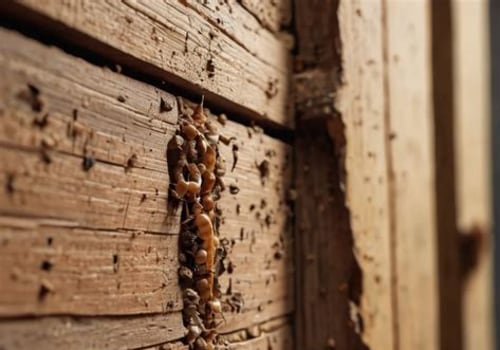
Identifying a termite infestation early is crucial for effective termite removal. Here are some key signs of termite infestation that homeowners should be vigilant about:- Wood Damage: One of the most obvious signs is damage to wooden structures.
Termites consume wood from the inside out, leaving a thin veneer on the surface. If you notice hollow-sounding wood or visible tunnels, it’s time to investigate further.
- Frass: This is the term for termite droppings, which resemble small pellets or sawdust. Finding frass near wooden areas can indicate an active infestation.
- Swarmers: During certain seasons, you may see winged termites (swarmers) around your home. These are reproductive termites looking to establish new colonies.
If you spot them indoors, it’s a clear sign of a nearby infestation.
- Mud Tubes: Subterranean termites build mud tubes to travel between their nests and food sources. These tubes are typically found on walls, foundations, or in crawl spaces. If you see these structures, it’s essential to act quickly.
- Bubbling Paint or Wallpaper: If your paint or wallpaper appears to be bubbling or peeling, it could be due to moisture from termite activity behind the walls.
If you suspect an infestation, contacting a professional for termite removal is highly recommended to prevent further damage and ensure your home remains safe.
Effective Termite Removal Strategies
When it comes to termite removal, understanding the various methods available is crucial for effectively tackling an infestation. Whether you opt for professional pest control services or consider DIY termite removal strategies, each approach has its own advantages and considerations.Professional Pest Control Options
Engaging a professional pest control service is often the most effective way to ensure complete eradication of termites. These experts typically employ a combination of the following methods:- Liquid Termiticides: These chemical barriers are applied around the foundation of your home to prevent termites from entering.
- Baiting Systems: Bait stations are strategically placed around your property, containing substances that attract termites and ultimately eliminate them.
- Fumigation: For severe infestations, tenting your home and using gas to kill termites may be necessary.
DIY Termite Removal Strategies
If you prefer a more hands-on approach, there are several DIY termite removal methods you can try. However, these may be more effective for minor infestations:- Boric Acid: This natural insecticide can be applied to affected areas.
It disrupts the digestive system of termites when ingested.
- Nematodes: Beneficial nematodes are microscopic worms that can be introduced into the soil to target and kill termites.
- Cardboard Traps: Since termites are attracted to cellulose, placing wet cardboard traps can lure them in. Once infested, you can dispose of the cardboard.
Preventing Future Infestations: Tips for Homeowners
Preventing termite infestations is crucial for maintaining a safe and healthy home environment for both humans and pets.Here are some effective termite prevention tips that homeowners can implement:
- Regular Inspections: Schedule annual inspections with a professional pest control service to identify any signs of termite activity early.
- Moisture Control: Termites thrive in damp environments. Ensure proper drainage around your home and fix any leaks in plumbing or roofing to reduce moisture levels.
- Wood Treatment: Use treated wood for construction and repairs, as it is less appealing to termites. Additionally, consider applying a protective barrier of borate to wooden structures.
- Seal Entry Points: Inspect your home for cracks and crevices, particularly around windows, doors, and the foundation. Seal these gaps with caulk or other appropriate materials to prevent termites from entering.
- Remove Wood Debris: Keep your yard tidy by removing any dead trees, stumps, or wood piles that can attract termites.
Store firewood at least 20 feet away from your home and elevate it off the ground.
- Maintain Landscaping: Ensure that soil is not piled against the foundation of your home. This can create a bridge for termites to access your property.
Frequently Asked Questions About Termites and Their Risks
When it comes to termites, many people have questions about their potential risks, especially concerning humans and pets. Here are some frequently asked questions that can help clarify these concerns.Can termites harm humans?
Termites are not known to pose a direct threat to human health.They do not bite or sting, and they do not transmit diseases like some other pests. However, the damage they cause to wooden structures can lead to significant safety hazards, such as weakened foundations or collapsed ceilings.
Are termites harmful to pets?
Generally, termites do not pose a risk to pets either. They are not toxic and do not have venom that could harm animals. However, if a pet were to ingest a large number of termites, it could lead to gastrointestinal upset, but this is quite rare.What are common myths about termites?
- Myth: Termites only eat wood.
- Fact: While wood is their primary food source, termites can also consume paper, cardboard, and other cellulose-based materials.
- Myth: All termites cause damage.
- Fact: Not all termite species are destructive; some play a vital role in the ecosystem by breaking down dead plant material.
- Myth: Termite infestations are easy to spot.
- Fact: Many infestations occur out of sight, making early detection challenging without professional help.
Early intervention can prevent extensive damage and ensure the safety of your living environment for both you and your pets.
Conclusion: Key Takeaways on Termites and Safety Concerns
In conclusion, while termites are primarily known for their destructive impact on wooden structures, their potential harm to humans and pets is often misunderstood. It is crucial to clarify that termites do not pose a direct health risk to humans or animals. They do not bite or sting, nor do they transmit diseases like some other pests. However, the presence of termites can lead to significant structural damage in homes, which can indirectly affect the safety and well-being of residents and their pets.Here are the key takeaways regarding termite removal and safety concerns:- Indirect Risks: While termites themselves are not harmful, the damage they cause can create unsafe living conditions.
For instance, weakened structures may lead to accidents, posing risks to both humans and pets.
- Allergies and Asthma: In some cases, the dust and debris from termite infestations can exacerbate allergies or asthma in sensitive individuals. Keeping your home free from termites can help maintain a healthier environment.
- Prevention is Key: Regular inspections and prompt termite removal are essential in preventing infestations. Homeowners should be proactive in safeguarding their properties against these pests.
- Professional Help: If you suspect a termite problem, it’s advisable to consult with pest control professionals who can assess the situation and provide effective treatment options.