Termites are often misunderstood creatures, primarily known for their destructive capabilities when it comes to wooden structures. However, their habits and behaviours extend beyond just wood consumption. These social insects live in colonies and are constantly foraging for food, which can lead them to invade homes in search of cellulose-rich materials. This quest for sustenance makes them a significant concern for homeowners, as they can cause extensive damage not only to the structural integrity of a house but also to various systems within it. Understanding termite behaviour is crucial in recognising the potential risks they pose.
Termites are attracted to moisture and warmth, often making basements and crawl spaces prime targets for infestation. Their ability to remain hidden while they work silently can lead to severe damage before homeowners even realise there is a problem. This stealthy nature raises questions about their impact on other household systems, particularly electrical wiring and appliances. While termites primarily feed on wood, their presence can inadvertently affect electrical systems. As they tunnel through walls and floors, they may come into contact with wiring, potentially leading to insulation damage or short circuits.
This not only poses a risk of electrical failure but also increases the likelihood of fire hazards. Therefore, understanding termite habits is essential for homeowners to take proactive measures in termite removal and protect their homes from these hidden threats.
How Termites Can Affect Electrical Wiring
Termites are notorious for their ability to cause significant damage to wooden structures, but their impact can extend beyond just timber. One of the lesser-known threats posed by these pests is their potential to damage electrical wiring within your home. Understanding how termites interact with electrical systems is crucial for homeowners looking to protect their property.Nesting Habits and Wiring Damage
Termites typically build their nests in damp, dark environments, often within walls or beneath floors.
As they tunnel through wood and other materials, they can inadvertently come into contact with electrical wiring. This contact can lead to several issues:
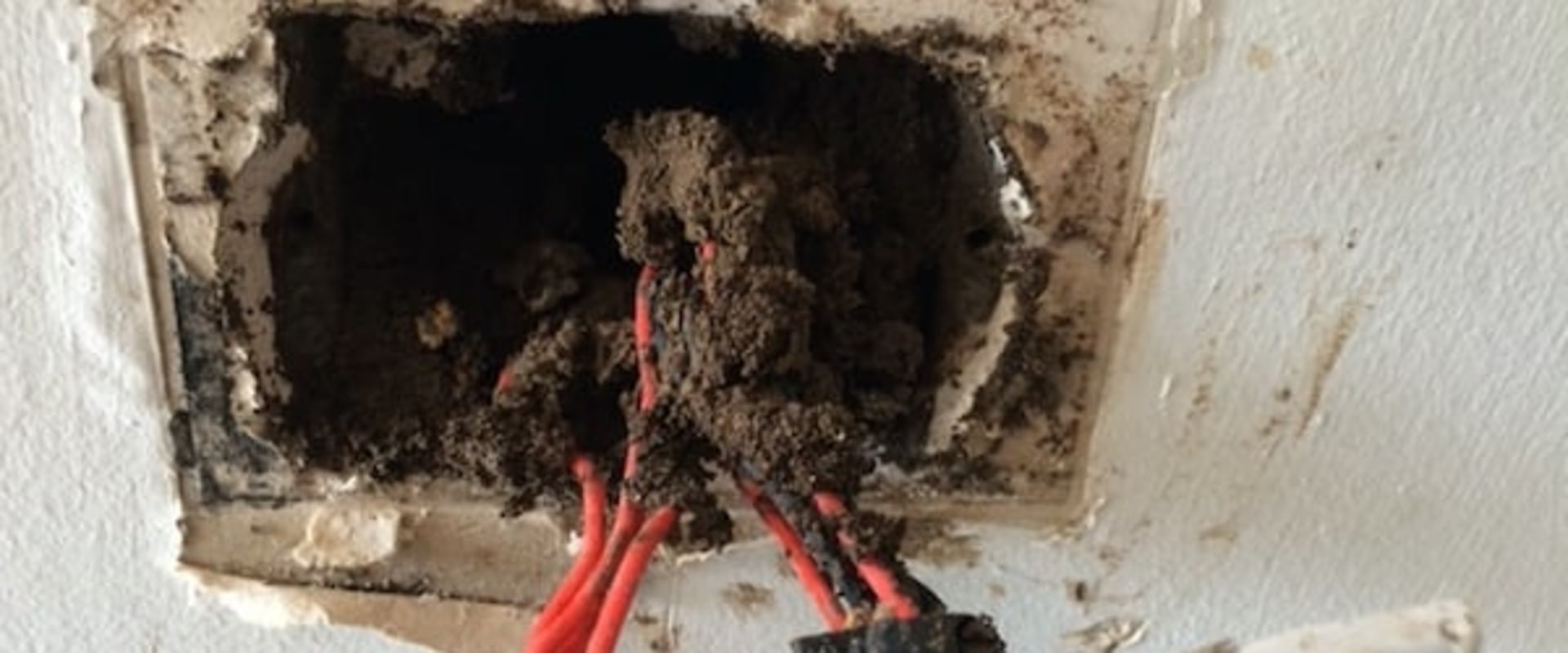
- Insulation Damage: Termites may chew through the insulation surrounding electrical wires, exposing the conductive material within. This exposure increases the risk of short circuits and electrical fires.
- Physical Disruption: The structural integrity of wiring can be compromised as termites create tunnels and galleries. This disruption can lead to loose connections or complete disconnection of wires.
- Increased Moisture: Termite infestations often lead to increased moisture levels in the affected areas, which can further exacerbate electrical issues by promoting corrosion on metal components.
Signs of Electrical Damage from Termites
Homeowners should be vigilant for signs that termites may be affecting their electrical systems.
Look for:
- Flickering lights or frequent blown fuses, which may indicate a short circuit caused by damaged wiring.
- Unusual buzzing sounds near outlets or switches, suggesting that wires are compromised.
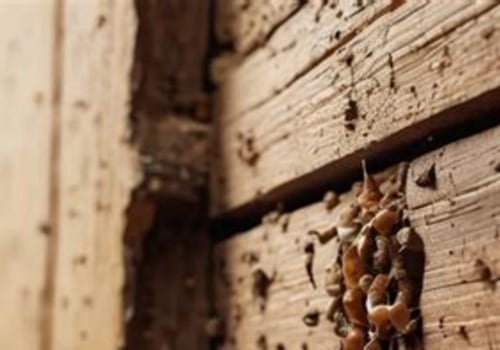
- Visible signs of termite activity, such as mud tubes or discarded wings near electrical fixtures.
Signs of Termite Infestation in Electrical Areas
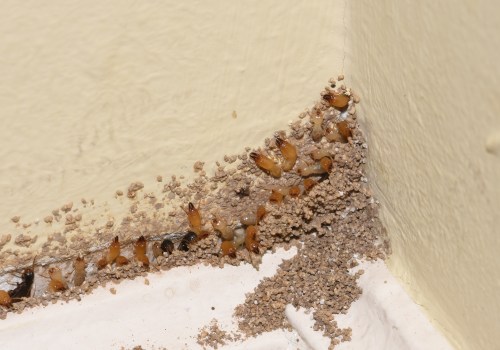
Detecting a termite infestation in areas close to your electrical systems is crucial for maintaining the safety and integrity of your home. Here are some signs of termites that you should be vigilant about:- Frass: This is the term for termite droppings, which resemble small wood pellets or sawdust. If you notice these near electrical outlets or wiring, it could indicate a nearby infestation.
- Damaged Wiring: Inspect your electrical wiring for any signs of damage.
Termites may chew through insulation, exposing wires and creating potential fire hazards.
- Hollow Sounds: When tapping on walls or around electrical fixtures, listen for hollow sounds. This can indicate that termites have been tunnelling through the wood structures that house your wiring.
- Swarmers: During certain seasons, you may notice winged termites (swarmers) near light fixtures or windows. Their presence is a strong indicator of an active colony nearby.
- Moisture Issues: Termites are attracted to moisture. If you find damp areas around electrical installations, it could be a sign of both moisture problems and potential termite activity.
Early detection can prevent significant damage and costly repairs. Consider consulting with a professional for termite removal services to ensure your home remains safe and secure.
Potential Risks of Termite Damage to Appliances
While termites are often associated with structural damage to wooden elements of a home, their impact can extend beyond just the framework.Termite damage to appliances
is a lesser-known but significant risk that homeowners should be aware of.Termites primarily feed on cellulose, which is found in wood, paper, and some types of insulation. However, they can also cause indirect damage to household appliances through their tunnelling activities.Here are some potential risks:
- Electrical Wiring: Termites can chew through insulation on electrical wires, leading to exposed wiring. This not only poses a fire hazard but can also result in short circuits that may damage appliances connected to the affected wiring.
- Appliance Bases: Many appliances, such as refrigerators and washing machines, have wooden bases or frames. If termites infest these areas, they can compromise the structural integrity of the appliance, leading to potential malfunctions or breakdowns.
- Moisture Issues: Termite infestations often lead to moisture accumulation due to their tunnelling and nesting behaviours. This excess moisture can affect electrical components within appliances, increasing the risk of corrosion and electrical failures.
Appliances that are compromised may not function efficiently, leading to increased energy consumption and higher utility bills.To mitigate these risks, it is crucial for homeowners to conduct regular inspections for signs of termite activity and seek termite removal services promptly if an infestation is detected. Early intervention can save not only your appliances but also your home from extensive damage.
Preventing Termite Infestations in Your Home
Preventing termite infestations is crucial for maintaining the integrity of your home, especially when it comes to protecting your electrical wiring and appliances. Here are some effective termite prevention tips that can help safeguard your property:- Regular Inspections: Schedule annual inspections with a pest control professional to identify any signs of termite activity early. This proactive approach can save you from extensive damage.
- Moisture Control: Termites thrive in damp environments.
Ensure that your home has proper drainage and that gutters are clear of debris. Fix any leaks in plumbing or roofing to reduce moisture levels.
- Seal Entry Points: Inspect your home for cracks and crevices, particularly around windows, doors, and the foundation. Use caulk or weather stripping to seal these gaps, preventing termites from entering.
- Wood Treatment: Consider using treated wood for any construction or repairs. This type of wood is less appealing to termites and can provide an additional layer of protection.
- Remove Wood Debris: Keep your yard tidy by removing any dead trees, stumps, or wood piles.
These materials can attract termites and provide them with a food source close to your home.
- Limit Soil-to-Wood Contact: Ensure that wooden structures, such as decks and fences, are not in direct contact with the soil. Use concrete or metal supports to create a barrier between wood and soil.
Effective Termite Removal Strategies
When it comes to termite removal, understanding the various methods available is crucial for effectively tackling an infestation.Whether you prefer a DIY approach or need to call in the professionals, timely action can save your home from significant damage.
DIY Termite Removal Methods
For minor infestations, several DIY termite removal strategies can be effective:- Boric Acid: This natural insecticide can be applied to areas where termites are active. It disrupts their digestive systems and is particularly effective against subterranean termites.
- Orange Oil: Containing d-limonene, orange oil can kill termites on contact. It’s a more eco-friendly option and can be used in conjunction with other methods.
- Cardboard Traps: Since termites are attracted to cellulose, placing wet cardboard traps near infested areas can lure them out. Once they gather, you can dispose of the cardboard to eliminate them.
When to Call Professionals
If the infestation is extensive or if you’re unsure about handling it yourself, it’s wise to seek professional help.Professional termite removal services employ advanced techniques and tools that are often more effective than DIY methods. They can conduct thorough inspections and provide treatments such as:
- Liquid Termiticides: These create a barrier around your home, preventing termites from entering.
- Baiting Systems: These involve placing bait stations around your property that attract and eliminate termites over time.
- Fumigation: For severe infestations, tenting your home and using gas fumigants may be necessary to eradicate all termites.
FAQs About Termites and Electrical Damage
When it comes to termite removal, many homeowners are concerned about the potential damage these pests can inflict on their property, particularly regarding electrical wiring and appliances.Here are some frequently asked questions that can help clarify these concerns.
Do termites damage wiring?
While termites are primarily known for their appetite for wood, they can also cause damage to electrical wiring. Termites do not eat the plastic or rubber insulation around wires, but they can chew through the materials that house the wiring, leading to exposed wires. This exposure can create a fire hazard and may result in electrical shorts or outages.Can termites affect appliances?
Termites typically do not target appliances directly; however, if they have compromised the structural integrity of your home or damaged wiring connected to these appliances, it could lead to malfunctions. For instance, if a termite infestation has caused significant damage to the walls or floors where appliances are installed, this could indirectly affect their operation.What should I do if I suspect termite damage?
- Inspect your home: Look for signs of termite activity, such as mud tubes, discarded wings, or hollow-sounding wood.
- Check electrical systems: If you notice flickering lights or tripped circuit breakers, it may be worth having an electrician assess any potential damage.
- Contact professionals: If you suspect a termite infestation, it’s crucial to contact a pest control expert for a thorough inspection and effective termite removal.
By addressing any signs of infestation promptly and seeking professional help, you can mitigate risks associated with termite damage.
Conclusion: Safeguarding Your Home from Termite Damage
In conclusion, understanding the potential risks associated with termite infestations is crucial for every homeowner. While termites are primarily known for their destructive impact on wooden structures, their ability to cause damage to electrical wiring and appliances should not be underestimated. As we have discussed, the moisture and debris left by termites can create an environment conducive to electrical hazards.To effectively safeguard your home from termite damage, it is essential to adopt a proactive approach:- Regular Inspections: Schedule routine inspections of your property, especially in areas prone to moisture, such as basements and crawl spaces. Early detection can prevent extensive damage.
- Moisture Control: Address any leaks or standing water around your home.
Termites thrive in damp conditions, so maintaining a dry environment is key.
- Proper Sealing: Seal any cracks or openings in your home’s foundation and walls. This will help deter termites from entering your living space.
- Professional Termite Removal: If you suspect an infestation, it is vital to contact a professional for termite removal. Experts can assess the situation and implement effective treatment plans.
Stay vigilant and proactive to ensure a safe and secure living environment.