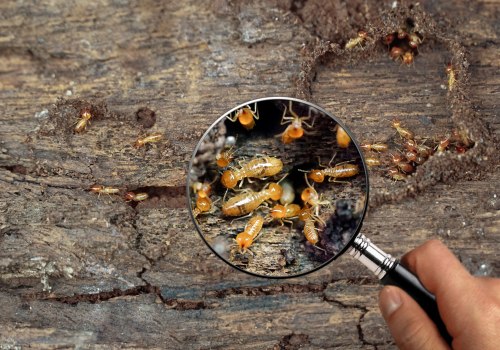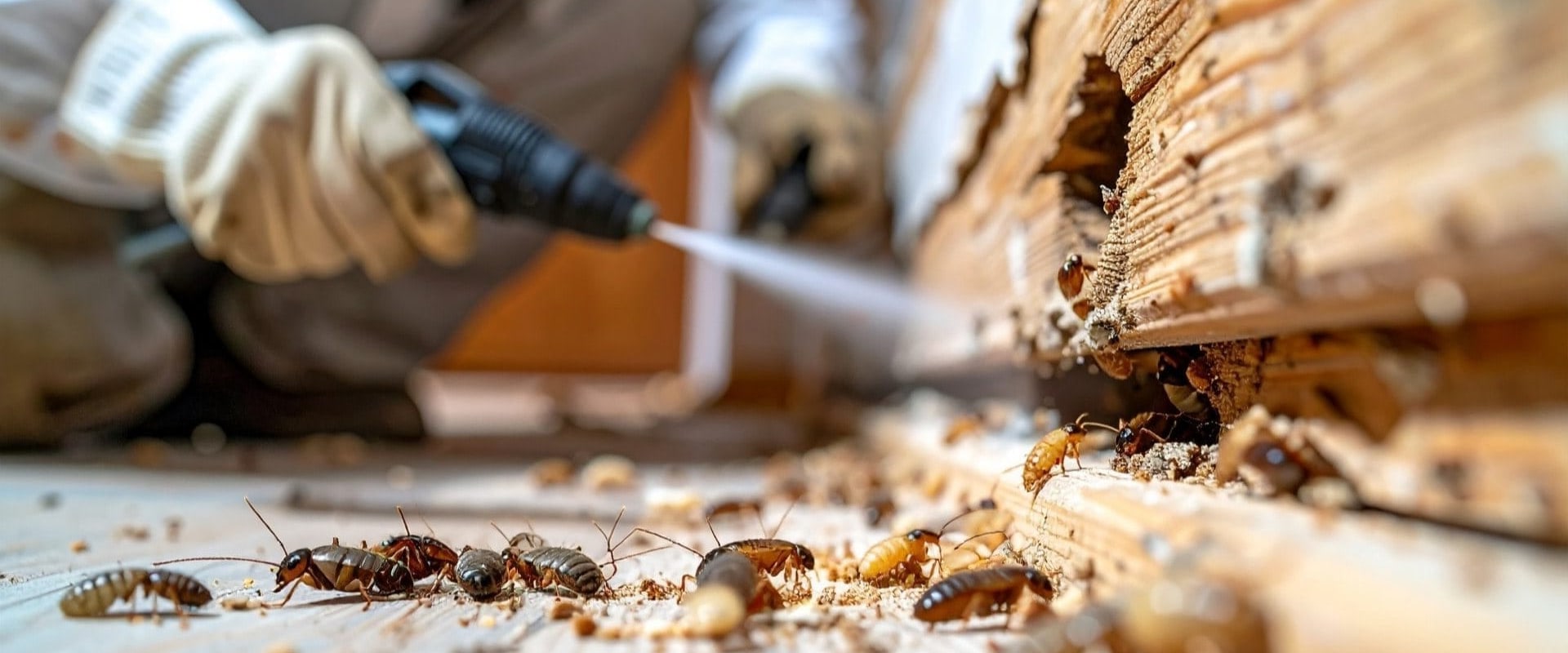
Termite removal is a critical process for homeowners, as these pests can cause significant structural damage if left unchecked. Understanding how long termite removal takes is essential for anyone facing an infestation. The duration of termite treatment can vary widely based on several factors, including the extent of the infestation, the type of treatment used, and the specific circumstances of the property. Many homeowners express concern about the time commitment involved in termite removal. This concern is valid, as the longer termites are allowed to thrive, the more extensive the damage can become.
Typically, treatments can range from a few hours to several days, depending on whether a chemical barrier is applied or if baiting systems are installed. Additionally, some methods may require follow-up treatments, which can extend the overall timeline. It’s important to consult with a professional pest control service to get a clearer picture of what to expect. They can provide tailored advice based on your specific situation and help you understand the duration of termite treatment in relation to your home’s needs. By addressing these concerns early on, homeowners can take proactive steps to protect their properties and ensure a thorough and effective removal process.
Factors Influencing Termite Removal Time
Understanding the factors influencing termite removal time is crucial for homeowners facing a termite infestation.The duration of the removal process can vary significantly based on several key elements.
Severity of the Infestation
The severity of the infestation is one of the primary factors that dictate how long termite removal will take. A minor infestation, where only a few termites are present, may be resolved in a matter of hours. In contrast, a severe infestation, where extensive damage has occurred and large colonies are established, can take several days or even weeks to fully eradicate.Type of Treatment Used
The treatment methods employed also play a significant role in determining the length of the removal process. Common methods include:- Liquid treatments: These involve applying insecticides to the soil around the property and can take a few hours to a couple of days to complete.
- Baiting systems: These require more time as they involve placing bait stations around the property and monitoring them over several weeks to ensure all termites are eliminated.
- Fumigation: This method is often used for severe infestations and can take 1-3 days, including preparation and post-treatment ventilation.
Property Size and Structure
The size and structure of the property also influence removal time.Larger homes or those with complex designs may require more extensive treatment, leading to longer durations. Additionally, accessibility issues can complicate the process, particularly in areas that are difficult to reach. In summary, when considering termite removal, it is essential to evaluate these factors carefully. Homeowners should consult with pest control professionals to get a tailored estimate based on their specific situation, ensuring an effective and timely resolution to their termite problems.
Common Termite Removal Methods and Their Timelines
When it comes to termite removal, understanding the various methods available and their respective timelines is crucial for homeowners facing an infestation. Each method has its own advantages and timeframes, which can significantly influence your decision on how to proceed.Chemical Treatments
Chemical treatments are one of the most common methods for termite removal.This approach typically involves applying liquid insecticides to the soil around the foundation of a home or directly into the wood. The timeline for chemical treatments can vary:
- Initial Treatment: Usually completed within a day.
- Follow-Up: A follow-up inspection is recommended after 30 days to assess effectiveness.
Baiting Systems
Baiting systems involve placing bait stations around the property that contain slow-acting insecticides. This method allows termites to consume the bait and return it to their colony, effectively eliminating it from within. The timeline for this method is generally longer:- Installation: Bait stations are installed in a single day.
- Monitoring: Regular monitoring is required, with results typically visible in 3 to 6 months.
Heat Treatments
Heat treatments involve raising the temperature of infested areas to a level that is lethal to termites.This method is effective and can be completed relatively quickly:
- Treatment Duration: Usually takes about 8 hours for an entire home.
- Immediate Results: Homeowners can often return to their property the same day.
The Termite Removal Process: Step-by-Step Breakdown
Understanding the termite removal process is crucial for homeowners facing a termite infestation. The treatment typically involves several key steps, each designed to effectively eliminate these pests and prevent future infestations.- Inspection: The first step in the termite removal process is a thorough inspection of the property. A qualified pest control technician will assess the extent of the infestation, identifying active colonies and potential entry points.
This step usually takes about 1 to 2 hours, depending on the size of the property.
- Treatment Plan Development: After the inspection, the technician will develop a tailored treatment plan. This plan may include various methods such as liquid treatments, bait systems, or fumigation. This planning phase can take an additional hour or two, as it requires careful consideration of the specific situation.
- Implementation: The actual treatment process can vary significantly in duration based on the chosen method. For instance, liquid treatments may take a few hours to apply, while bait systems require ongoing monitoring and can take several weeks to show results.
Fumigation, on the other hand, typically lasts 1 to 3 days, during which time residents must vacate the premises.
- Post-Treatment Monitoring: Once treatment is complete, it’s essential to monitor the area for any signs of returning termites. This phase can last several months and may involve follow-up inspections every few months to ensure that the treatment was effective.
Post-Treatment: What Happens After Termite Removal?
After the termite removal process is complete, it is crucial for homeowners to take proactive steps to ensure that their property remains free from these destructive pests. Here are some essential post-treatment care tips:- Monitor for Signs of Termites: Regularly inspect your home for any signs of termite activity.
Look for mud tubes, discarded wings, or hollow-sounding wood. Early detection can prevent a full-blown infestation.
- Conduct Follow-Up Inspections: Schedule follow-up inspections with your pest control professional. They can provide expert advice and check for any signs of returning termites.
- Maintain a Dry Environment: Termites thrive in moist conditions. Ensure that your home is well-ventilated and fix any leaks promptly.
Use dehumidifiers in damp areas like basements.
- Seal Entry Points: Inspect your home’s exterior for cracks and gaps. Seal any openings around pipes, windows, and doors to prevent termites from entering.
- Store Wood Properly: Keep firewood and other wooden materials at least 20 feet away from your home and off the ground. This reduces the risk of termites finding their way into your property.
Frequently Asked Questions About Termite Removal Duration
When it comes to termite removal, many homeowners have questions about the duration of the process.Here, we address some of the most frequently asked questions regarding how long termite removal typically takes.
How long does termite removal take?
The duration of termite removal can vary significantly based on several factors, including the extent of the infestation, the type of treatment used, and the size of your property. Generally, most treatments can be completed within a few hours to a couple of days. For instance, liquid treatments may take just a few hours, while baiting systems might require several weeks to effectively eliminate the colony.Is termite removal immediate?
While some methods may show results relatively quickly, termite removal is not always immediate. For example, liquid treatments can kill termites on contact, but it may take time for the entire colony to be eradicated, especially with baiting systems that rely on termites consuming the bait and returning it to their nest.Therefore, while you may notice a reduction in activity soon after treatment, complete elimination can take longer.
Can I stay in my home during treatment?
In most cases, homeowners can remain in their homes during termite removal. However, this largely depends on the type of treatment being used. For example:- Liquid treatments: These are generally safe for occupants, but it’s advisable to stay away from treated areas until they have dried.
- Baiting systems: These are non-invasive and allow you to continue living in your home without disruption.
- Fumigation: This method requires vacating the premises for a few days as it involves sealing the home and using gas to eliminate termites.
Conclusion: Key Takeaways on Termite Removal Duration
In summary, understanding the duration of termite removal is crucial for homeowners facing a potential infestation. The time it takes to effectively eliminate termites can vary significantly based on several factors, including the extent of the infestation, the type of treatment used, and the specific circumstances of your property. Typically, termite removal can take anywhere from a few hours to several days.For instance:
- Initial Inspection: This phase usually lasts 1-2 hours, where professionals assess the damage and identify the type of termites present.
- Treatment Application: Depending on the method chosen—whether it’s liquid treatments, bait systems, or fumigation—the application can take from a few hours to a couple of days.
- Follow-Up Monitoring: After treatment, ongoing monitoring may be necessary, which can extend over weeks or months to ensure that the termites have been completely eradicated.