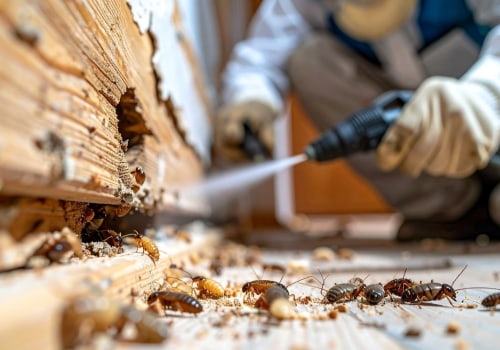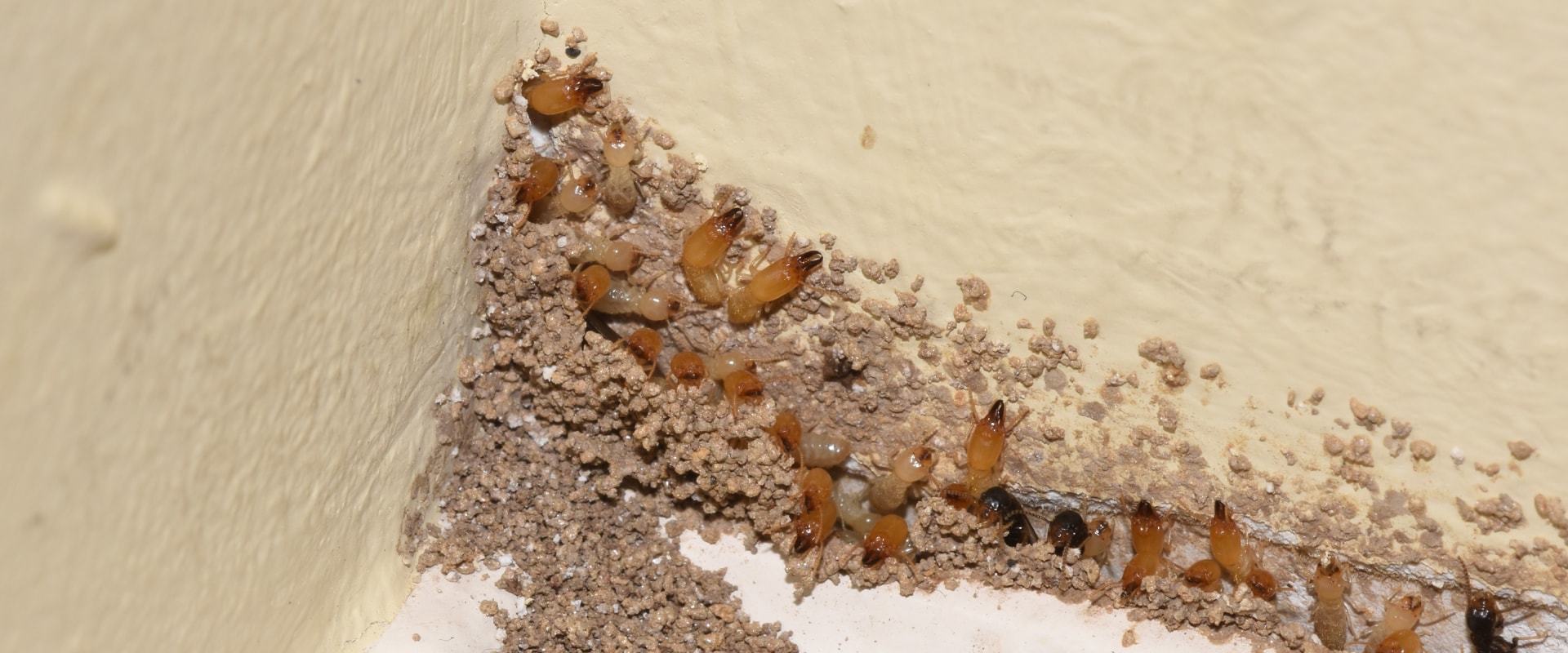
Termites are small, wood-eating insects that can cause significant damage to homes if left unchecked. These pests thrive in warm, moist environments and are often found in areas with abundant wood sources, making residential properties particularly vulnerable. Understanding the behaviour of termites is essential for homeowners, as their presence can lead to severe structural damage that may not be immediately visible. The longer termites go undetected, the more extensive the damage can become, leading to costly repairs and potential safety hazards. One of the most alarming aspects of termite infestations is their ability to silently consume wood from the inside out.
This means that by the time you notice signs of their presence, such as mud tubes or discarded wings, the damage may already be significant.
Termite damage
can compromise the integrity of your home’s foundation, walls, and even furniture, making it crucial to act swiftly at the first sign of trouble. Regular inspections and awareness of potential warning signs can save homeowners from the financial burden associated with extensive repairs. The importance of termite removal cannot be overstated. Not only does it protect your property from further damage, but it also ensures a safe living environment for you and your family.By understanding what termites are and how they operate, you empower yourself to take proactive measures against these destructive pests. In the following sections, we will explore specific warning signs that indicate a termite infestation and discuss effective strategies for removal and prevention.
Common Warning Signs of Termite Infestation
Identifying a termite infestation early can save homeowners significant time and money. Here are some common warning signs that may indicate the presence of these destructive pests:- Mud Tubes: Termites often build mud tubes to protect themselves while travelling between their nest and food sources. These tubes are typically found along walls, foundations, or in crawl spaces.
If you notice these structures, it’s a clear sign that termites are nearby.
- Discarded Wings: During the swarming season, termites shed their wings after mating. Finding small, translucent wings around windowsills or doors is a strong indicator of an infestation.
- Hollow-Sounding Wood: If you tap on wooden structures and hear a hollow sound, it may suggest that termites have been eating away at the wood from the inside. This can be particularly concerning in beams, floorboards, and furniture.
- Frass: Termite droppings, known as frass, resemble small pellets and can often be found near infested wood. This is a sign that termites are actively feeding in your home.
- Bubbling or Peeling Paint: If you notice paint that appears to be bubbling or peeling, it could be due to moisture from termite activity beneath the surface.
Termite removal should be your priority to prevent further damage to your property. Consulting with a pest control professional can provide you with the necessary steps to address the issue effectively.
Types of Termites and Their Specific Signs
Understanding the different types of termites is crucial for homeowners looking to protect their properties. The two most common types are drywood termites and subterranean termites, each with distinct signs that indicate their presence.Drywood Termites
Drywood termites typically infest dry, undecayed wood and can be found in furniture, structural beams, and even wooden flooring. Here are some specific signs to look out for:- Frass: This is a fine, powdery droppings that resemble sawdust.
If you notice small piles of frass beneath wooden structures, it may indicate an infestation.
- Wood Damage: Look for hollowed-out wood or areas that sound hollow when tapped. This is a clear sign that drywood termites are consuming the wood.
- Swarmers: During certain seasons, drywood termites produce winged reproductive individuals that leave the colony to mate and establish new colonies. Finding discarded wings near windowsills or light fixtures can be a warning sign.
Subterranean Termites
Subterranean termites are more common and typically build their colonies underground. They often enter homes through cracks in the foundation or wood-to-soil contact.Key indicators of their presence include:
- Tunnels: Look for mud tubes on walls or foundations. These tubes are used by subterranean termites to travel between their colony and food sources.
- Swarms: Similar to drywood termites, subterranean termites also produce swarmers. If you see winged insects emerging from the soil or around your home, it’s time to investigate further.
- Damaged Wood: Check for soft, damaged wood that can be easily punctured with a screwdriver. This is a sign that subterranean termites have been feeding on it.
Early detection can significantly aid in effective termite removal, preventing extensive damage to your property.
The Importance of Regular Inspections
Regular inspections for termites are crucial in safeguarding your home from potential damage. These pests can silently wreak havoc, often going unnoticed until significant harm has been done. By scheduling routine inspections, homeowners can catch any signs of infestation early, allowing for timely termite removal and minimising repair costs.Benefits of Regular Inspections
- Early Detection: Regular inspections help identify termite activity before it escalates into a full-blown infestation.
- Cost-Effective: Addressing termite issues early can save homeowners thousands in repair costs.
- Peace of Mind: Knowing that your home is regularly checked for termites provides reassurance and reduces anxiety about potential damage.
- Informed Decisions: Inspections provide valuable information about the condition of your property, helping you make informed decisions regarding maintenance and pest control.
How Often to Inspect for Termites
The frequency of termite inspections can depend on various factors, including the age of your home, its location, and previous pest issues. However, it is generally recommended that homeowners conduct a thorough inspection at least once a year.
In areas prone to termite activity or if your home has a history of infestations, bi-annual inspections may be advisable.In addition to professional inspections, homeowners should also perform their own visual checks. Look for signs such as mud tubes, discarded wings, or hollow-sounding wood. If you notice any of these warning signs, it’s essential to contact a pest control professional immediately for further evaluation and potential termite removal.
What to Do If You Suspect a Termite Infestation
If you suspect a termite infestation in your home, it’s crucial to act swiftly to mitigate potential damage. Here are some actionable steps you can take:- Identify the Signs: Look for common indicators of termite presence, such as:
- Wood Damage: Check for hollowed-out wood or mud tubes along walls and foundations.
- Sawdust: Find small piles of wood shavings, which may indicate termite activity.
- Swarmers: Be on the lookout for winged insects, especially during spring.
- Conduct a Thorough Inspection: Examine your home’s structure, including basements, attics, and crawl spaces. Pay special attention to wooden structures and areas with moisture.
- Document Your Findings: Take notes and photographs of any signs of termites. This information will be valuable when discussing the situation with pest control professionals.
They can provide expert advice and treatment options tailored to your situation. When reaching out, consider asking the following questions:
- What methods do you use for termite removal?
- How long will the treatment take?
- What preventative measures do you recommend?
- Baiting Systems: These involve placing bait stations around your property to attract and eliminate termites.
- Chemical Treatments: Liquid insecticides can be applied to the soil around your home to create a barrier against termites.
FAQs About Termite Infestations and Removal
Homeowners often have numerous questions regarding termite infestations and the subsequent termite removal process. Here are some of the most frequently asked questions:What are the signs of a termite infestation?
Identifying a termite problem early can save you significant time and money.Look for the following signs:
- Wood damage: Hollowed-out wood or wood that sounds hollow when tapped can indicate termite activity.
- Frass: This is the term for termite droppings, which resemble small pellets and can often be found near infested wood.
- Swarmers: Winged termites, or swarmers, may appear in your home during certain seasons, indicating a nearby colony.
- Tubing: Mud tubes on exterior walls or foundations are a common sign of subterranean termites.
How can I prevent termites from entering my home?
Prevention is key to avoiding costly termite removal. Here are some effective strategies:- Reduce moisture: Ensure proper drainage around your home and fix any leaks to deter termites.
- Seal entry points: Inspect and seal cracks in your foundation, walls, and around windows and doors.
- Store firewood properly: Keep firewood at least 20 feet away from your home and elevated off the ground.
What should I do if I suspect a termite infestation?
If you notice any signs of termites, it’s crucial to act quickly. Here’s what you should do:- Contact a professional: Reach out to a pest control expert who can assess the situation and recommend appropriate treatment options.
- Avoid DIY treatments: While there are many home remedies available, they may not effectively eliminate the problem.
- Schedule regular inspections: Regular pest inspections can help catch infestations early before they escalate.
Conclusion: Protecting Your Home from Termites
In conclusion, safeguarding your home from termite infestations is crucial for maintaining its structural integrity and value. Throughout this article, we have explored various warning signs that indicate the presence of termites, such as mud tubes, discarded wings, and hollow-sounding wood.Recognising these signs early can make a significant difference in preventing extensive damage. It is essential to remain vigilant and conduct regular inspections of your property, especially in areas prone to moisture and wood decay. If you notice any of the aforementioned signs, it is advisable to seek professional termite removal services promptly. These experts can assess the situation accurately and implement effective treatment options to eliminate the infestation.
Moreover, taking proactive measures can greatly reduce the risk of termite problems. Here are some tips to help protect your home:
- Maintain proper drainage: Ensure that water drains away from your foundation to prevent moisture accumulation.
- Seal entry points: Inspect and seal any cracks or gaps in your home’s exterior to deter termites from entering.
- Store firewood properly: Keep firewood at least 20 feet away from your home and elevate it off the ground.
- Regular inspections: Schedule annual pest control inspections to catch any potential issues early.