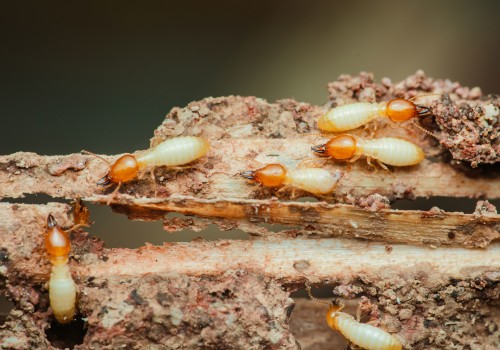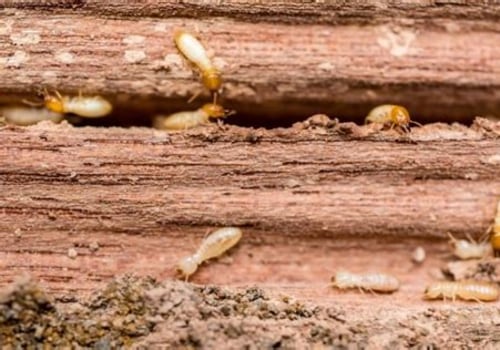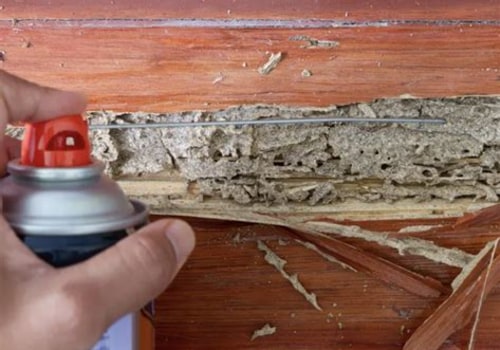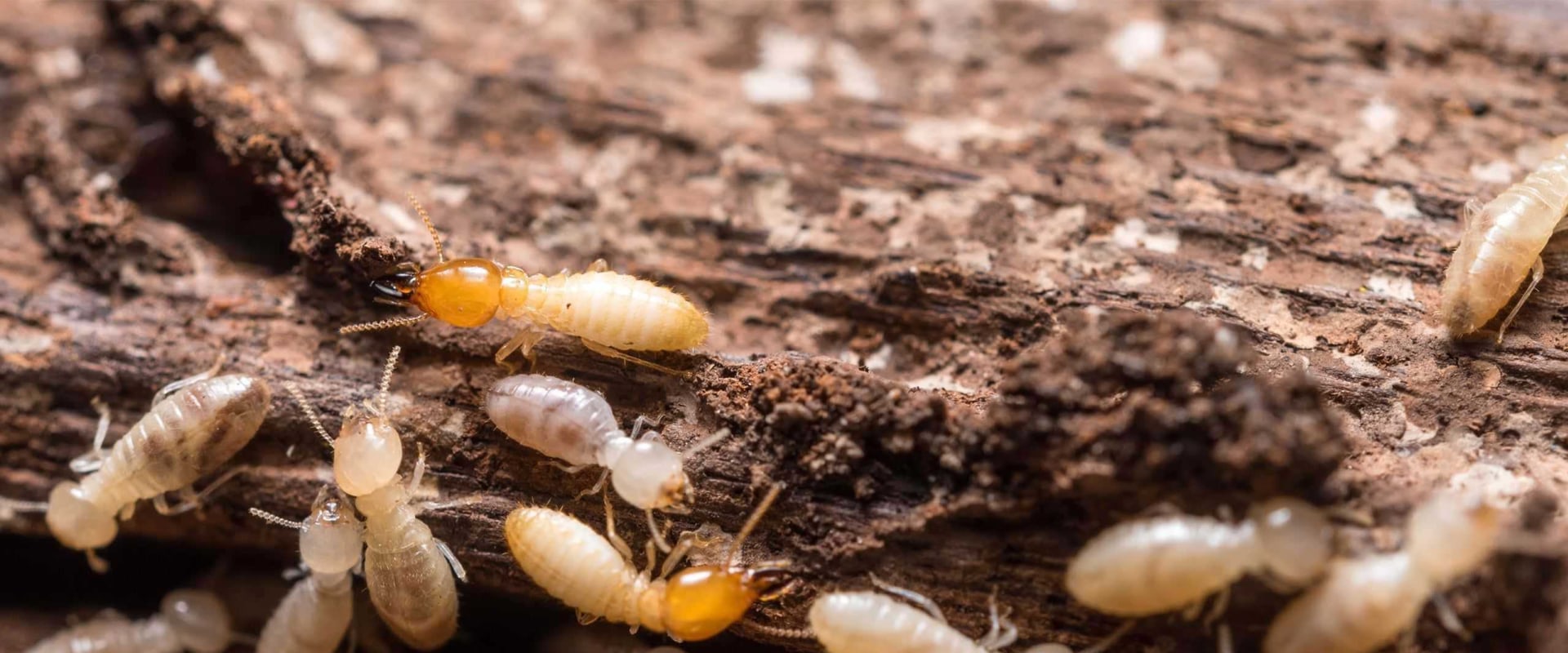
Termites are often referred to as the "silent destroyers" of the insect world, and for good reason. These small, wood-eating pests can cause significant damage to homes and structures if left unchecked. Understanding what termites are and the different types that may invade your property is crucial for effective termite removal. By identifying the specific species, homeowners can take targeted action to mitigate the risks associated with these destructive insects. There are several types of termites, each with unique behaviours and habitats.
The most common include subterranean termites, which live underground and are notorious for their ability to tunnel through soil to reach wooden structures.
Drywood termites
, on the other hand, infest dry wood and do not require contact with soil, making them particularly challenging to detect. Lastly, formosan termites, a highly aggressive species, can cause extensive damage in a short period. Recognising these differences is essential for homeowners who want to protect their investments. Identifying the type of termite in your home is not just about understanding their biology; it’s about safeguarding your property from potential devastation.Early detection and proper identification can lead to more effective treatment options, ensuring that your home remains safe and sound. In the following sections, we will delve deeper into how you can spot signs of termite infestation and what steps you should take for successful termite removal.
Common Types of Termites Found in Homes
Identifying the type of termites in your home is crucial for effective termite removal. There are three primary types of termites that commonly infest residential properties: drywood termites, subterranean termites, and dampwood termites. Each type has distinct characteristics and behaviours that can help you determine the best course of action for eradication.Drywood Termites
Drywood termites are known for their ability to live in dry wood, making them a common threat in homes with wooden structures.They do not require contact with soil, which allows them to infest furniture, beams, and even wooden flooring. Signs of a drywood termite infestation include:
- Frass: Small pellets resembling sawdust, often found near infested wood.
- Swarmers: Winged adults that emerge during mating season, typically in late summer.
- Hollowed wood: Tapping on infested wood may produce a hollow sound.
Subterranean Termites
Subterranean termites are the most destructive type of termite and are found underground. They build mud tubes to travel between their nests and food sources, which can include the wooden structures of your home. Key indicators of a subterranean termite infestation include:- Mud tubes: These pencil-sized tunnels are often found along foundations or walls.
- Swarms: Similar to drywood termites, they also produce winged swarmers during specific seasons.
- Damaged wood: Wood that appears blistered or has visible tunnels may indicate an infestation.
Dampwood Termites
Dampwood termites prefer moist wood and are typically found in areas with high humidity.They are less common in homes but can still pose a risk if there is water damage or excessive moisture. Signs of dampwood termite activity include:
- Moisture damage: Look for areas with water stains or decay.
- Frass: Similar to drywood termites, they also produce droppings that resemble pellets.
- Presence of swarmer wings: These may be found near sources of moisture.
Signs of Termite Infestation
Identifying a termite infestation early is crucial for effective termite removal. Homeowners should be vigilant for several signs that indicate the presence of these destructive pests.- Wood Damage: One of the most telling signs of a termite infestation is damage to wooden structures.
Look for hollowed-out wood, which may sound hollow when tapped. Termites consume wood from the inside out, leaving a thin veneer on the surface.
- Frass: Termite droppings, known as frass, resemble small pellets or sawdust. If you notice these tiny droppings near wooden structures or in areas where wood meets soil, it’s a strong indicator of an infestation.
- Swarmers: During certain seasons, particularly in spring, you may observe winged termites (swarmers) around your home. These are reproductive termites that leave their colonies to establish new ones.
Finding discarded wings near windowsills or light fixtures can also signal an infestation.
- Bubbling or Peeling Paint: If you notice paint that appears to be bubbling or peeling, it could be a sign of moisture caused by termite activity. This damage often occurs when termites create tunnels within walls.
- Mud Tubes: Subterranean termites build mud tubes to travel between their nests and food sources. These tubes are typically found on walls, foundations, or in crawl spaces and are about the width of a pencil.
Regular inspections and maintenance can help prevent infestations before they become severe.
How to Identify the Type of Termites in Your Home
Identifying the type of termites in your home is crucial for effective termite removal. Different species exhibit distinct physical characteristics and behaviours, which can help you determine the best course of action. Here’s a step-by-step guide to assist you in identifying these pests.1.Observe Physical Characteristics
- Subterranean Termites: These termites are typically light brown to black and have a soft body. They measure about 1/4 to 1/2 inch long.
Look for their distinctive straight antennae and a broad waist.
- Drywood Termites: Usually larger than subterranean termites, drywood termites range from 1/2 to 5/8 inch in length. They have a more robust body, with a reddish-brown colour and oval-shaped heads.
- Dampwood Termites: These termites are similar in size to drywood termites but prefer moist wood. They are generally yellowish-brown and have long, straight wings.
2.Check for Signs of Infestation
Look for signs that indicate the presence of termites:- Frass: This is termite droppings, which resemble small pellets or sawdust. Finding frass near wooden structures can indicate drywood termite activity.
- Shelter Tubes: Subterranean termites build mud tubes to protect themselves while travelling between their colony and food sources.
These tubes can often be found on walls or foundations.
- Damaged Wood: Inspect wooden structures for hollowed-out areas or soft spots, which may suggest termite feeding.
3.Behavioural Patterns
Understanding the behaviour of different termite species can also aid in identification:- Subterranean Termites: They are social insects that live in colonies underground and are often found near moisture sources.
- Drywood Termites: These termites do not require contact with soil and can infest dry wood, making them more challenging to detect until significant damage occurs.
- Dampwood Termites: As their name suggests, they thrive in damp environments and are often found in decaying wood.
DIY Methods for Identifying Termites
Identifying termites in your home can be a daunting task, but there are several DIY methods that can help you detect these pests before they cause significant damage. Here are some effective techniques to check for termites yourself:- Visual Inspection: Start by examining areas where wood meets soil, such as foundations, decks, and wooden structures. Look for signs of mud tubes, which are used by termites to travel between their nests and food sources.
- Check for Wood Damage: Tap on wooden surfaces with a screwdriver or a similar tool. If the wood sounds hollow or crumbles easily, it may indicate termite activity.
Pay special attention to areas that are damp or have poor ventilation.
- Look for Droppings: Termite droppings, also known as frass, resemble small pellets and can often be found near infested wood. These droppings are typically dark in colour and may indicate an active infestation.
- Use a Moisture Meter: Termites thrive in moist environments. A moisture meter can help you identify areas with high humidity levels, which may attract termites. Focus on basements, crawl spaces, and around plumbing fixtures.
- Listen for Sounds: In some cases, you may hear a faint clicking sound coming from within the walls.
This noise is produced by worker termites as they communicate with each other. If you suspect termite activity, try to listen closely in quiet areas of your home.
When to Call a Professional for Termite Identification and Removal
Identifying the presence of termites in your home is crucial, but knowing when to call a professional for termite removal can be just as important.While some homeowners may attempt to tackle the issue themselves, there are specific situations where expert intervention is necessary.
Signs You Should Call a Professional:
- Extensive Damage: If you notice significant structural damage or extensive wood destruction, it’s time to contact a pest control expert. Professionals can assess the situation accurately and provide effective solutions.
- Uncertain Identification: If you’re unsure whether the insects in your home are indeed termites, a professional can conduct a thorough inspection. Misidentifying pests can lead to ineffective treatments.
- Recurring Infestations: If you’ve previously dealt with termites and they’ve returned, it’s essential to call in experts. They can identify the source of the problem and implement long-term solutions.
- Health Concerns: Some termite treatments involve chemicals that may pose health risks.
Professionals are trained to handle these substances safely, ensuring your home remains safe for you and your family.
The Benefits of Professional Termite Inspection Services:
- Expertise: Pest control professionals have the training and experience to identify different types of termites and their behaviour, which is crucial for effective treatment.
- Advanced Tools: Professionals use specialised equipment that allows for a more thorough inspection and treatment process than most homeowners can achieve on their own.
- Long-Term Solutions: Rather than just addressing the immediate problem, professionals can provide strategies to prevent future infestations, saving you time and money in the long run.
Frequently Asked Questions about Termite Identification and Removal
When it comes to termite identification and removal, homeowners often have numerous questions. Here are some of the most frequently asked questions that can help you understand the process better.- What are the signs of a termite infestation?
Look for mud tubes, discarded wings, and hollow-sounding wood. These are common indicators that termites may be present in your home. - How can I identify the type of termites in my home?
There are three main types of termites: subterranean, drywood, and dampwood.Subterranean termites live underground and create mud tubes, while drywood termites infest wood directly. Dampwood termites thrive in moist environments. Identifying the type can help determine the best removal strategy.
- Is it safe to remove termites myself?
While some homeowners attempt DIY methods, it is often safer and more effective to hire a professional pest control service. They have access to specialised tools and treatments that can ensure complete removal. - What methods are used for termite removal?
Common methods include baiting systems, liquid treatments, and fumigation.The choice of method depends on the type of termite and the extent of the infestation.
- How long does termite removal take?
The duration varies based on the severity of the infestation and the method used. Some treatments can take a few hours, while others may require several days for complete effectiveness. - Can I prevent future termite infestations?
Yes! Regular inspections, maintaining proper drainage, reducing wood-to-soil contact, and sealing cracks can significantly lower the risk of future infestations.
Conclusion: Key Takeaways on Identifying and Removing Termites
In conclusion, identifying the type of termites in your home is crucial for effective termite removal. Each species exhibits distinct behaviours and preferences, which directly influence the methods used for eradication.Understanding these differences not only aids in selecting the right treatment but also helps in preventing future infestations. Here are some key takeaways to remember:
- Recognise the Signs: Look for mud tubes, discarded wings, and frass (termite droppings) as indicators of a termite presence.
- Know Your Termites: Familiarise yourself with the three main types: subterranean, drywood, and dampwood termites. Each type requires a tailored approach for removal.
- Seek Professional Help: If you suspect a termite infestation, consider consulting a pest control expert who can accurately identify the species and recommend appropriate removal strategies.
- Implement Preventative Measures: Regular inspections and maintenance can significantly reduce the risk of future infestations. Ensure that wood is treated and that moisture levels are controlled.