Termites are small, wood-eating insects that can cause significant damage to your home and belongings, particularly furniture. These pests thrive in warm, moist environments and are often found in wooden structures, making them a common concern for homeowners. Understanding what termites are and how they operate is essential for effective termite removal. There are several species of termites, but the most notorious for damaging furniture are the subterranean and drywood varieties.
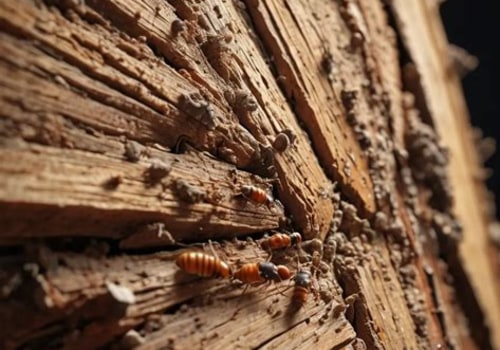
They feed on cellulose found in wood, paper, and other organic materials, leading to structural weaknesses and unsightly damage. The impact of a termite infestation on your furniture can be devastating. As they tunnel through wood, they create hollowed-out areas that compromise the integrity of your items. This not only affects the aesthetic appeal of your furniture but can also lead to costly repairs or replacements. Early detection is crucial; therefore, being aware of the signs of a termite infestation is vital for any homeowner. Common indicators of termite activity include discarded wings, mud tubes along walls or foundations, and hollow-sounding wood when tapped.
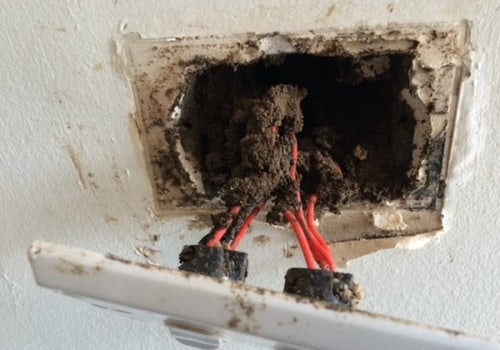
Additionally, you may notice small holes in your furniture or a fine powdery substance known as frass, which is essentially termite droppings. If you suspect that your belongings are under threat from these destructive pests, it’s imperative to act swiftly to mitigate damage and initiate termite removal strategies.
Immediate Steps to Take Upon Discovering Termites
Discovering termites in your furniture or belongings can be alarming, but taking immediate action is crucial to minimise damage. Here are the steps you should follow:- Identify the Infestation: Carefully inspect the affected items to confirm the presence of termites. Look for signs such as small holes, frass (termite droppings), or a hollow sound when tapping on wood.
- Isolate Affected Items: If possible, move infested furniture or belongings away from other items to prevent the spread of termites.
This containment is essential in limiting further damage.
- Avoid Disturbing the Area: Refrain from moving or shaking the infested items excessively, as this can disturb the termites and cause them to scatter.
- Check for Structural Damage: Examine surrounding areas and other furniture for signs of infestation. Termites can travel through wood and may have already spread.
- Document the Damage: Take photos and notes of any visible damage. This documentation can be useful for pest control professionals and insurance claims.
Remember, quick action is key in preventing extensive damage from these destructive pests.
Assessing the Extent of the Infestation
When you discover termites in your furniture or belongings, the first step is to assess the extent of the infestation. Understanding how severe the damage is can help you determine the best course of action, whether it be a DIY approach or calling in professionals.Identifying Signs of Infestation
Start by looking for common signs of termite activity:- Wood Damage: Check for hollowed-out wood, which may sound different when tapped.
- Frass: This is termite droppings that resemble sawdust or small pellets, often found near infested areas.
- Swarmers: Winged termites may be seen during warmer months, indicating a nearby colony.
- Mud Tubes: Look for small tunnels made of mud on walls or furniture, which termites use to travel.
Assessing the Severity
To evaluate how serious the infestation is, consider the following:- Extent of Damage: Inspect multiple pieces of furniture and surrounding areas. If several items are affected, it indicates a larger problem.
- Duration: If you suspect that termites have been present for an extended period, the damage may be more severe.
- Type of Termite: Different species cause varying levels of damage. Subterranean termites are particularly destructive.
When to Seek Professional Help
If you notice significant damage or multiple signs of infestation, it’s advisable to seek a professional assessment.Pest control experts can provide a thorough inspection and recommend effective termite removal strategies tailored to your situation. They have access to advanced tools and treatments that can eliminate termites more effectively than DIY methods.In summary, assessing the extent of a termite infestation involves careful inspection and consideration of various factors. Early detection and prompt action are crucial in preventing further damage to your belongings.
DIY Termite Removal Methods
When faced with a termite infestation in your furniture or belongings, taking immediate action is crucial. Here are some DIY termite removal methods that can help you tackle the problem effectively.Natural Remedies
- Orange Oil: This oil contains d-limonene, which is toxic to termites.
Apply it directly to infested areas using a spray bottle. Ensure you cover all surfaces thoroughly.
- Neem Oil: Known for its insect-repelling properties, neem oil disrupts the life cycle of termites. Mix it with water and spray it on affected furniture.
- Boric Acid: A common household item, boric acid can be sprinkled in areas where termites are active. It works by dehydrating and killing them upon ingestion.
Chemical Treatments
- Termite Baits: These contain slow-acting insecticides that termites carry back to their colony, effectively eliminating the entire population over time.
- Foam Insecticides: Foam treatments can penetrate wood and reach hidden termites.
Apply these products according to the manufacturer's instructions for best results.
When to Call a Professional Pest Control Service
Identifying a termite infestation in your furniture or belongings can be alarming, and knowing when to call a professional pest control service is crucial for effective termite removal. Here are some scenarios where seeking expert help is not just advisable but necessary:- Severe Infestation: If you notice extensive damage to your furniture or structural elements of your home, it’s time to contact professionals.
They have the tools and expertise to assess the situation accurately.
- Recurring Problems: If you’ve attempted DIY methods in the past but continue to see signs of termites, a professional service can provide a more permanent solution.
- Health Concerns: Some termite treatments involve chemicals that can be hazardous if not handled properly. Professionals are trained to use these substances safely.
- Time Constraints: If you’re busy and cannot dedicate time to monitor and treat the infestation, hiring experts can save you time and stress.
- Comprehensive Inspection: Professionals conduct thorough inspections to identify not only visible infestations but also hidden colonies that may be causing damage.
- Targeted Treatments: Experts use advanced techniques and products tailored to your specific situation, ensuring effective eradication of termites.
- Long-term Solutions: Professional services often provide warranties or follow-up treatments, giving you peace of mind that the problem won’t return.
- Expertise and Experience: Pest control professionals have extensive training and experience, allowing them to handle infestations efficiently and effectively.
Preventing Future Termite Infestations
Preventing future termite infestations is crucial for protecting your furniture and belongings.Here are some effective termite prevention tips to help you safeguard your home:
- Maintain Low Moisture Levels: Termites thrive in damp environments. Ensure that your home is well-ventilated and fix any leaks in plumbing or roofing promptly.
- Store Firewood Properly: Keep firewood at least 20 feet away from your home and elevate it off the ground. This reduces the risk of termites migrating from the wood to your furniture.
- Seal Cracks and Openings: Inspect your home for cracks in walls, foundations, and around windows. Use caulk or other sealants to close these gaps, preventing termites from entering.
- Use Termite-Resistant Materials: When building or renovating, consider using materials that are less attractive to termites, such as metal or treated wood.
- Regular Inspections: Schedule annual inspections with a pest control professional to catch any signs of termite activity early.
Early detection can save you from extensive damage.
- Keep Furniture Away from Walls: Position furniture at least a few inches away from walls to create a barrier that makes it harder for termites to access.
- Avoid Storing Items in Damp Areas: Store belongings in dry, climate-controlled areas. Avoid basements or attics that may be prone to moisture.
- Use Borate Treatments: Apply borate-based products on wooden furniture and structures as a preventive measure against termites.
Frequently Asked Questions About Termite Removal
When it comes to termite removal, many homeowners have questions about the process, effectiveness, and duration of treatments. Here are some frequently asked questions that can help clarify your concerns.What are the signs of a termite infestation?
Common signs include:- Wood damage: Look for hollowed-out wood or tunnels in furniture.
- Frass: This is termite droppings that resemble sawdust or small pellets.
- Swarmers: Winged termites may appear during mating season, indicating an established colony.
How long does termite treatment take?
The duration of termite removal can vary based on the severity of the infestation and the method used. Generally, treatments can take anywhere from a few hours to several days.For example:
- Liquid treatments: These can be completed in one day but may require follow-up inspections.
- Bait systems: These may take several months to fully eradicate the colony.
Can I treat termites myself?
While there are DIY options available, professional treatment is often more effective. Professionals have access to stronger pesticides and can ensure that all areas are treated thoroughly. If you suspect a significant infestation, it’s advisable to consult with a pest control expert.How can I prevent future infestations?
To minimise the risk of future termite problems, consider these preventive measures:- Regular inspections: Schedule annual pest inspections to catch issues early.
- Moisture control: Fix leaks and ensure proper drainage around your home.
- Wood treatment: Use treated wood for construction and repairs.