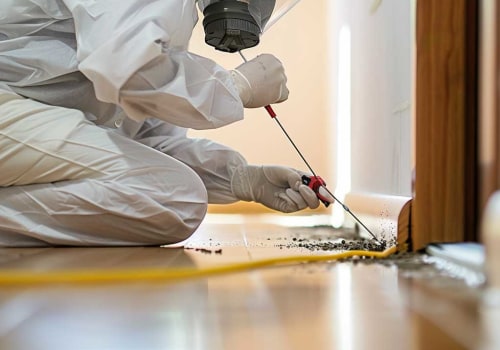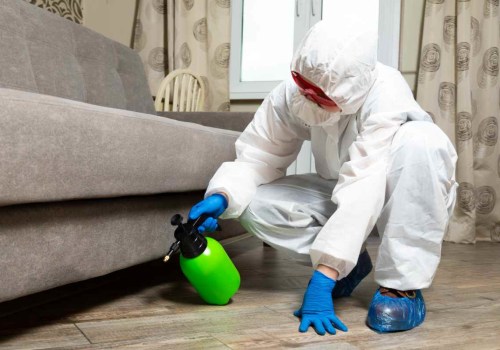
Termites are often referred to as the "silent destroyers" of the pest world, capable of causing significant damage to homes and structures before their presence is even detected. Understanding termite removal is crucial for homeowners, as effective treatments can save thousands in repair costs and protect the integrity of your property. With various methods available, it is essential to explore the most common approaches: liquid treatments and bait treatments.Both liquid and bait treatments serve the primary purpose of eliminating termite infestations, yet they operate on fundamentally different principles. Liquid treatments involve applying a chemical barrier around the foundation of a home, creating a protective shield that prevents termites from entering.
In contrast, bait treatments focus on attracting termites to a bait station filled with a slow-acting insecticide, which they then carry back to their colony, effectively targeting the source of the infestation. As we delve deeper into the nuances of these two methods, it becomes clear that each has its own set of advantages and disadvantages. Factors such as the severity of the infestation, environmental considerations, and long-term effectiveness play a significant role in determining which treatment is best suited for your specific situation. By understanding these differences, homeowners can make informed decisions about their termite treatments, ensuring that their homes remain safe and secure from these destructive pests.
What Are Termites and Why Are They a Problem?
Termites
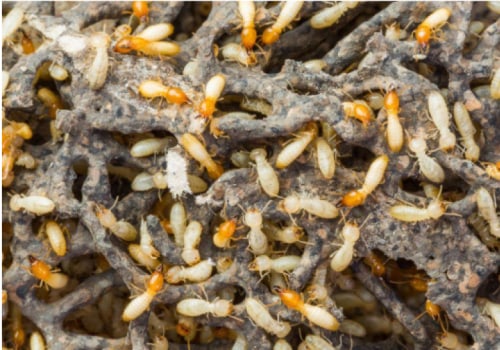
are small, social insects that primarily feed on cellulose, a component found in wood, paper, and other plant materials. They play a crucial role in the ecosystem by breaking down dead and decaying trees, but when they invade human structures, they can become a significant problem.There are several species of termites, with the most common being subterranean , drywood , and dampwood termites.
Each type has its own behaviour and habitat preferences, but all can cause extensive damage to properties if left unchecked.
Understanding Termite Behaviour
Termites live in colonies that can range from a few hundred to millions of individuals. They are known for their complex social structure, which includes workers, soldiers, and reproductive members. The worker termites are responsible for foraging for food and building tunnels, while soldiers protect the colony from predators.The Impact of Termite Infestation
A termite infestation can lead to severe structural damage in homes and buildings. The most common signs of an infestation include:- Wood damage: Termites consume wood from the inside out, often leaving a thin veneer on the surface.
This can weaken beams, floors, and walls.
- Sawdust or frass: As termites eat through wood, they excrete waste that resembles sawdust. Finding this material near wooden structures is a clear indication of an infestation.
- Swarmers: During certain seasons, reproductive termites leave the colony to mate and establish new colonies. Spotting these winged insects indoors is a strong sign of an existing problem.
Early intervention can save property owners significant time and money in repairs.
Overview of Termite Removal Methods
When it comes to termite removal, homeowners have a variety of methods at their disposal, each with its own advantages and disadvantages. Understanding these options is crucial for effective pest management.Generally, termite removal methods can be categorised into two main types: chemical treatments and non-chemical treatments.Chemical Treatments
- Liquid Treatments: These involve applying liquid insecticides directly to the soil around a property. The chemicals create a barrier that prevents termites from entering. Liquid treatments are often effective for immediate infestations and can last several years, depending on the product used.
- Bait Treatments: This method uses bait stations placed around the perimeter of the home.
The bait contains slow-acting insecticides that termites consume and then carry back to their colony, ultimately leading to the elimination of the entire colony. Bait treatments are less intrusive and can be monitored over time.
Non-Chemical Treatments
- Physical Barriers: These include steel mesh or sand barriers that prevent termites from accessing the structure. They are often used in new constructions as a preventative measure.
- Heat Treatment: This method involves raising the temperature of infested wood to a level that is lethal to termites. It is an eco-friendly option but may require professional equipment.
- Fumigation: In cases of severe infestation, fumigation may be necessary.
This involves sealing the structure and introducing a gas that penetrates all areas, effectively killing termites.
Liquid Treatments for Termite Removal
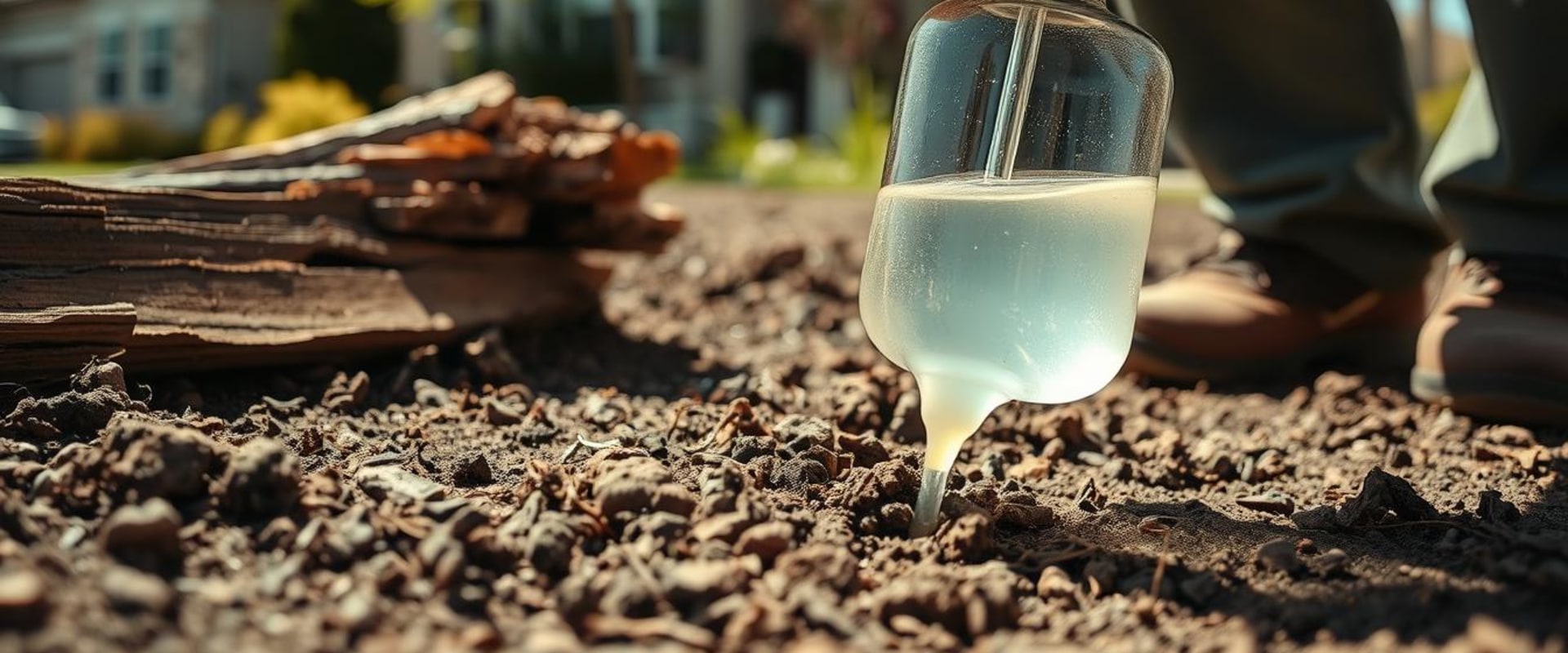
Liquid treatments for termite removal are a widely used method that involves applying a chemical barrier to the soil around a property. This approach is designed to prevent termites from entering the structure and to eliminate any existing infestations.How Liquid Treatment Works
The process begins with a thorough inspection of the property to identify areas where termites are likely to enter. Once these areas are pinpointed, a liquid termiticide is applied directly into the soil, creating a protective barrier. This treatment can be done in two primary ways:- Pre-construction treatment: Applied before the foundation is laid, ensuring that the soil is treated and protected from the outset.
- Post-construction treatment: Involves drilling holes into concrete slabs or injecting the termiticide into the soil around existing structures.
Benefits of Liquid Treatment
One of the main advantages of liquid treatments is their immediate effectiveness.The chemicals used can kill termites on contact and provide long-lasting protection when applied correctly. Other benefits include:
- Versatility: Suitable for various types of properties, including residential and commercial buildings.
- Preventive measure: Creates a barrier that deters future infestations.
- Targeted application: Allows for specific areas of concern to be treated without affecting the entire property.
Potential Drawbacks
While liquid treatments are effective, there are some considerations to keep in mind. The chemicals used can be harmful to non-target organisms, including pets and beneficial insects, if not applied properly. Additionally, regular monitoring and reapplication may be necessary to maintain effectiveness over time.In conclusion, liquid treatments for termite removal offer a robust solution for both prevention and eradication of termite infestations.Understanding how these treatments work and their benefits can help homeowners make informed decisions about protecting their properties.
Bait Treatments for Termite Removal
Bait treatments for termite removal are an increasingly popular method for managing termite infestations. Unlike traditional liquid treatments, which create a chemical barrier in the soil, bait systems focus on attracting termites to a bait station filled with a slow-acting insecticide.How Bait Treatment Works
- Bait stations are strategically placed around the perimeter of the property, often near areas where termite activity has been detected.
- Termites consume the bait and carry it back to their colony, where it is shared with other members, including the queen.
- The slow-acting nature of the insecticide allows for maximum exposure within the colony, ultimately leading to its elimination.
Benefits of Bait Treatment
- Environmentally Friendly: Bait systems typically use less chemical than liquid treatments, making them a more eco-friendly option.
- Targeted Approach: Since bait is only placed where termites are active, there is less risk of chemical exposure to non-target organisms.
- Monitoring Capability: Bait stations can be monitored regularly to assess termite activity and effectiveness, allowing for timely interventions if needed.
- Long-term Protection: Once a colony is eliminated, bait systems can remain in place to prevent future infestations.
Disadvantages of Bait Treatment
- Time-Consuming: The process of eliminating a colony can take several months, as it relies on termites consuming the bait and returning it to their nest.
- Initial Cost: The upfront cost of installing bait stations can be higher than that of liquid treatments.
- Effectiveness Dependent on Termite Behaviour: If termites do not find the bait or prefer other food sources, the treatment may be less effective.
Comparing Liquid and Bait Treatments
When it comes to termite removal, understanding the differences between liquid and bait treatments is crucial for homeowners facing infestations. Each method has its own set of advantages and disadvantages, making it essential to evaluate them based on effectiveness, cost, application processes, and long-term results.Effectiveness
Liquid treatments, often referred to as barrier treatments, involve applying a chemical solution directly into the soil around a property.This creates a protective barrier that termites cannot cross. These treatments are typically effective immediately upon application, providing quick results in eliminating existing colonies.On the other hand, bait treatments work differently. They involve placing bait stations around the property that contain slow-acting insecticides. Termites consume the bait and carry it back to their colony, eventually leading to the elimination of the entire colony over time.
While this method may take longer to show results, it can be more effective in eradicating hidden colonies.
Cost Considerations
In terms of cost, liquid treatments can be more expensive upfront due to the need for professional application and the quantity of chemicals used. However, they may require less frequent reapplication compared to bait systems. Conversely, bait treatments often have a lower initial cost but may incur ongoing expenses for monitoring and replenishing bait stations.Application Processes
The application process for liquid treatments is generally more invasive, requiring drilling into concrete or digging around foundations. This can lead to disruption in landscaping or property aesthetics.Bait systems are less invasive; they are installed discreetly around the perimeter of the home and require minimal disturbance.
Long-Term Results
In terms of long-term effectiveness, liquid treatments can provide a lasting barrier if maintained properly. However, environmental factors such as rain or soil movement can affect their longevity. Bait systems, while slower to act initially, can offer ongoing protection as they continuously monitor and eliminate termite activity over time.Ultimately, the choice between liquid and bait treatments for termite removal depends on individual circumstances including the severity of the infestation, budget constraints, and personal preferences regarding property disruption. Consulting with a pest control professional can help determine the best approach tailored to specific needs.Factors to Consider When Choosing a Treatment Method
When it comes to termite removal, selecting the right treatment method is crucial for effective eradication and long-term prevention.Several factors should be considered to ensure that homeowners make an informed decision.
- Severity of Infestation: The extent of the termite problem is a primary factor. If the infestation is minor, bait treatments may suffice, as they target the colony over time. However, for severe infestations, liquid treatments might be necessary to provide immediate results.
- Property Type: The construction and layout of your property can influence the choice of treatment. For instance, homes with crawl spaces may benefit from liquid treatments that create a barrier, while bait systems can be more effective in slab homes.
- Budget: Cost is always a consideration.
Liquid treatments often require a higher initial investment but may offer longer-lasting protection. Bait systems can be more affordable upfront but may require ongoing maintenance and monitoring.
- Environmental Impact: Homeowners should also consider the environmental implications of their chosen method. Some may prefer eco-friendly bait systems, which are less harmful to surrounding wildlife and plants compared to traditional chemical treatments.
- Long-term Prevention: Think about future prevention strategies. Liquid treatments can provide a long-lasting barrier against termites, while bait systems require regular checks and replenishment to remain effective.
FAQs About Termite Removal Treatments
When it comes to termite removal, many homeowners have questions about the various treatment options available.Here are some frequently asked questions that can help clarify your doubts:
What is the difference between liquid and bait treatments for termites?
Liquid treatments involve applying a chemical barrier around the foundation of your home to prevent termites from entering. In contrast, bait treatments use bait stations placed strategically around your property, which attract termites and deliver a slow-acting insecticide that they share with their colony.How long do termite treatments last?
The longevity of termite removal treatments can vary. Liquid treatments typically last between 5 to 10 years, depending on environmental factors and the specific product used. Bait systems may require more frequent monitoring and can be effective for several years, but they need regular maintenance to ensure efficacy.Are termite treatments safe for pets and children?
Most modern termite removal products are designed to be safe when applied correctly.However, it is essential to follow the manufacturer's guidelines and consult with your pest control professional about any potential risks. Keeping pets and children away from treated areas during the application process is advisable.
Can I treat termites myself?
While there are DIY options available, professional treatment is often recommended for severe infestations. Professionals have access to more potent products and possess the expertise to identify the extent of the infestation accurately.How do I know if I need termite treatment?
- Signs of infestation: Look for mud tubes, discarded wings, or hollow-sounding wood.
- Regular inspections: Schedule annual inspections with a pest control expert to catch infestations early.
- Property age: Older homes may be more susceptible to termite damage.
Conclusion: Making an Informed Choice for Termite Removal
In conclusion, understanding the differences between liquid and bait treatments for termite removal is crucial for homeowners facing potential infestations. Each method has its unique advantages and limitations, making it essential to consider your specific situation before making a decision.Liquid treatments are often preferred for their immediate effectiveness.They create a barrier that can prevent termites from entering your home, providing peace of mind for those who want a quick solution. However, they may require reapplication over time and can be less effective in certain soil types or conditions. On the other hand, bait systems offer a more gradual approach to termite control. By attracting termites to the bait stations, these systems can effectively eliminate entire colonies over time. This method is particularly beneficial for those who prefer a less invasive treatment option and are willing to wait for results. Ultimately, the choice between liquid and bait treatments should be guided by factors such as:
- The severity of the infestation
- Your property’s structure and location
- Your budget and long-term pest management goals
They can assess your property and recommend the most suitable termite removal strategy, ensuring that you make an informed choice that protects your home effectively.