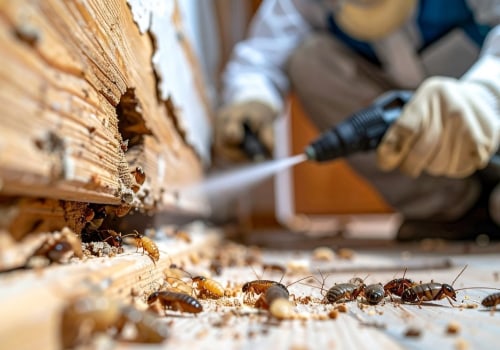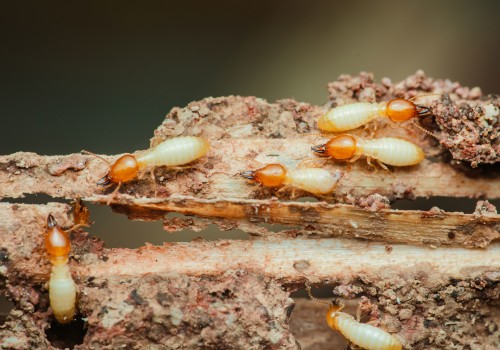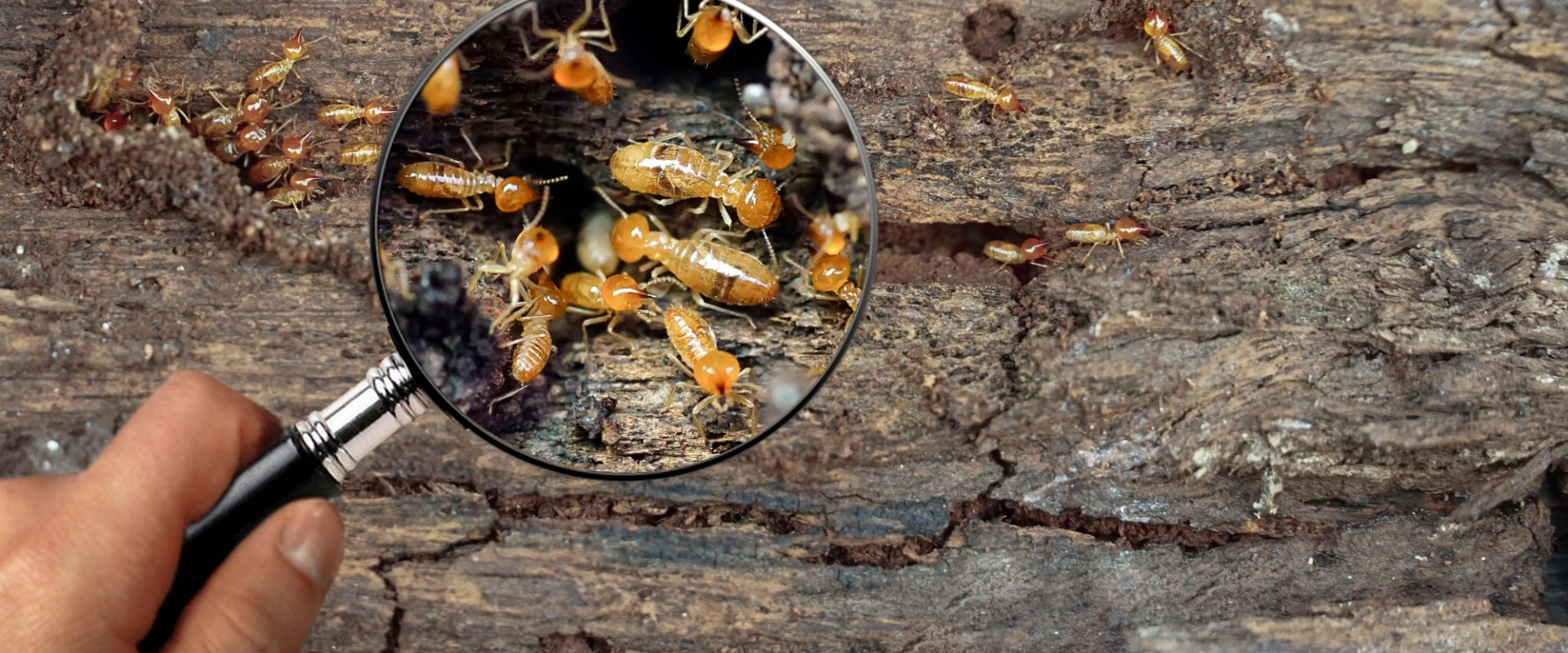
Termite infestations can pose a significant threat to the structural integrity of your home. These pests, often referred to as "silent destroyers," can cause extensive damage before their presence is even detected. Understanding how these infestations occur is essential for homeowners who wish to protect their property from potential harm. Termites are attracted to wood and cellulose materials, which are abundant in many homes, especially those with wooden structures or furnishings. Recognising the signs of termites is crucial in identifying an infestation early.
Homeowners should be vigilant for indicators such as mud tubes along walls, hollow-sounding wood, and discarded wings near windows or doors. Additionally, small holes in wood surfaces may suggest that termites are actively feeding within. These signs can often be subtle, making it imperative to conduct regular inspections and remain aware of any changes in your home. Moreover, understanding the damage caused by termites can help underscore the importance of timely intervention. Termites can compromise the stability of beams, joists, and even furniture, leading to costly repairs and potential safety hazards.
By familiarising yourself with these aspects of termite behaviour and damage, you empower yourself to take proactive measures against infestations and ensure your home remains a safe haven.
Signs Your Home Has Been Treated for Termites
Determining whether your home has been successfully treated for termites is crucial for ensuring its long-term safety and structural integrity. Here are some key signs of termite treatment that you should look for:- Documentation from Pest Control Services: After treatment, reputable pest control companies provide a detailed report outlining the methods used, areas treated, and any follow-up recommendations. This documentation is essential for verifying that the treatment was conducted properly.
- Visible Evidence of Treatment: Look for signs of treatment such as bait stations or chemical barriers around the foundation of your home. These installations indicate that preventative measures have been put in place to deter future infestations.
- Absence of Live Termites: One of the most obvious signs that your home has been treated is the lack of live termites.
If you notice no activity in areas previously infested, it’s a positive indication that the treatment was effective.
- Dead Termites: Finding dead termites in and around your home can also be a sign of successful treatment. However, it’s important to note that this should be accompanied by a lack of new activity.
- Reduction in Damage: If you’ve previously noticed signs of termite damage, such as hollow-sounding wood or mud tubes, a significant reduction or absence of these indicators can suggest that the treatment has worked.
Post-Treatment Monitoring: What to Look For
After your home has undergone termite removal, it is crucial to engage in diligent post-treatment monitoring to ensure that the treatment was successful and that no new infestations have occurred.Here are some key aspects to consider during your monitoring process:
- Regular Inspections: Schedule inspections every three to six months, especially in the first year after treatment. This frequency allows you to catch any signs of termites early.
- Signs of Activity: Look for signs of termite activity, such as:
- Frass: This is the wood dust or droppings left behind by termites. Finding frass near wooden structures can indicate ongoing activity.
- Swarms: If you notice winged insects around your home, especially during warm months, this could signify a new colony.
- Damaged Wood: Inspect wooden structures for hollow sounds when tapped or visible damage, which may suggest a resurgence of termites.
- Moisture Control: Termites thrive in moist environments. Ensure that your home has proper drainage and that there are no leaks in plumbing or roofing that could attract them.
- Professional Follow-Up: Consider hiring a pest control professional for follow-up inspections.
They can provide expert insights and advanced monitoring techniques.
Professional Termite Inspections: When and Why You Need Them
After undergoing termite removal, it is crucial to ensure that your home has been effectively treated. One of the best ways to achieve this is through a professional termite inspection. These inspections are not only vital for confirming the success of the treatment but also for identifying any potential risks that may arise in the future.When to Hire Pest Control for Inspections
- Immediately after treatment: Scheduling a professional inspection shortly after the termite removal process can help verify that all termites have been eradicated.
- Annually: Regular inspections, at least once a year, can help catch any new infestations early, ensuring your home remains protected.
- After significant weather events: Heavy rains or storms can compromise barriers and treatments, making it essential to check for any signs of re-infestation.
Benefits of Professional Inspections
- Expertise: Professionals have the training and experience to identify signs of termites that may go unnoticed by an untrained eye.
- Comprehensive assessment: A thorough inspection includes checking not just for live termites but also for damage and conducive conditions that could lead to future infestations.
- Peace of mind: Knowing that your home has been inspected by a professional can provide reassurance that you are taking the necessary steps to protect your investment.
By understanding when to schedule these inspections and recognising their benefits, you can ensure that your property remains termite-free and secure for years to come.
Common Myths About Termite Treatment Success
When it comes to termite removal, many homeowners are often misled by common myths that can cloud their understanding of treatment success. Debunking these misconceptions is crucial for ensuring that you have realistic expectations about the effectiveness of termite treatments.- Myth 1: All termite treatments are equally effective. In reality, the effectiveness of a treatment can vary significantly based on the method used, the extent of the infestation, and the type of termites present. For instance, liquid treatments may work well for some species, while bait systems might be more effective for others.
- Myth 2: Once treated, termites will never return. While professional termite removal can significantly reduce the risk of future infestations, it does not guarantee complete eradication. Regular inspections and preventive measures are essential to keep your home safe from re-infestation.
- Myth 3: You can treat termites yourself with over-the-counter products. Many homeowners believe that DIY solutions can effectively eliminate termites.
However, these products often lack the potency and long-lasting effects of professional treatments. Moreover, improper application can lead to further damage.
- Myth 4: Termite damage is only cosmetic. This misconception downplays the serious structural risks associated with termite infestations. Termites can cause significant damage to wooden structures, which may not be immediately visible but can compromise the integrity of your home.
FAQs About Termite Removal and Treatment Success
When it comes to termite removal, many homeowners have questions about the effectiveness of treatments and how to ensure their homes are free from these destructive pests.Here are some frequently asked questions that can help clarify your concerns:
How can I tell if my home has been successfully treated for termites?
After a professional termite removal treatment, it’s essential to monitor your home for signs of termite activity. Look for:- Swarmers: These are winged termites that may appear during the spring. If you see them, it could indicate an active infestation.
- Sawdust or frass: This is a sign of termite activity. If you notice small piles of wood shavings, it may mean that termites are still present.
- Damaged wood: Inspect wooden structures for hollow sounds when tapped or visible damage.
How long does it take to know if the treatment was successful?
The success of termite removal treatments can often be assessed within a few months.However, it’s advisable to schedule follow-up inspections with your pest control professional to ensure that no new activity has occurred.
What should I do if I see signs of termites after treatment?
If you notice any signs of termites post-treatment, contact your pest control service immediately. They may recommend additional treatments or inspections to address any lingering issues.Are there preventative measures I can take after treatment?
Yes! To help prevent future infestations, consider the following:- Regular inspections: Schedule annual inspections with a pest control expert.
- Moisture control: Ensure proper drainage around your home and fix any leaks.
- Wood treatment: Use treated wood for construction and repairs.
Conclusion: Ensuring Long-Term Protection Against Termites
In conclusion, ensuring your home is free from termites is not a one-time effort but an ongoing commitment.Termite removal
is just the first step in a comprehensive strategy to protect your property. Regular inspections and maintenance are crucial in identifying potential threats before they escalate into significant damage. To maintain a termite-free environment, consider the following:- Regular Inspections: Schedule professional inspections at least once a year.
This proactive approach can help catch any signs of infestation early.
- Moisture Control: Termites thrive in damp conditions. Ensure that your home has proper drainage and that gutters are clear to prevent water accumulation.
- Wood Treatment: Use treated wood for any construction or repairs. This can significantly reduce the risk of termite infestations.
- Landscaping Practices: Keep mulch and wood piles away from the foundation of your home. This reduces the chances of termites finding their way inside.
Their expertise can provide you with tailored solutions that ensure long-term protection against these destructive pests. Ultimately, staying informed and vigilant is key. By understanding the signs of termite activity and implementing preventive measures, you can safeguard your home and enjoy peace of mind knowing that it remains a safe haven for you and your family.