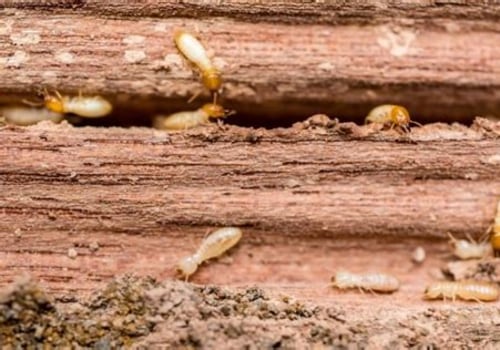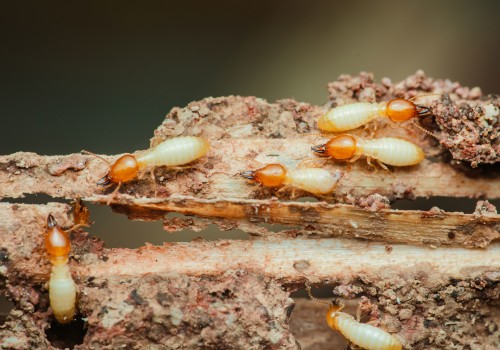
Termites are small, wood-eating insects that can cause significant damage to properties if left unchecked. These pests thrive in warm, moist environments and are often found in areas with abundant wood sources, making homes particularly vulnerable. Understanding the behaviour of termites is crucial for homeowners, especially if you suspect that your neighbour's property may be infested. Early detection and intervention can save you from costly repairs and extensive damage. The impact of termite infestations can be devastating.
Termite damage often goes unnoticed until it has reached a critical level, leading to structural weaknesses in walls, floors, and foundations. This damage not only compromises the integrity of the building but can also pose serious safety risks to its occupants. Signs of termites include mud tubes along walls, hollow-sounding wood, and discarded wings near windows or doors. Recognising these indicators early on is essential for effective termite removal.If you suspect that your neighbour's property has termites, it is important to approach the situation delicately.
Not only could their infestation affect your own home, but it also raises concerns about property values in the area. By understanding the nature of these pests and their potential impact, you can take informed steps to address your concerns and protect your investment.
Identifying Signs of Termite Infestation
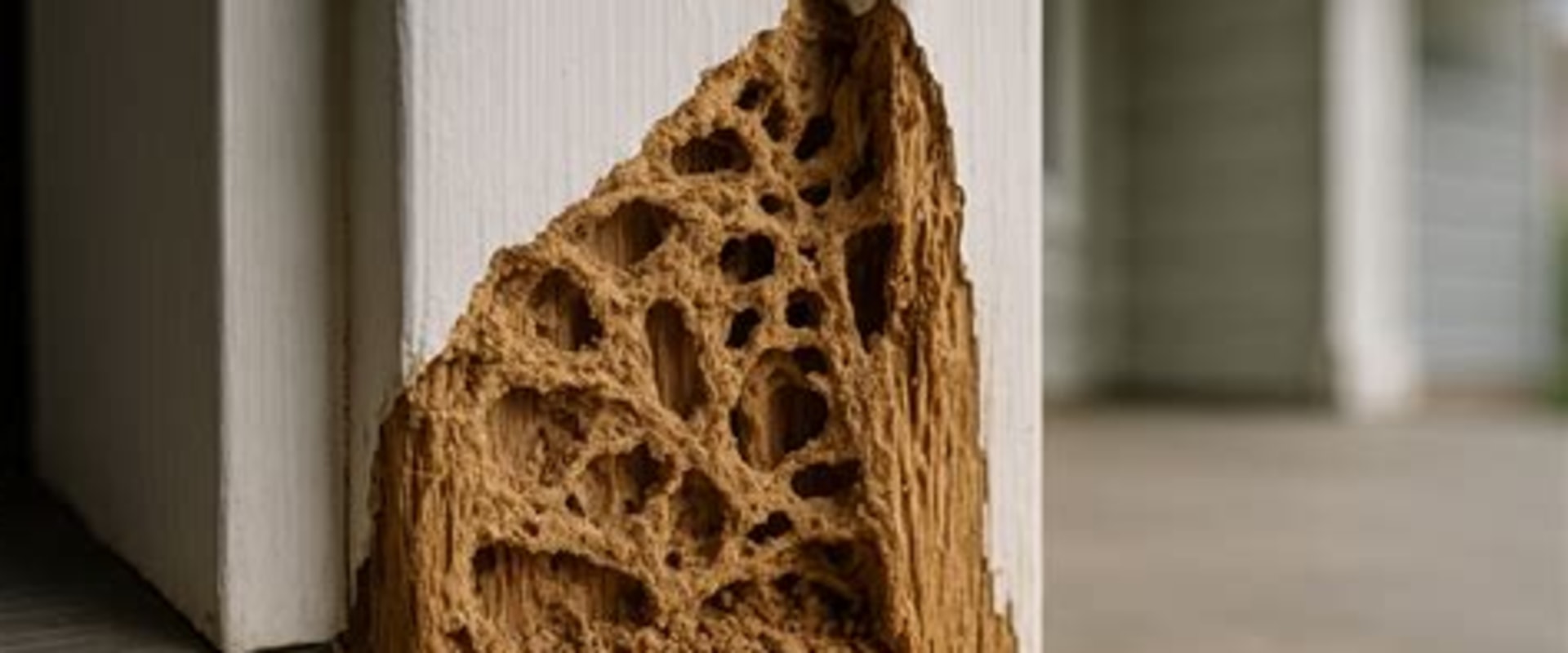
When it comes to termite removal, the first step is identifying whether your neighbour's property is infested. Recognising the signs of a termite infestation can help you take timely action to prevent further damage.- Wood Damage: One of the most obvious signs of termites is damage to wooden structures. Look for hollowed-out wood, which may sound hollow when tapped.
This occurs as termites consume the wood from the inside out.
- Termite Droppings: Also known as frass, termite droppings resemble small pellets and can often be found near infested areas. These droppings are typically dark in colour and may be mistaken for sawdust.
- Swarmers: During certain seasons, you may notice winged termites, known as swarmers, emerging from your neighbour's property. These insects are a sign of a mature colony and indicate that a serious infestation may be present.
- Mud Tubes: Termites often build mud tubes to protect themselves while travelling between their nest and food sources. These tubes can be found on walls, foundations, or even in crawl spaces.
- Bubbling or Peeling Paint: If you observe paint that appears to be bubbling or peeling, it could be a sign of moisture caused by termite activity behind the walls.
Informing them about your concerns can lead to early detection and effective termite removal, ultimately protecting both properties from extensive damage.
Assessing the Situation: What to Do First
If you suspect that your neighbour's property has termites, it’s crucial to take immediate action to assess the situation. Early detection can prevent extensive damage not only to their property but potentially to yours as well.1.Observe the Surroundings
- Look for visible signs of termite activity, such as mud tubes on exterior walls, discarded wings, or hollow-sounding wood.
- Check for any wood that appears damaged or has small holes, which may indicate tunnelling by termites.
- Pay attention to any unusual sounds coming from the walls, as this could be a sign of termites at work.
2.Document Your Findings
Keep a detailed record of your observations. Take photographs of any signs you find, noting the date and location. This documentation can be invaluable if you need to discuss the issue with your neighbour or seek professional help.
3.Communicate with Your Neighbour
Approach your neighbour in a friendly manner and share your concerns.
It’s important to be tactful; they may not be aware of the problem. Present your findings calmly and offer to help them find a solution.
4.Suggest Professional Help
If your neighbour is receptive, recommend that they contact a professional pest control service for a thorough inspection. Experts can provide a comprehensive assessment and suggest appropriate termite removal strategies.
5.Stay Informed
Educate yourself about termites and their behaviour. Understanding how they operate can help you identify potential risks in your own property and take preventive measures.By taking these initial steps, you can play a proactive role in addressing potential termite issues in your neighbour's property, ultimately protecting both homes from costly damage.
Communicating with Your Neighbour
When you suspect that your neighbour's property may be infested with termites, approaching the situation delicately is crucial to maintaining a good relationship.Here are some effective strategies for discussing this sensitive issue.
- Choose the Right Time and Place: Timing is everything. Find a moment when your neighbour is not busy or stressed. A casual setting, such as a chat over the garden fence or during a community event, can make the conversation feel less confrontational.
- Be Friendly and Non-Accusatory: Start the conversation in a friendly manner. You might say something like, "I noticed some signs of potential termite activity near your property, and I thought it would be good to mention it since we’re neighbours." This approach shows concern rather than accusation.
- Share Your Observations: If you have specific observations, such as mud tubes or damaged wood, share them calmly.
Use phrases like, "I saw some mud tubes on your fence; I’ve read they can indicate termites." This way, you provide information without sounding alarmist.
- Offer Support: Let your neighbour know that you’re willing to help if they need it. You could suggest contacting a professional for termite removal or even offer to help them look for local pest control services. This shows that you care about their property and well-being.
- Respect Their Response: Be prepared for various reactions. Your neighbour may appreciate your concern or may feel defensive.
Regardless of their response, remain respectful and understanding. If they seem dismissive, don’t push the issue further; instead, give them space to process the information.
When to Involve Professionals
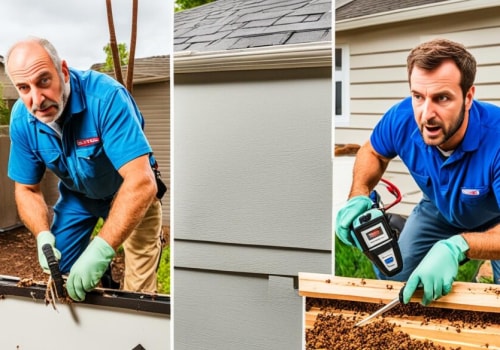
If you suspect that your neighbour's property has termites, it is crucial to act promptly. While you may be tempted to handle the situation yourself, involving professionals is often the best course of action.Here are some key indicators that it’s time to call in the experts:
- Visible Damage: If you notice signs of wood damage, such as hollowed-out beams or crumbling wood, this could indicate a serious infestation.
- Swarmers: The presence of winged termites, especially during spring, is a clear sign of an active colony nearby.
- Frass: Termite droppings, known as frass, resemble small pellets and can often be found near infested areas.
- Moisture Issues: Termites thrive in damp environments. If your neighbour's property has water damage or leaks, it may attract these pests.
These may include:
- Treatment Options: Depending on the severity of the infestation, treatments can vary from chemical applications to baiting systems designed to eliminate colonies.
- Preventative Measures: Professionals can provide advice on how to prevent future infestations, including moisture control and structural repairs.
- Follow-Up Inspections: Regular follow-ups can ensure that any remaining termites are dealt with promptly and that your property remains protected.
Understanding Termite Removal Options
When it comes to termite removal, understanding the various options available is crucial for effectively addressing a potential infestation. There are several methods to consider, each with its own advantages and disadvantages.Chemical Treatments
Chemical treatments are among the most common and effective solutions for termite removal. These typically involve the use of insecticides that can either be applied directly to the affected areas or used as a preventative measure around the perimeter of a property.Some popular chemical treatments include:
- Liquid Termiticides: These are applied to the soil around the foundation of a home, creating a barrier that prevents termites from entering.
- Baiting Systems: These involve placing bait stations around the property that attract termites. Once consumed, the bait disrupts their life cycle, effectively reducing their population.
- Foam Treatments: Ideal for hard-to-reach areas, foam insecticides expand upon application, filling voids and crevices where termites may hide.
Natural Solutions
If you prefer a more environmentally friendly approach, there are several natural solutions for termite removal. While these methods may not be as immediately effective as chemical treatments, they can be beneficial in managing smaller infestations:- Boric Acid: This natural pesticide can be applied to wood surfaces and is effective in killing termites when ingested.
- Essential Oils: Oils such as orange oil and neem oil have been shown to repel termites and can be used as a preventative measure.
- Beneficial Nematodes: These microscopic worms can be introduced into the soil to seek out and kill termites.
Preventing Future Infestations
Preventing future termite infestations is crucial for maintaining the integrity of your home and protecting your investment.Here are some effective termite prevention tips that can help safeguard your property:
- Regular Inspections: Schedule annual inspections with a professional pest control service to identify any signs of termite activity early.
- Moisture Control: Termites thrive in damp environments. Ensure that your home has proper drainage and that gutters are clean and functioning to prevent water accumulation.
- Wood Maintenance: Store firewood and other wooden materials at least 20 feet away from your home and elevate them off the ground. This reduces the likelihood of termites finding their way into your property.
- Seal Entry Points: Inspect your home for cracks and crevices in the foundation, walls, and around windows and doors. Use caulk or other sealants to close these gaps, making it harder for termites to enter.
- Landscaping Considerations: Keep mulch and soil away from the foundation of your home.
If you use mulch, opt for cedar or other naturally resistant materials.
- Remove Dead Wood: Regularly check your yard for dead trees, stumps, or fallen branches, as these can attract termites. Dispose of them properly to eliminate potential breeding grounds.
By staying vigilant and taking action early, you can protect your home from these destructive pests.
FAQs About Termites and Neighbour Relations
When it comes to termite removal and neighbour relations, several questions often arise. Here are some frequently asked questions that can help clarify your concerns:- What should I do if I suspect my neighbour has termites?
If you suspect that your neighbour's property is infested with termites, the first step is to approach them politely. Share your concerns and suggest they have a professional inspection. This can help prevent the spread of termites to your property. - Can I take legal action if my neighbour's termites damage my property?
In the UK, if your neighbour's negligence leads to damage on your property, you may have grounds for a legal claim.It’s advisable to document any damage and seek legal advice to understand your options.
- Are there laws regarding pest control in the UK?
While there are no specific laws mandating pest control, local councils may have regulations regarding property maintenance. If a pest issue affects public health or safety, you can report it to your local council. - How can I protect my property from termites?
To safeguard your home, ensure proper ventilation in crawl spaces, fix leaks promptly, and keep wood away from soil. Regular inspections by a pest control professional can also help catch any issues early.
Conclusion: Key Takeaways on Handling Suspected Termite Issues
In conclusion, addressing suspected termite issues is crucial for the protection of both your property and that of your neighbour.Termite removal should be approached with urgency, as these pests can cause significant structural damage if left unchecked. Here are the key takeaways to remember:
- Identify the Signs: Look for common indicators of termite activity, such as mud tubes, discarded wings, or hollow-sounding wood. Early detection is vital.
- Communicate with Your Neighbour: If you suspect that your neighbour's property is infested, it’s important to discuss your concerns with them. Open communication can lead to a collaborative approach to termite removal.
- Consult Professionals: Engage a qualified pest control expert to conduct a thorough inspection. They can provide an accurate assessment and recommend effective treatment options.
- Consider Preventative Measures: After addressing any current infestations, consider implementing preventative strategies such as regular inspections and maintaining proper drainage around your property.
Remember, timely action is essential in managing termite threats effectively.