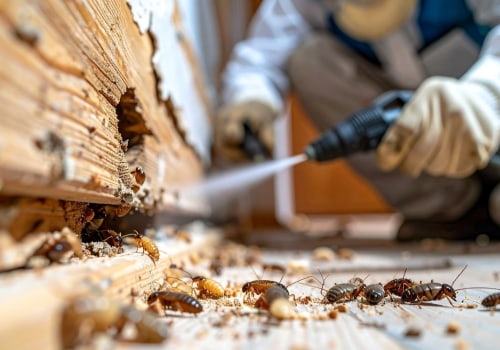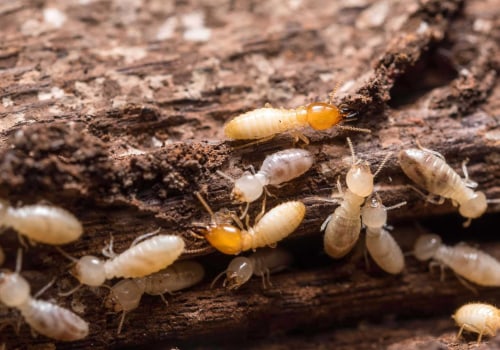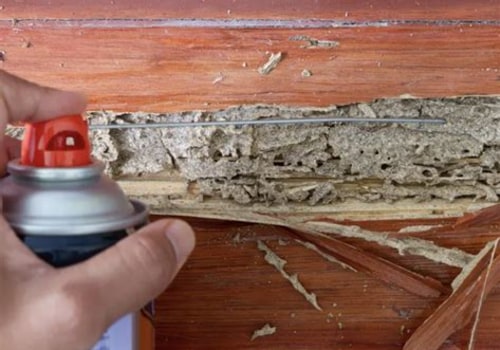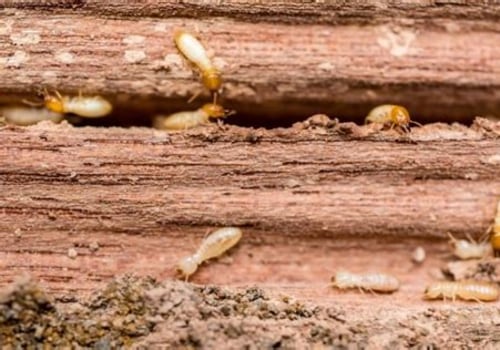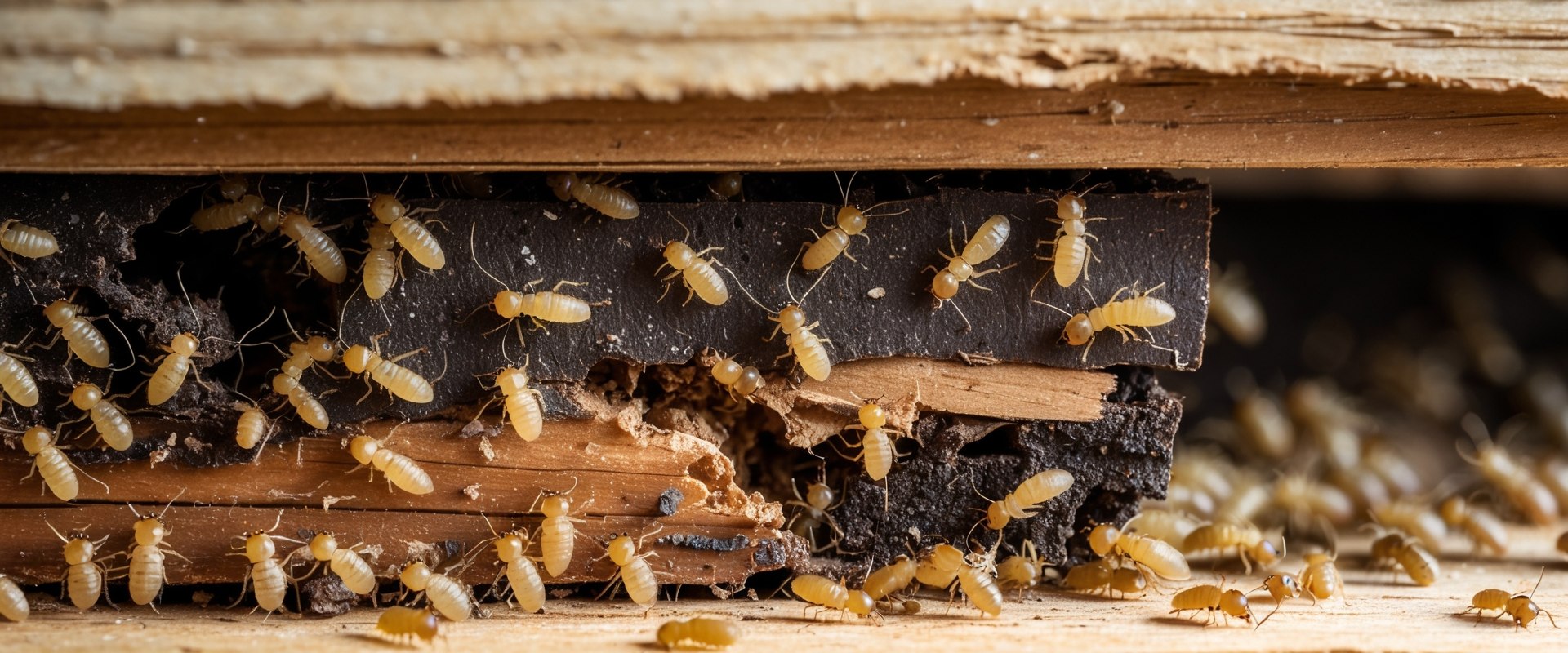
Termites are small, social insects that play a significant role in the ecosystem by breaking down dead and decaying wood. However, when they invade homes, they can become a homeowner's worst nightmare. These pests are often referred to as silent destroyers because they can cause extensive damage before their presence is even detected. Understanding what termites are and how they operate is essential for homeowners to safeguard their properties. There are several species of termites, but the most common ones that threaten homes include subterranean termites, drywood termites, and dampwood termites.
Subterranean termites live underground and build extensive colonies, often leading to significant structural damage as they tunnel through wood to access food sources. Drywood termites, on the other hand, infest dry wood and can cause damage without any contact with the soil, making them particularly challenging to detect. Dampwood termites thrive in moist environments and are typically found in decaying wood, which can also pose risks if moisture issues exist in your home. Termite behaviour is equally fascinating and alarming. They communicate through pheromones and vibrations, allowing them to coordinate their activities effectively.
This social structure enables them to work together in large numbers, making it easier for them to consume wood and other cellulose materials quickly. As a homeowner, recognising the signs of termite activity—such as discarded wings, mud tubes, or hollow-sounding wood—can be crucial in preventing severe damage.
Signs of Termite Infestation
Recognising the signs of termite infestation is crucial for homeowners to prevent extensive damage to their properties. Early detection can save you from costly repairs and ensure the structural integrity of your home remains intact. Here are some common signs of termites that you should be aware of:- Wood Damage: One of the most evident signs is the presence of hollowed-out wood. Termites consume wood from the inside out, leaving a thin veneer on the surface.
If you tap on wooden structures and hear a hollow sound, it may indicate termite activity.
- Sawdust or Frass: Termites excrete a material known as frass, which resembles sawdust. Finding small piles of this debris near wooden structures can be a clear indication of an infestation.
- Mud Tubes: Subterranean termites often build mud tubes to travel between their nests and food sources. These tubes are typically found on walls, foundations, or in crawl spaces and are about the width of a pencil.
- Swarmers: During certain seasons, you may notice winged termites, known as swarmers, inside your home. These insects are reproductive adults that leave their colonies to establish new ones.
Their presence is a strong indicator of an existing infestation.
- Bubbling or Peeling Paint: If you observe paint that appears to be bubbling or peeling, it could be due to moisture from termite activity beneath the surface. This can often be mistaken for water damage but should be investigated further.
Can Termites Really Cause Structural Damage?
Termites are often underestimated when it comes to their potential for structural damage in homes. These small insects can cause significant harm, particularly if infestations go unnoticed for extended periods.Understanding how termites damage homes is crucial for homeowners to take proactive measures.Termites primarily feed on cellulose, which is found in wood and other plant materials. As they tunnel through wooden structures, they weaken the integrity of beams, joists, and even flooring. Over time, this can lead to severe structural issues that may compromise the safety of the home.
Case Studies of Termite Damage
- Case Study 1: A family in Surrey discovered extensive damage to their home after noticing sagging floors. Upon inspection, it was revealed that termites had hollowed out critical support beams, leading to a costly repair bill exceeding £10,000.
- Case Study 2: In a historic property in Bath, termites were found eating through the wooden framework.
The owners faced not only structural repairs but also challenges in restoring the home's historical integrity, resulting in delays and additional expenses.
- Wood Damage: Look for hollow-sounding wood or visible tunnels.
- Sawdust: Fine wood dust near wooden structures can indicate termite presence.
- Frass: This is the excrement of termites, often resembling small pellets.
The Process of Termite Damage
Termites are notorious for their ability to cause significant damage to wooden structures, and understanding their feeding habits is crucial in recognising the threat they pose.These pests primarily feed on cellulose, a component found in wood, paper, and other plant materials. As they consume wood, they create tunnels and galleries within the structure, which can compromise its integrity over time.
How Termites Damage Wood
- Consumption of Wood: Termites use their strong mandibles to chew through wood, effectively hollowing it out. This process can go unnoticed for long periods, as the outer surface may remain intact while the interior is being destroyed.
- Moisture Attraction: Termites thrive in damp environments. They often target wood that has been exposed to moisture, making it easier for them to digest.
This not only leads to structural damage but can also promote mould growth.
- Colonisation: A single colony can consist of thousands of termites. As they multiply, their feeding activity intensifies, leading to accelerated damage.
Termite Feeding Habits
Termites are social insects that live in colonies, which can range from a few hundred to millions of individuals. Their feeding habits are influenced by their life cycle:
- Workers: The worker termites are responsible for foraging and feeding the colony. They are the ones that cause most of the damage as they search for food sources.
- Soldiers: While soldiers protect the colony from predators, they do not feed on wood themselves.
- Reproductives: These termites focus on reproduction and do not contribute directly to feeding or damage.
The Termite Life Cycle
The life cycle of a termite consists of several stages: egg, nymph, and adult.
The nymphs resemble small adults and undergo multiple molts before reaching maturity. This life cycle allows colonies to grow rapidly, increasing the potential for extensive damage if left unchecked.In summary, understanding how termites feed and their life cycle is essential for homeowners looking to protect their properties. Early detection and effective termite removal strategies can mitigate the risk of severe structural damage caused by these destructive pests.
Preventing Termite Infestation
Preventing termite infestations is crucial for maintaining the structural integrity of your home. Here are some effective termite prevention tips that can help safeguard your property:- Maintain a Dry Environment: Termites thrive in moist conditions.
Ensure that your home has proper drainage and that gutters are clear of debris. Fix any leaks in plumbing and roofing to reduce moisture levels.
- Seal Entry Points: Inspect your home for cracks and crevices in the foundation, walls, and around windows and doors. Use caulk or other sealants to close these gaps, preventing termites from entering.
- Store Wood Properly: Keep firewood, lumber, and other wooden materials at least 30 cm away from your home’s foundation. Store them off the ground on racks to discourage termite access.
- Regular Inspections: Schedule annual inspections with a pest control professional who can identify early signs of termite activity.
Early detection is key to effective termite removal.
- Use Termite-Resistant Materials: When building or renovating, consider using materials that are less attractive to termites, such as metal or treated wood.
- Landscaping Considerations: Keep plants and mulch away from the foundation of your home. Use gravel instead of wood mulch, as it is less appealing to termites.
Effective Termite Removal Methods
When it comes to termite removal, homeowners have several options to consider, ranging from DIY solutions to professional treatments. Understanding these methods is crucial for effectively eliminating termites and preventing further damage to your home.DIY Termite Removal Methods
- Boric Acid: This natural insecticide can be applied in areas where termites are active.
It works by disrupting their digestive systems, ultimately leading to their demise.
- Cardboard Traps: Since termites are attracted to cellulose, you can create traps using wet cardboard. Place them near infested areas, and once they are filled with termites, dispose of them safely.
- Essential Oils: Oils such as orange oil and neem oil have been shown to repel termites. Applying these oils in affected areas can help deter further infestations.
Professional Termite Treatment
If the infestation is severe or if DIY methods do not yield results, seeking professional help is advisable. Here are some common professional termite removal methods:
- Liquid Termiticides: Professionals often use liquid treatments that create a barrier around your home, preventing termites from entering.
- Baiting Systems: These involve placing bait stations around the property that attract termites.
Once consumed, the bait disrupts their life cycle and eliminates the colony.
- Fumigation: In cases of extensive infestation, fumigation may be necessary. This method involves sealing the home and introducing a gas that penetrates all areas, effectively killing termites.
FAQs About Termites and Structural Damage
Understanding the impact of termites on your home is crucial for any homeowner. Here are some frequently asked questions that can help clarify common misconceptions about these pests.- Can termites really cause structural damage?
Yes, termites can cause significant structural damage to your home.They feed on wood and other cellulose materials, which can compromise the integrity of beams, floors, and walls if left untreated.
- How quickly can termites cause damage?
The speed at which termites can cause damage varies by species and environmental conditions. Some species can begin to cause noticeable damage within just a few months, while others may take years. Regular inspections are essential to catch infestations early. - Are all termites destructive?
Not all termites are harmful. While subterranean and drywood termites are known for their destructive feeding habits, some species play a beneficial role in the ecosystem by breaking down dead wood and recycling nutrients. - What are some common myths about termites?
- Myth: Termites only infest homes in rural areas.
Fact:
Termites can be found in urban areas as well, often thriving in environments with ample wood sources. - Myth: If I don’t see them, I don’t have a problem.
Fact:
Termites often remain hidden until significant damage has occurred.Regular inspections are key to prevention.
- Myth: Termites only infest homes in rural areas.
- What should I do if I suspect a termite infestation?
If you suspect termites, it’s important to act quickly. Contact a professional for a thorough inspection and discuss options for termite removal. Early intervention can save you from costly repairs.
Conclusion: Protecting Your Home from Termites
In conclusion, understanding the potential for termite damage is crucial for every homeowner. These pests can silently wreak havoc on the structural integrity of your home, leading to costly repairs and significant safety concerns.By being aware of the signs of an infestation, such as mud tubes, discarded wings, and hollow-sounding wood, you can take proactive steps to protect your property.Implementing preventive measures is essential. Regular inspections by a qualified pest control professional can help identify vulnerabilities before they escalate into serious issues. Additionally, maintaining proper drainage around your home and ensuring that wood is not in direct contact with soil can significantly reduce the risk of termite infestations.Should you discover a termite problem, prompt termite removal is vital. Engaging a professional service not only ensures effective eradication but also provides you with valuable advice on how to prevent future infestations.
Remember, the longer you wait to address a termite issue, the more extensive the damage can become.Ultimately, protecting your home from termites requires vigilance and action. By staying informed and taking preventive measures, you can safeguard your investment and maintain a safe living environment for you and your family.