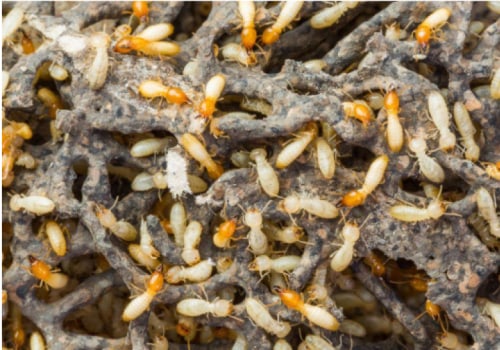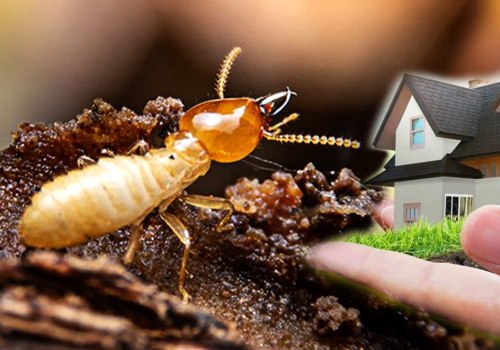
Termites are small, social insects that play a significant role in the ecosystem by breaking down tough plant fibres. However, their presence in residential and commercial properties can lead to severe consequences. These pests are often referred to as silent destroyers because they can cause extensive damage before their presence is even detected. Understanding the biology and behaviour of termites is crucial for property owners, as it helps in identifying the signs of an infestation and the potential risks involved. There are several types of termites, with the most common being subterranean, drywood, and dampwood termites.
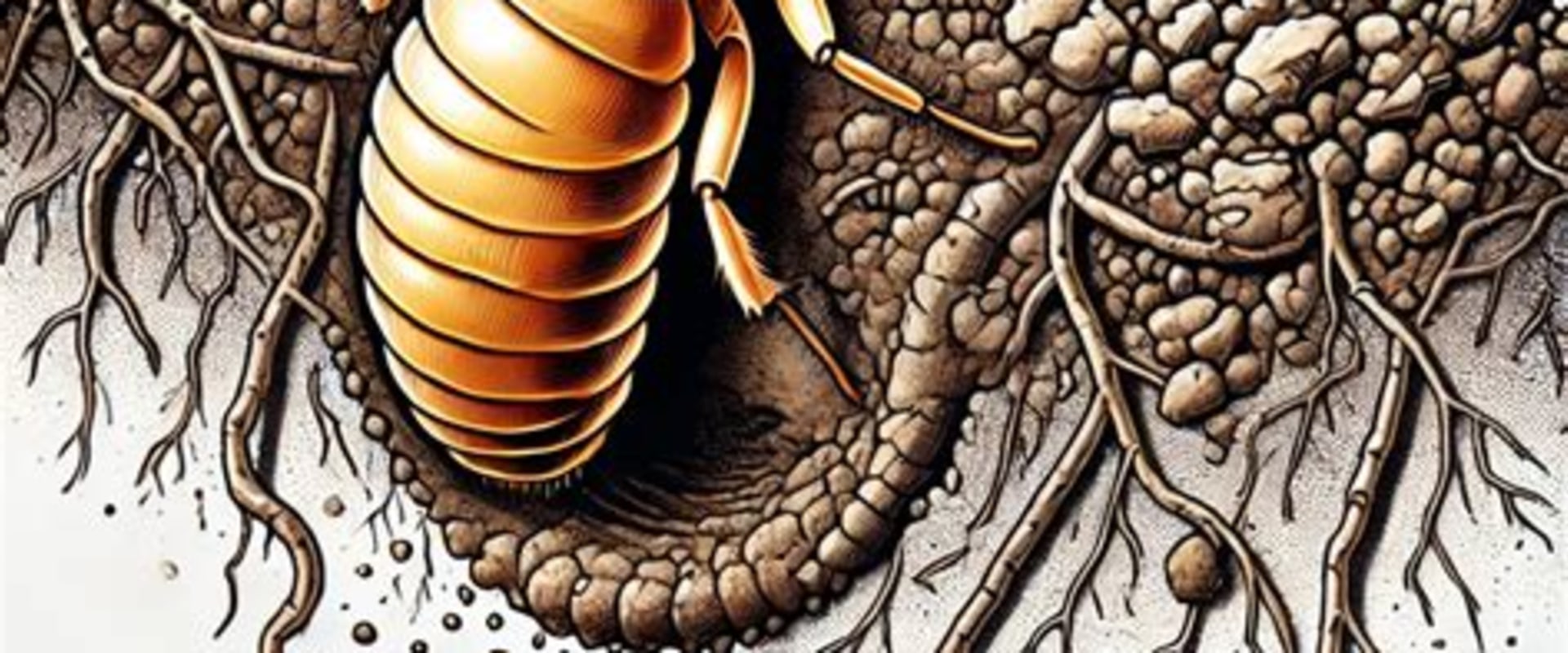
Subterranean termites, for instance, live underground and create extensive tunnel systems that can compromise the structural integrity of buildings. Drywood termites, on the other hand, infest wood directly and can cause significant damage to furniture and wooden structures without any visible signs outside. Each type poses unique challenges for termite removal, making it essential to accurately identify the species involved. The damage caused by termites can be catastrophic, leading to costly repairs and a decrease in property value. They feed on cellulose found in wood, paper, and other plant materials, which means that any wooden structure is at risk.
Early detection and effective management strategies are vital to mitigate their impact. This is why understanding termites and their behaviour is not just an academic exercise; it is a necessary step towards ensuring the long-term safety and integrity of your property.
Signs of a Termite Infestation
Identifying a termite infestation early is crucial for effective termite removal. Homeowners should be vigilant and aware of the signs that indicate these pests may have taken up residence in their property.- Wood Damage: One of the most telling signs of a termite infestation is damage to wooden structures. Look for hollowed-out wood, which may sound hollow when tapped.
This occurs as termites consume the cellulose in wood, leaving behind a thin veneer.
- Frass: Termite droppings, known as frass, resemble small pellets and can often be found near infested areas. This material is a byproduct of their feeding and can indicate an active colony.
- Swarmers: During certain seasons, particularly in spring, you may notice winged termites (swarmers) inside or around your home. These are reproductive termites that leave the colony to establish new nests.
- Mud Tubes: Subterranean termites build mud tubes to protect themselves while travelling between their nest and food sources. These tubes can often be found on walls, foundations, or even in crawl spaces.
- Bubbling or Peeling Paint: If you notice paint that appears to be bubbling or peeling, it could be a sign of moisture damage caused by termites tunnelling beneath the surface.
Pay close attention to wooden structures, as well as any signs of moisture accumulation, which can attract these pests. If you suspect an infestation based on these signs, it is advisable to consult with a professional pest control service for a thorough assessment and appropriate termite removal strategies.
Methods of Termite Removal
When it comes to termite removal, homeowners have several effective methods at their disposal. Understanding these options is crucial for selecting the best approach to eliminate these destructive pests.Chemical Treatments
Chemical treatments are one of the most common methods for removing termites. These treatments typically involve the use of liquid insecticides, known as termiticides, which can be applied to the soil around a property.There are two main types of chemical treatments:
- Pre-construction treatments: These are applied before a building is constructed, creating a protective barrier against termites.
- Post-construction treatments: These are used on existing structures and can be injected into the soil or applied directly to infested wood.
Baiting Systems
Baiting systems offer a more environmentally friendly alternative to chemical treatments. These systems involve placing bait stations around the property that contain a slow-acting insecticide. Termites consume the bait and take it back to their colony, effectively eliminating the entire population over time. This method is particularly useful for monitoring termite activity and can be less intrusive than traditional chemical applications.Physical Barriers
Another effective method for termite removal is the installation of physical barriers.These barriers can be made from materials such as steel mesh or concrete, which prevent termites from accessing the structure. Physical barriers are often used in conjunction with other methods for enhanced protection.Ultimately, the choice of termite treatment options will depend on various factors, including the severity of the infestation, the type of property, and personal preferences regarding environmental impact. Consulting with a professional pest control service can provide valuable insights and help determine the most effective strategy for your specific situation.
Professional vs. DIY Termite Removal
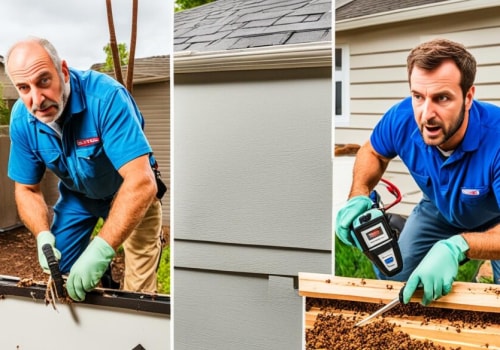
When it comes to termite removal, homeowners often face a critical decision: should they hire a professional service or attempt a DIY termite removal? Each approach has its own set of advantages and disadvantages that can significantly impact the effectiveness of the treatment.Professional Termite Removal
Engaging a professional pest control service is often seen as the most reliable method for termite removal.These experts bring a wealth of experience and specialised knowledge to the table. Here are some key benefits:
- Expertise: Professionals are trained to identify different species of termites and understand their behaviour, which is crucial for effective treatment.
- Advanced Techniques: They have access to advanced tools and products that are not available to the general public, ensuring a more thorough eradication.
- Long-term Solutions: Many pest control companies offer warranties or follow-up services, providing peace of mind that the problem will be addressed comprehensively.
DIY Termite Removal
On the other hand, DIY termite removal can be an appealing option for those looking to save money. There are various methods available, including bait systems and natural remedies. Here are some pros and cons:- Cost-effective: DIY methods typically require less financial investment compared to professional services.
- Control: Homeowners can manage the process at their own pace and choose methods they feel comfortable with.
- Efficacy: Many DIY solutions may not be as effective as professional treatments, potentially leading to recurring infestations.
- Lack of Expertise: Without proper knowledge, homeowners might misidentify the problem or apply treatments incorrectly, exacerbating the issue.
For severe infestations or if in doubt, consulting a professional is often the safest route to ensure complete eradication.
Preventing Future Infestations
Preventing future termite infestations is essential for homeowners who want to safeguard their properties from these destructive pests. Here are some effective termite prevention tips that can help keep your home termite-free:- Maintain Proper Drainage: Ensure that water drains away from your home’s foundation. Poor drainage can create a moist environment that attracts termites.
- Seal Cracks and Openings: Inspect your home for any cracks in the foundation, walls, or around windows and doors. Sealing these gaps can prevent termites from entering.
- Store Firewood Properly: Keep firewood at least 20 feet away from your home and elevate it off the ground.
This reduces the likelihood of termites migrating from the wood to your property.
- Reduce Moisture Levels: Termites thrive in damp conditions. Fix leaky pipes, ensure proper ventilation in crawl spaces, and use dehumidifiers in basements to keep moisture levels low.
- Regular Inspections: Schedule annual inspections with a pest control professional to catch any signs of termite activity early. Early detection is key to effective management.
- Use Termite-Resistant Materials: When building or renovating, consider using materials that are less attractive to termites, such as treated wood or steel.
If you notice any of these signs, it’s crucial to act quickly and consult a pest control expert.By implementing these strategies and remaining vigilant, you can significantly reduce the risk of future termite infestations and protect your property for years to come.
Frequently Asked Questions about Termite Removal
When it comes to termite removal, many homeowners have pressing questions. Understanding the process and implications can help ease concerns and lead to informed decisions.What are the signs of a termite infestation?
Common signs of a termite infestation include:- Wood damage: Look for hollowed-out wood or mud tubes on walls.
- Swarmers: Seeing winged termites indoors, especially in spring, is a strong indicator.
- Droppings: Termite droppings resemble small pellets and can often be found near infested areas.
How long does termite treatment last?
The longevity of termite treatment can vary based on several factors, including the type of treatment used and environmental conditions. Generally:- Liquid treatments: These can last from 5 to 10 years, depending on soil conditions and application methods.
- Bait systems: These require regular monitoring and can be effective for several years if maintained properly.
Can termites return after treatment?
While effective termite removal can significantly reduce the risk of re-infestation, it is possible for termites to return. Factors that may contribute to this include:- The presence of nearby colonies.
- Poor maintenance of the property, allowing moisture accumulation.
What should I do if I suspect a termite problem?
If you suspect a termite issue, it’s crucial to act quickly.Contact a professional pest control service for an inspection. Early detection is key to effective termite removal, minimising damage and costs associated with extensive infestations.
Conclusion: Ensuring Long-Term Protection Against Termites
In conclusion, achieving permanent termite removal from a property is a multifaceted process that requires both immediate action and long-term strategies. While professional pest control services can effectively eliminate existing infestations, the key to ensuring that termites do not return lies in implementing robust prevention measures. Firstly, it is essential to conduct regular inspections of your property. This proactive approach allows homeowners to identify potential signs of termite activity early, enabling swift intervention before a minor issue escalates into a significant infestation. Secondly, maintaining the structural integrity of your home is crucial.This includes:
- Ensuring proper drainage around the foundation to prevent moisture accumulation.
- Sealing any cracks or crevices in walls and foundations where termites could enter.
- Storing firewood and other cellulose materials away from the home to reduce attractants.