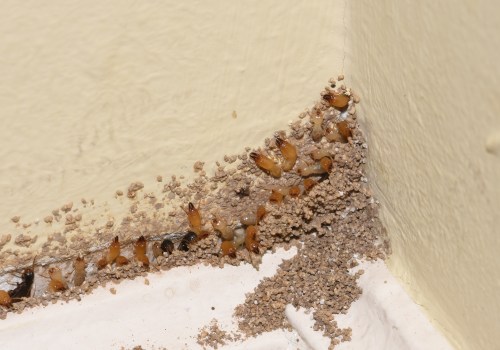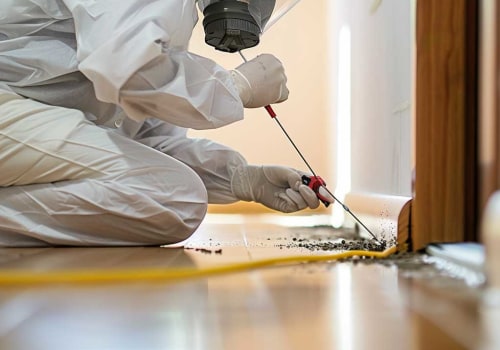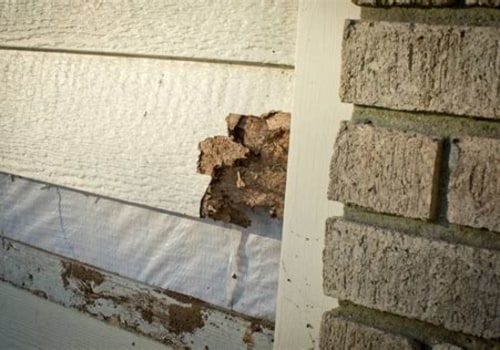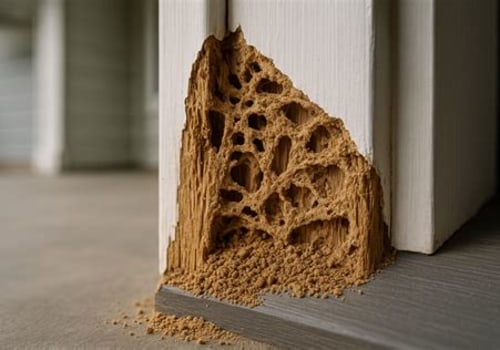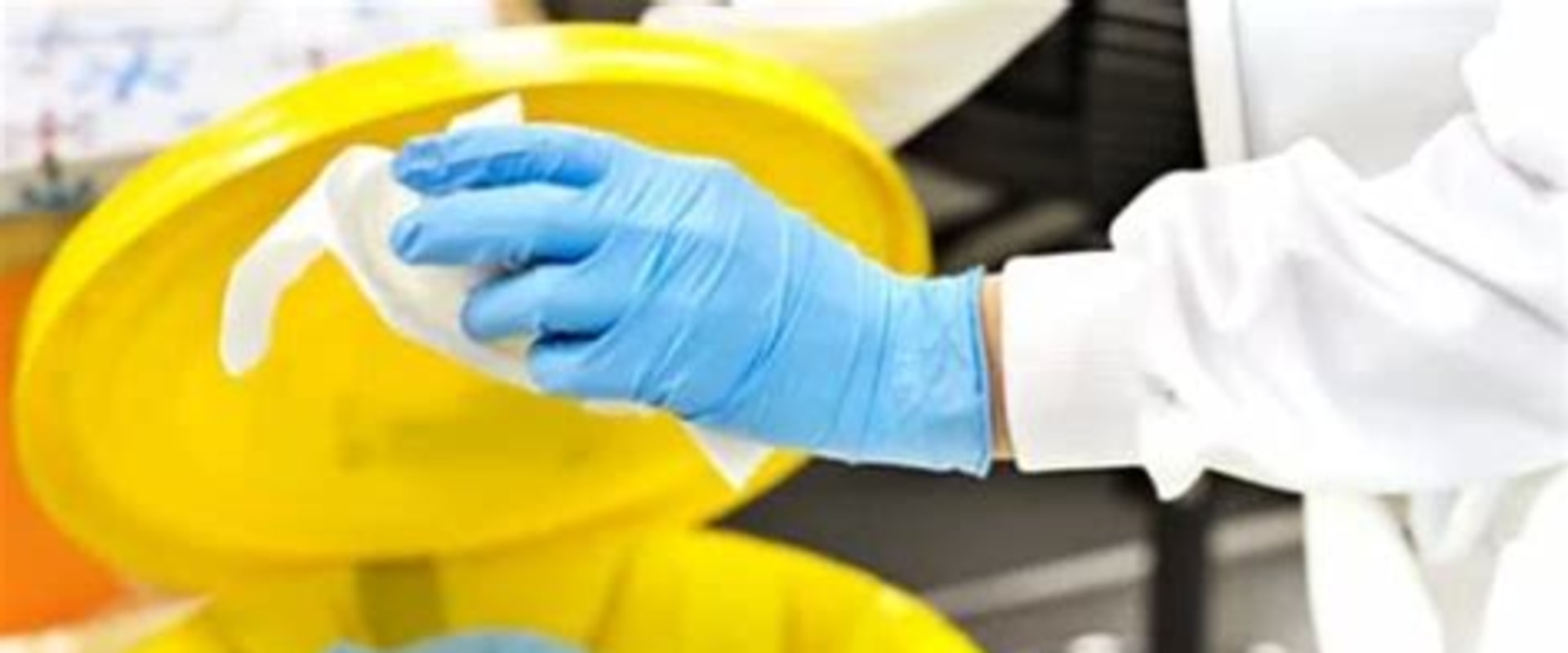
Termite removal is a critical process for homeowners facing infestations that can cause significant structural damage. The treatment methods employed often involve the use of various chemicals designed to eliminate these pests effectively. Understanding the intricacies of termite treatment is essential not only for ensuring the success of the eradication efforts but also for managing the aftermath, particularly when it comes to the safe disposal of leftover materials. During the termite removal process, pest control professionals may utilise a range of products, including liquid insecticides, baits, and foams. Each of these chemicals serves a specific purpose in targeting termite colonies, but they also pose potential risks if not handled properly.
After the treatment is complete, homeowners are often left with leftover chemicals and materials that require careful disposal to prevent harm to both human health and the environment. Proper disposal is crucial as many of these substances can be hazardous. They may contaminate soil and water sources if discarded irresponsibly. Therefore, understanding how to dispose of these materials safely is not just a matter of compliance with local regulations; it is also a vital step in protecting your home and community from potential chemical exposure. In the following sections, we will explore effective strategies for disposing of leftover chemicals after termite removal, ensuring that you can maintain a safe and healthy living environment.
Types of Chemicals Used in Termite Removal
When it comes to termite removal, various chemicals are employed to effectively eliminate these pests.Understanding the types of chemicals used is crucial not only for effective treatment but also for safe disposal.
Types of Chemicals Used
- Insecticides: These are chemicals designed to kill insects, including termites. They can be applied directly to the infested area or used as a preventative measure. Common insecticides include pyrethroids and organophosphates.
- Termiticides: Specifically formulated to target termites, termiticides can be divided into two categories: liquid and bait systems. Liquid termiticides create a barrier in the soil, while bait systems attract termites to a toxic substance that they carry back to their colony.
- Fumigants: These are gaseous chemicals used in structural fumigation.
They penetrate wood and other materials, effectively eliminating termites hidden within. Sulfuryl fluoride is a common fumigant used in this process.
Potential Hazards
While these chemicals are effective in termite removal, they can pose health risks if not handled properly. Exposure can lead to symptoms ranging from mild irritation to severe health issues, depending on the chemical and level of exposure. It is essential to follow safety guidelines during application and disposal.Always wear protective gear such as gloves and masks when handling these substances.Additionally, ensure that any leftover chemicals are stored securely and disposed of according to local regulations to prevent environmental contamination.In summary, understanding the types of chemicals used in termite treatments is vital for both effective pest control and safe disposal practices. Proper handling and disposal not only protect your health but also safeguard the environment from potential hazards associated with these chemicals.
Why Proper Disposal of Chemicals is Important
Disposing of leftover chemicals and materials after termite removal is not just a matter of convenience; it is crucial for safeguarding both the environment and public health. Improper disposal can lead to significant environmental impact, contaminating soil and water sources, which can have long-lasting effects on local ecosystems.Many chemicals used in termite treatments are toxic and can pose serious risks if they leach into the ground or enter waterways. For instance, pesticides may harm beneficial insects, aquatic life, and even plants that are vital for maintaining ecological balance.Therefore, adhering to proper disposal methods is essential to prevent these harmful consequences.
Health Risks Associated with Improper Disposal
The health risks associated with improper disposal of termite removal chemicals extend beyond environmental concerns. Exposure to these substances can lead to various health issues for humans, including:- Respiratory problems: Inhalation of chemical fumes can irritate the lungs and airways.
- Skin irritation: Direct contact with hazardous materials can cause rashes or burns.
- Long-term health effects: Some chemicals may be carcinogenic or have other serious health implications if exposure is prolonged.
By taking the necessary precautions, you not only protect your immediate environment but also contribute to a healthier community.
Local Regulations and Guidelines for Chemical Disposal
When it comes to chemical disposal after termite removal, understanding local regulations and guidelines is crucial for homeowners in the UK. Improper disposal can not only harm the environment but also lead to legal repercussions.Each local authority may have specific rules regarding the disposal of hazardous materials, including chemicals used in pest control. It is essential to consult your local council's waste management department for detailed information. Here are some general guidelines to consider:- Check Local Regulations: Before disposing of any chemicals, verify the regulations in your area.
Many councils provide resources online or through customer service that outline proper disposal methods.
- Use Designated Disposal Sites: Most local authorities have designated sites for hazardous waste. These facilities are equipped to handle chemicals safely and ensure they are disposed of in compliance with environmental laws.
- Avoid Household Waste Bins: Never dispose of leftover chemicals in regular household waste bins. This can contaminate landfills and pose risks to public health.
- Follow Packaging Instructions: If you have the original packaging, refer to it for specific disposal instructions. Many products include guidelines on how to safely dispose of their contents.
- Consider Professional Help: If you are unsure about how to dispose of certain materials, consider hiring a professional waste disposal service that specialises in hazardous materials.
The UK government periodically updates regulations concerning chemical disposal, so keeping abreast of these changes can help you remain compliant and protect your community.By adhering to local guidelines and regulations, homeowners can ensure that they dispose of leftover chemicals responsibly, safeguarding both their health and the environment.
Steps for Safe Disposal of Leftover Chemicals
After completing termite removal, it is crucial to handle any leftover chemicals or materials responsibly to ensure safety for both your household and the environment. Follow these steps for safe disposal:- Identify the Chemicals: Begin by checking the labels on all leftover products. This will help you understand the nature of the chemicals and any specific disposal instructions provided by the manufacturer.
- Do Not Mix Chemicals: Never combine different chemicals, as this can create hazardous reactions. Keep each product in its original container until you are ready to dispose of it.
- Check Local Regulations: Research your local regulations regarding chemical waste management.
Many areas have specific guidelines for disposing of hazardous materials, including designated drop-off locations or collection events.
- Use a Hazardous Waste Facility: If your leftover chemicals are classified as hazardous, take them to a local hazardous waste disposal facility. These facilities are equipped to handle and dispose of dangerous substances safely.
- Consider Recycling Options: Some chemical containers may be recyclable. Check with your local recycling centre to see if they accept empty pesticide or chemical containers.
- Follow Safe Disposal Practices: If you must dispose of chemicals in your regular trash, ensure they are completely empty and follow any specific guidelines provided on the label. Seal containers tightly to prevent leaks.
Disposing of Other Materials After Termite Treatment
After completing termite removal, it is crucial to properly dispose of any leftover materials to ensure safety and compliance with local regulations.This includes not only the chemicals used during treatment but also any packaging or contaminated items that may pose a risk.
1.Identify Contaminated Materials
- Check for any packaging from pesticides or treatments.
- Inspect tools or equipment that may have come into contact with the chemicals.
- Look for any dead termites or debris that may need special handling.
2.Follow Local Regulations
Before disposing of any materials, it is essential to consult your local waste disposal guidelines. Many areas have specific rules regarding the disposal of hazardous waste, including:
- Designated drop-off locations for hazardous materials.
- Scheduled collection days for hazardous waste.
- Requirements for labelling and packaging waste materials.
3.Safe Disposal Methods
For safe disposal, consider the following methods:
- Recycling: Some packaging materials may be recyclable. Check with your local recycling centre.
- Incineration: Certain contaminated items may need to be incinerated at a facility equipped to handle hazardous waste.
- Landfill: If allowed, ensure that the materials are securely packaged to prevent leakage and contamination.
4.Personal Safety Precautions
When handling leftover materials, always wear protective gear such as gloves and masks to avoid exposure to harmful substances. Ensure that you wash your hands thoroughly after handling any potentially contaminated items.By following these guidelines, you can effectively manage the disposal of leftover materials after termite treatment, ensuring a safe environment for you and your family.
Frequently Asked Questions About Chemical Disposal After Termite Removal
When it comes to chemical disposal after termite removal, homeowners often have several questions.Here are some of the most frequently asked questions regarding this important topic:
What should I do with leftover chemicals?
Leftover chemicals from termite treatments should never be disposed of in regular household waste. Instead, contact your local waste management facility to find out about hazardous waste disposal options in your area. Many communities offer special collection days for hazardous materials, ensuring safe and environmentally friendly disposal.Can I pour leftover chemicals down the drain?
No, pouring chemicals down the drain can contaminate water supplies and harm aquatic life. It is crucial to follow proper disposal methods to protect both the environment and public health.How can I safely store leftover chemicals until disposal?
- Keep them in their original containers: This helps prevent accidental exposure and ensures that you have all the necessary information about the chemical.
- Store in a cool, dry place: Avoid areas that are prone to temperature fluctuations or moisture, which can compromise the integrity of the chemicals.
- Label clearly: If you transfer chemicals to a different container, make sure to label it clearly with the contents and any safety warnings.
What are the risks of improper disposal?
Improper disposal of termite removal chemicals can lead to serious environmental issues, including soil contamination and harm to wildlife.Additionally, it poses health risks to humans, particularly children and pets who may come into contact with these substances.
Are there any alternatives to chemical treatments?
If you are concerned about chemical use, consider discussing alternative termite removal methods with your pest control professional. Options such as heat treatment or baiting systems may be less harmful to the environment and can effectively manage termite infestations.By understanding these common questions and following safe disposal practices, you can ensure that your termite removal process is not only effective but also responsible towards the environment.Conclusion: Ensuring Safe Practices Post-Termite Removal
In conclusion, the process of termite removal is not just about eradicating the pests; it also involves responsible management of any leftover chemicals or materials used during the treatment. Proper disposal is crucial to ensure the safety of your home, family, and the environment. Firstly, always refer to the manufacturer's instructions on the chemical containers. These guidelines provide essential information on how to safely dispose of any unused products.Many chemicals can be hazardous, and improper disposal can lead to contamination of soil and water sources.
Key Disposal Practices
- Contact Local Authorities: Reach out to your local waste management facility or environmental agency for advice on disposal options specific to your area.
- Utilise Hazardous Waste Collection: Many communities offer special collection days for hazardous materials. Take advantage of these services to ensure safe disposal.
- Avoid Regular Trash: Never dispose of chemicals in your regular household waste. This can pose serious risks to sanitation workers and the environment.
By taking these steps, you can ensure that your home remains a safe haven free from both termites and the risks associated with improper chemical disposal.