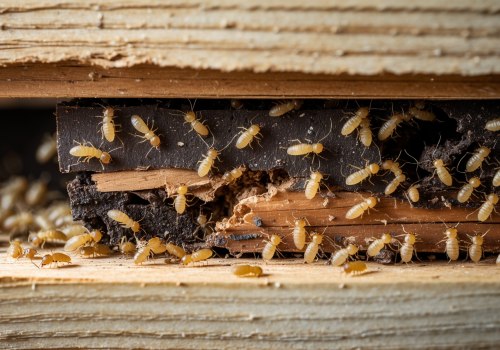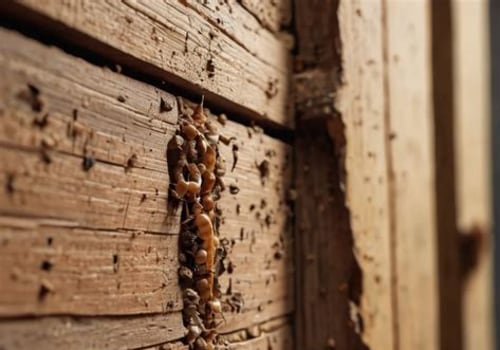
Termite infestations are a silent menace that can wreak havoc on homes and properties, often without any visible signs to alert homeowners. These pests are notorious for their ability to cause extensive damage before their presence is even suspected. Understanding how a termite infestation can develop unnoticed is crucial for effective termite removal and prevention strategies. Many people associate termite problems with obvious indicators such as mud tubes, discarded wings, or hollow-sounding wood. However, these signs may not always be present, especially in the early stages of an infestation.
Termites can thrive within the walls of a structure, consuming wood and other cellulose materials from the inside out, leaving little to no external evidence of their activity. This stealthy behaviour makes it essential for homeowners to be vigilant and informed about the potential risks. Moreover, certain species of termites, like the subterranean variety, can establish colonies deep underground or within the foundation of a building, making detection even more challenging. As a result, many homeowners may remain oblivious to an ongoing infestation until significant damage has occurred. This highlights the importance of regular inspections and understanding the subtle signs that may indicate a problem. In this article, we will delve deeper into the nuances of termite infestations, exploring how they can occur without visible signs and what steps can be taken for effective termite removal.
By arming yourself with knowledge about these elusive pests, you can better protect your home from potential destruction.
Understanding Termites and Their Behaviour
Termites are social insects that belong to the order Isoptera, and they play a crucial role in the ecosystem by breaking down tough plant fibres. Understanding their biology and behaviour is essential for effective termite removal and prevention strategies.What Are Termites?
Termites are often mistaken for ants, but they are more closely related to cockroaches. They are divided into three main types: subterranean, drywood, and dampwood termites. Each type has distinct habitats and feeding preferences:
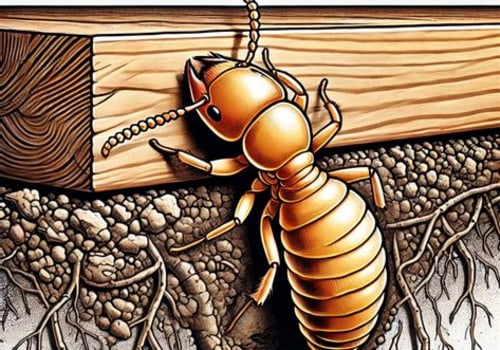
- Subterranean Termites: These termites live underground and build extensive tunnel systems.
They are the most destructive type, often causing significant damage to wooden structures.
- Drywood Termites: Found in dry wood, these termites do not require contact with soil. They can infest furniture and structural wood, making them harder to detect.
- Dampwood Termites: Preferring moist wood, these termites are typically found in decaying trees or wood that has been exposed to water.
Termite Behaviour
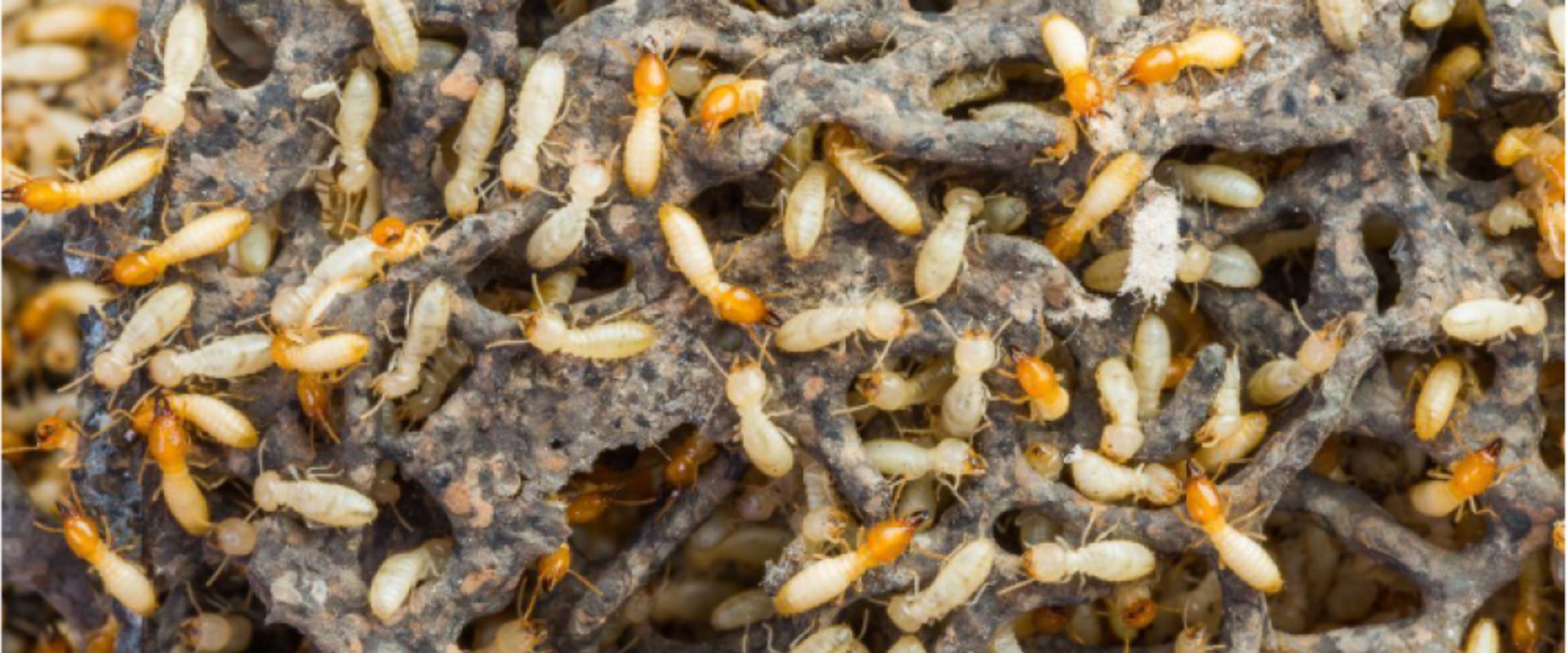
The social structure of termites is fascinating. They live in colonies that can range from a few hundred to millions of individuals, consisting of a queen, king, workers, and soldiers. The queen is responsible for reproduction, while workers maintain the nest and forage for food.Termites primarily feed on cellulose found in wood, leaf litter, and soil.
Their ability to digest cellulose is aided by symbiotic microorganisms in their guts. This feeding behaviour can lead to significant structural damage over time, often without any visible signs until the infestation is severe.Recognising the signs of termite activity is crucial for early intervention. Look for mud tubes, discarded wings, or hollow-sounding wood as potential indicators of an infestation. However, due to their secretive nature, it is possible to have a termite infestation without any visible signs, making regular inspections vital for homeowners.
Signs of a Termite Infestation: What to Look For
Identifying a termite infestation early is crucial for effective termite removal.While some signs are overt, others can be subtle and easily overlooked. Here are the key indicators to watch for:
- Wood Damage: One of the most telling signs of a termite infestation is damage to wooden structures. Look for hollowed-out wood, which may sound hollow when tapped. This damage often occurs from the inside out, making it difficult to detect until significant harm has been done.
- Frass: Termite droppings, known as frass, resemble small pellets or sawdust.
If you find these near wooden structures or in areas where wood meets the ground, it could indicate an active infestation.
- Swarmers: During certain seasons, particularly in spring, you may notice winged termites (swarmers) around your home. These insects are a sign that a colony is nearby and may be looking to establish a new nest.
- Mud Tubes: Subterranean termites build mud tubes to protect themselves while travelling between their nest and food sources. These tubes can often be found on exterior walls or in crawl spaces.
- Paint Damage: If you notice blistering or peeling paint on wooden surfaces, it could be a sign of moisture damage caused by termites tunnelling beneath the surface.
- Unexplained Structural Changes: If you notice doors or windows that suddenly become difficult to open or close, it may indicate shifting caused by termite activity.
- Sound Indicators: Listen for faint clicking sounds within walls or wooden structures. This noise is often produced by worker termites as they communicate with each other.
Regular inspections and maintenance can also play a vital role in preventing infestations before they start.
Can You Have a Termite Infestation Without Visible Signs?
Termite infestations can indeed occur without any visible signs, making them particularly insidious. Many homeowners are unaware that they may have a problem until significant damage has already been done. This is primarily due to the behaviour of termites, which often operate in hidden areas, such as within walls or beneath floors.Invisible Termite Infestation
Termites are notorious for their ability to remain undetected for long periods. They can enter a home through tiny cracks and crevices, often going unnoticed until they have caused substantial structural damage.
Subterranean termites, for instance, build their colonies underground and can travel through mud tubes to access wood sources without ever being seen.
Hidden Termites
Another factor contributing to the difficulty in detecting termite infestations is their preference for consuming wood from the inside out. This means that while the exterior of a wooden structure may appear intact, the interior could be severely compromised. Homeowners might notice signs such as:
- Wood that sounds hollow when tapped.
- Sawdust-like frass near wooden structures.
- Swarmers (winged termites) during certain seasons, indicating a mature colony nearby.
Termite Detection
To effectively manage and prevent termite infestations, it is crucial to conduct regular inspections, even if no visible signs are present. Professional pest control services often employ advanced detection methods, such as:
- Moisture meters to identify damp areas that attract termites.
- Infrared cameras to detect temperature variations in walls.
- Acoustic sensors that pick up the sounds of termites feeding.
The Risks of Undetected Termite Infestations
Termites are often referred to as the "silent destroyers" of the pest world, and for good reason.Many homeowners are unaware that they may be harbouring a termite infestation until significant damage has already occurred. The risks associated with undetected termite infestations can be severe, leading to both structural and financial consequences.
Structural Damage
- Wood Damage: Termites primarily feed on wood, and their presence can compromise the integrity of wooden structures in your home. This includes beams, flooring, and even furniture.
- Foundation Issues: In severe cases, termites can damage the foundation of a building, leading to costly repairs and potential safety hazards.
Financial Implications
- Repair Costs: The longer a termite infestation goes undetected, the more extensive the damage becomes. Homeowners may face thousands of pounds in repair costs if infestations are not addressed promptly.
- Decreased Property Value: A history of termite damage can significantly reduce a property's market value, making it less appealing to potential buyers.
Long-Term Effects
- Health Risks: While termites themselves do not pose direct health risks to humans, the conditions they create can lead to mould growth and other issues that may affect indoor air quality.
- Pest Attraction: An environment that is conducive to termites may also attract other pests, compounding the problem and increasing the need for pest control measures.
Early detection is key to mitigating damage and ensuring the safety and longevity of your home.
Effective Termite Removal Strategies
When it comes to termite removal, understanding the various methods available is crucial for effectively tackling an infestation. Whether you prefer DIY solutions or professional treatments, knowing your options can help you make an informed decision.DIY Termite Removal Methods
If you suspect a termite infestation but want to try handling it yourself first, there are several methods you can consider:- Boric Acid: This natural insecticide can be applied in areas where termites are active. It works by disrupting their digestive systems and is effective in killing them over time.
- Cardboard Traps: Since termites are attracted to cellulose, you can create traps using wet cardboard. Place them in infested areas and check regularly; once termites are attracted, dispose of the cardboard properly.
- Essential Oils: Oils such as orange oil and neem oil have been shown to repel termites.
Mixing these oils with water and spraying them in affected areas can deter further infestation.
Professional Termite Treatment
If the infestation is severe or if DIY methods do not yield results, seeking professional help is advisable. Here are some common professional termite removal strategies:- Liquid Termiticides: Professionals often use liquid treatments that create a barrier around your home, preventing termites from entering.
- Baiting Systems: These involve placing bait stations around your property that attract termites. Once they consume the bait, it disrupts their life cycle and eliminates the colony.
- Fumigation: For extensive infestations, fumigation may be necessary. This method involves sealing your home and using gas to eliminate termites throughout the structure.
Early intervention can save you from costly repairs and extensive damage to your property.
Preventing Future Termite Infestations
Preventing future termite infestations is crucial for maintaining the integrity of your home. By implementing a few proactive measures, you can significantly reduce the risk of these destructive pests invading your property.- Regular Inspections: Schedule annual inspections with a professional pest control service. Early detection is key to preventing a full-blown infestation.
- Moisture Control: Termites thrive in damp environments. Ensure that your home has proper drainage and that gutters are clear of debris.
Fix any leaks in plumbing or roofing to eliminate moisture sources.
- Wood Treatment: Use treated wood for any construction or renovation projects. This can help deter termites from making your home their habitat.
- Seal Entry Points: Inspect your home for cracks and crevices, particularly around windows, doors, and the foundation. Seal these gaps with caulk or other appropriate materials to prevent termites from entering.
- Landscaping Practices: Keep mulch and wood piles away from the foundation of your home. Instead, use gravel or stone as a barrier to deter termites.
- Remove Food Sources: Store firewood away from the house and ensure that any wooden structures, such as decks or fences, are not in direct contact with the soil.
Remember, proactive measures are essential in protecting your home from potential infestations. Regular maintenance and vigilance will go a long way in ensuring that your property remains safe from these pests.
Frequently Asked Questions About Termites and Their Removal
When it comes to termite removal, many homeowners have questions about the nature of these pests and the signs of an infestation. One common query is whether it is possible to have a termite infestation without any visible signs. The answer is yes; in fact, termites can cause significant damage before any noticeable indicators appear.Can Termites Infest Without Visible Signs?
Termites are often referred to as "silent destroyers" because they can be active for months or even years without being detected.
Here are some reasons why:
- Subterranean Termites: These termites live underground and can enter your home through cracks in the foundation, making them difficult to spot.
- Wood Damage: Termites consume wood from the inside out, so you may not see any external damage until it is too late.
- Hidden Nests: Termite colonies can establish nests in walls, attics, or even beneath floors, away from plain sight.
What Are the Signs of a Hidden Infestation?
If you suspect a termite problem but see no obvious signs, look for these subtle indicators:
- Swarmers: Winged termites may emerge from hidden colonies during mating season, indicating a potential infestation.
- Frass: This is termite droppings that resemble sawdust or small pellets, often found near wood structures.
- Bubbling Paint or Wallpaper: This can indicate moisture from termite activity behind walls.
Conclusion: Key Takeaways on Termite Infestations and Removal
In conclusion, understanding the potential for a termite infestation without visible signs is crucial for homeowners and property managers alike. Many individuals may not realise that termites can cause significant damage long before any noticeable indicators appear. This highlights the importance of regular inspections and proactive measures.Here are some key takeaways regarding termite infestations and effective removal strategies:- Awareness of Hidden Infestations: Termites often operate silently, making it essential to be vigilant about potential signs such as mud tubes, discarded wings, or hollow-sounding wood.
- Regular Inspections: Scheduling annual inspections with a qualified pest control professional can help identify infestations early, even when no visible signs are present.
- Effective Removal Strategies: If an infestation is detected, prompt action is necessary.
Options include baiting systems, liquid treatments, and in some cases, structural fumigation.
- Preventive Measures: To reduce the risk of future infestations, consider implementing preventive measures such as maintaining proper drainage, sealing cracks in foundations, and reducing wood-to-soil contact.