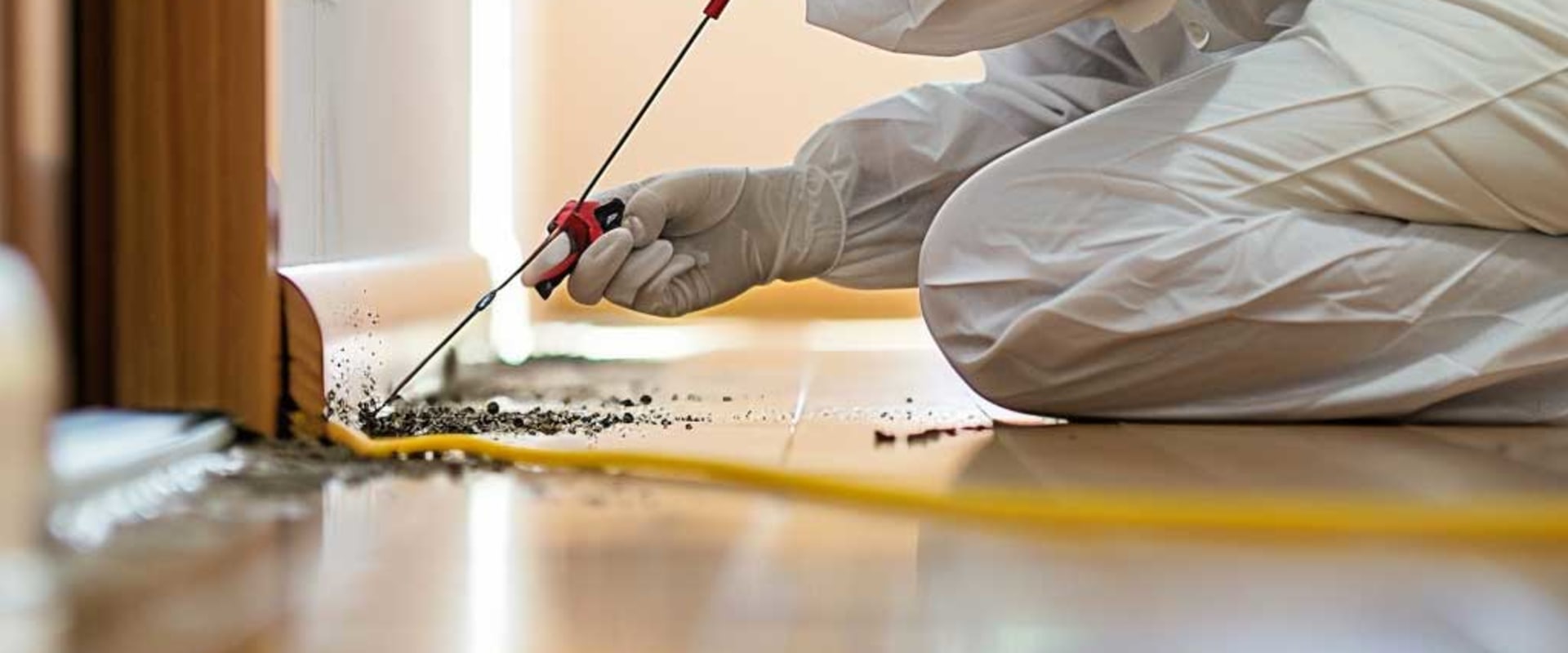
Termite inspections are a critical aspect of home maintenance that every homeowner should prioritise. These tiny pests can cause significant damage to the structural integrity of your property, often going unnoticed until the destruction is extensive and costly to repair. By understanding the importance of termite inspections, you can take proactive steps to safeguard your home and preserve its value. Regular inspections not only help in identifying existing infestations but also play a vital role in termite damage prevention. Termites thrive in environments that provide moisture and wood, making homes an ideal target.
A thorough inspection by a qualified professional can uncover potential problem areas, allowing for timely intervention before a minor issue escalates into a major concern. Moreover, maintaining a routine inspection schedule demonstrates a commitment to responsible homeownership. It reflects an understanding that prevention is always more cost-effective than remediation. By investing in regular termite inspections, you are not just protecting your property; you are also ensuring peace of mind for yourself and your family. In the long run, this diligence can save you from unexpected repair bills and help maintain the overall value of your home.
What Are Termites and Why Are They a Concern?
Termites
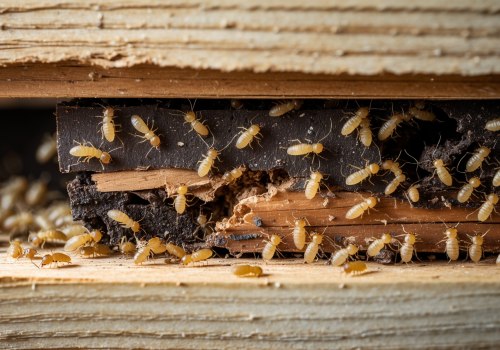
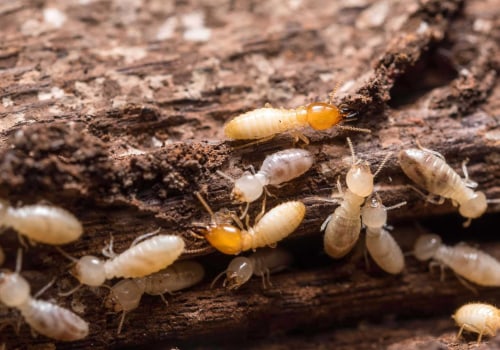
are small, social insects that primarily feed on cellulose, which is found in wood, paper, and other plant materials.
They play a crucial role in the ecosystem by breaking down dead and decaying trees. However, when they invade homes, they can cause significant damage, making them a serious concern for homeowners.There are several types of termites , but the most common ones include:
- Subterranean Termites: These termites live underground and are known for their destructive behaviour. They build mud tubes to access food sources and can cause extensive damage to the foundations of homes.
- Drywood Termites: Unlike subterranean termites, drywood termites do not require contact with soil. They infest dry wood and can be found in furniture, beams, and even wooden flooring.
- Dampwood Termites: These termites prefer moist wood and are often found in decaying trees or wood that has been exposed to water damage.
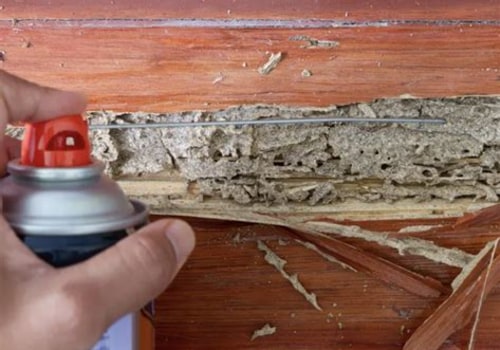
They can compromise the structural integrity of a home, leading to costly repairs. Signs of termite damage include:
- Bubbling or peeling paint
- Sawdust-like droppings near wooden structures
- Hollow-sounding wood when tapped
- Visible mud tubes along walls or foundations
Signs of Termite Infestation
Recognising the signs of termite infestation early can save homeowners from extensive damage and costly repairs.Termites are often referred to as "silent destroyers" because they can chew through wood, flooring, and even wallpaper undetected. Here are some common warning signs to look out for:
- Wood Damage: One of the most obvious signs is the presence of hollowed-out wood. If you tap on wooden structures and hear a hollow sound, it may indicate that termites have been at work.
- Frass: This is the term for termite droppings, which resemble small pellets or sawdust. Finding frass near wooden structures is a clear indication of an infestation.
- Swarmers: During certain seasons, especially in spring, you may notice winged termites (swarmers) around your home.
These are reproductive termites that leave their colonies to establish new ones.
- Mud Tubes: Termites often build mud tubes to protect themselves while travelling between their colony and food sources. These tubes can be found on walls, foundations, or in crawl spaces.
- Bubbling Paint or Wallpaper: If you notice paint or wallpaper that appears to be bubbling or peeling, it could be a sign of moisture caused by termite activity behind the surface.
How Often Should You Have Your Home Inspected for Termites?
Determining how often you should have your home inspected for termites is crucial for maintaining the integrity of your property.The frequency of termite inspections can vary based on several factors, including your geographical location, the age of your home, and any history of previous infestations.
Geographical Location
- In areas with a high prevalence of termites, such as the southern regions of the UK, it is advisable to schedule inspections at least once a year.
- Conversely, in regions where termite activity is less common, inspections every two years may suffice.
Age of Your Home
- Older homes, particularly those built with wood or timber frames, are more susceptible to termite damage. For these properties, an annual inspection is recommended.
- Newer homes may require less frequent inspections, but it’s still wise to have them checked every two years to ensure no issues arise.
History of Infestations
- If your home has previously experienced a termite infestation, it’s essential to have regular inspections—ideally every six months—to catch any potential re-infestations early.
- Even if no signs of termites are present, maintaining a proactive approach can save you from costly repairs in the future.
Factors Influencing Inspection Frequency
When considering how often to have your home inspected for termites, several factors come into play that can significantly influence the frequency of these inspections.Climate Impact on Termites
The climate in your area is one of the most critical factors affecting termite activity. Termites thrive in warm, humid environments, making regions with these conditions particularly susceptible to infestations.In such climates, it is advisable to schedule inspections at least twice a year. Conversely, in cooler or drier climates, annual inspections may suffice, as termite activity tends to be lower.
Home Conditions for Termites
The structural integrity and conditions of your home also play a vital role in determining inspection frequency. Homes with:- Wooden foundations or structures are more vulnerable to termite infestations.
- Poor drainage systems that allow moisture accumulation can create an ideal environment for termites.
- Proximity to vegetation, such as trees and shrubs, can increase the risk of termite invasion.
DIY vs Professional Termite Inspections
When it comes to termite inspections, homeowners often face the choice between conducting a DIY termite inspection or hiring a professional pest control expert.Each approach has its own set of advantages and disadvantages that can significantly impact the effectiveness of the inspection.
DIY Termite Inspections
Performing a DIY termite inspection can be a cost-effective way to check for signs of infestation. Homeowners can look for:- Wood damage: Check for hollow-sounding wood or visible tunnels.
- Sawdust: Look for small piles of wood shavings, which may indicate termite activity.
- Swarmers: Be on the lookout for winged termites, especially during spring.
Benefits of Professional Termite Inspections
Hiring a professional pest control expert offers several benefits:- Expertise: Professionals are trained to identify signs of infestation that an untrained eye might overlook.
- Advanced tools: Pest control experts use specialised equipment and techniques to detect termites in hard-to-reach areas.
- Comprehensive treatment plans: If termites are found, professionals can provide tailored solutions for effective termite removal.
When to Hire a Pest Control Expert
If you suspect a termite problem or have previously experienced infestations, it’s wise to consult a professional. Additionally, if you’re unable to conduct a thorough inspection due to time constraints or lack of knowledge, enlisting an expert is advisable.Regular inspections by professionals can help catch infestations early, saving homeowners from costly repairs down the line.
What to Expect During a Termite Inspection
When you schedule a termite inspection, it’s essential to understand what the process entails and what you can expect from the inspector. Typically, a thorough inspection can take anywhere from 30 minutes to a couple of hours, depending on the size of your property and the extent of the inspection required.Inspection Process
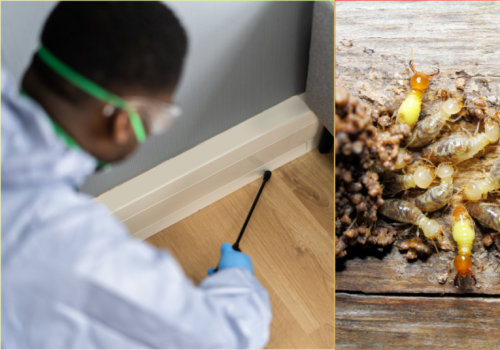
- Initial Assessment: The inspector will start by examining the exterior of your home, looking for signs of termite activity such as mud tubes, damaged wood, or droppings.
- Interior Examination: Next, they will move inside to inspect areas like basements, attics, and crawl spaces. They will check for moisture issues, which can attract termites.
- Wood Damage Inspection: The inspector will tap on wooden structures to identify hollow sounds that indicate potential damage from termites.
- Moisture Levels: Using moisture meters, they will assess areas that are prone to dampness, as these are prime locations for termite infestations.
What Happens During a Termite Inspection?
The inspector will document their findings and may take photographs for your records. After completing the inspection, they will provide you with a detailed report outlining any signs of infestation and recommendations for termite removal if necessary.
Termite Inspection Checklist
- Check for visible signs of termites (e.g., mud tubes, frass).
- Inspect wood structures for damage.
- Assess moisture levels in potential problem areas.
- Evaluate landscaping and soil conditions around the foundation.
Regular inspections are crucial in preventing significant damage and ensuring peace of mind regarding your property’s integrity.
Cost of Termite Inspections and Treatments
When considering termite removal, understanding the costs associated with inspections and treatments is crucial for homeowners in the UK. The price of a termite inspection can vary significantly based on several factors, including the size of your property and the extent of the infestation.Cost of Termite Inspections in the UK
On average, a professional termite inspection in the UK can range from £50 to £150. This fee typically covers a thorough examination of your property, including both interior and exterior areas. Some pest control companies may offer free inspections as part of their service package, but it’s essential to ensure that these services are comprehensive.Termite Treatment Costs
If termites are detected, the next step is treatment, which can be considerably more expensive.The cost of termite treatments can vary widely depending on the method used:
- Liquid treatments: These typically range from £200 to £1,500, depending on the severity of the infestation and the size of your home.
- Baiting systems: Installation costs for baiting systems can be between £1,000 and £2,500, which includes ongoing monitoring and maintenance.
- Fumigation: In severe cases, fumigation may be necessary, costing anywhere from £1,500 to £4,000.
Budgeting for Pest Control
When budgeting for pest control, it’s wise to consider both inspection and treatment costs. Homeowners should also factor in potential follow-up inspections or treatments that may be required to ensure that termites do not return. Setting aside a budget of around £300 to £600 annually for preventative measures can save you from more significant expenses down the line.In conclusion, being proactive about termite inspections and treatments not only protects your home but also helps you manage costs effectively. Regular inspections can catch infestations early, potentially saving you thousands in damage repairs and extensive treatments.Frequently Asked Questions About Termite Inspections
When it comes to termite inspections, homeowners often have several questions.Understanding these can help you maintain a pest-free home and protect your investment.
- How often should I have my home inspected for termites?
It is generally recommended to have a professional termite inspection at least once a year. However, if you live in an area prone to termite infestations, you may want to consider more frequent inspections, such as every six months. - What are the signs of a termite infestation?
Common signs include mud tubes on exterior walls, hollow-sounding wood, discarded wings near windows or doors, and small piles of sawdust. If you notice any of these signs, it’s crucial to contact a pest control professional immediately. - Can I inspect my home for termites myself?
While you can perform a basic visual inspection, it is advisable to hire a professional for a thorough examination. Professionals have the training and tools necessary to detect hidden infestations that may not be visible to the untrained eye. - What happens during a termite inspection?
A typical inspection involves checking the foundation, walls, and any wooden structures in and around your home.Inspectors will look for signs of damage and may use moisture meters or infrared cameras to identify potential problem areas.
- How long does a termite treatment last?
The longevity of termite treatments can vary based on the method used. Liquid treatments may last from 5 to 10 years, while bait systems can be effective as long as they are maintained properly. Regular follow-up inspections are essential to ensure ongoing protection.
Conclusion: Protecting Your Home from Termites
In conclusion, protecting your home from termites is not just about addressing an immediate threat; it’s about implementing a proactive strategy to ensure the long-term integrity of your property. Regular inspections are a crucial component of this strategy, as they allow for early detection and intervention before a minor issue escalates into a major infestation.Understanding the frequency of termite inspections
is essential.Homeowners should consider scheduling professional inspections at least once a year, especially in areas prone to termite activity. However, if you live in a high-risk zone or have previously dealt with termite issues, biannual inspections may be advisable.Additionally, being vigilant about signs of termite activity can help you catch problems early. Look for:
- Mud tubes on exterior walls or foundations
- Wood damage that appears hollow or has small holes
- Swarms of winged insects around your home
By prioritising prevention and being proactive, you can safeguard your home and ensure it remains a safe haven for you and your family.