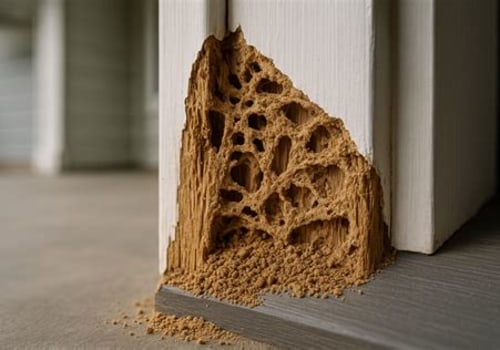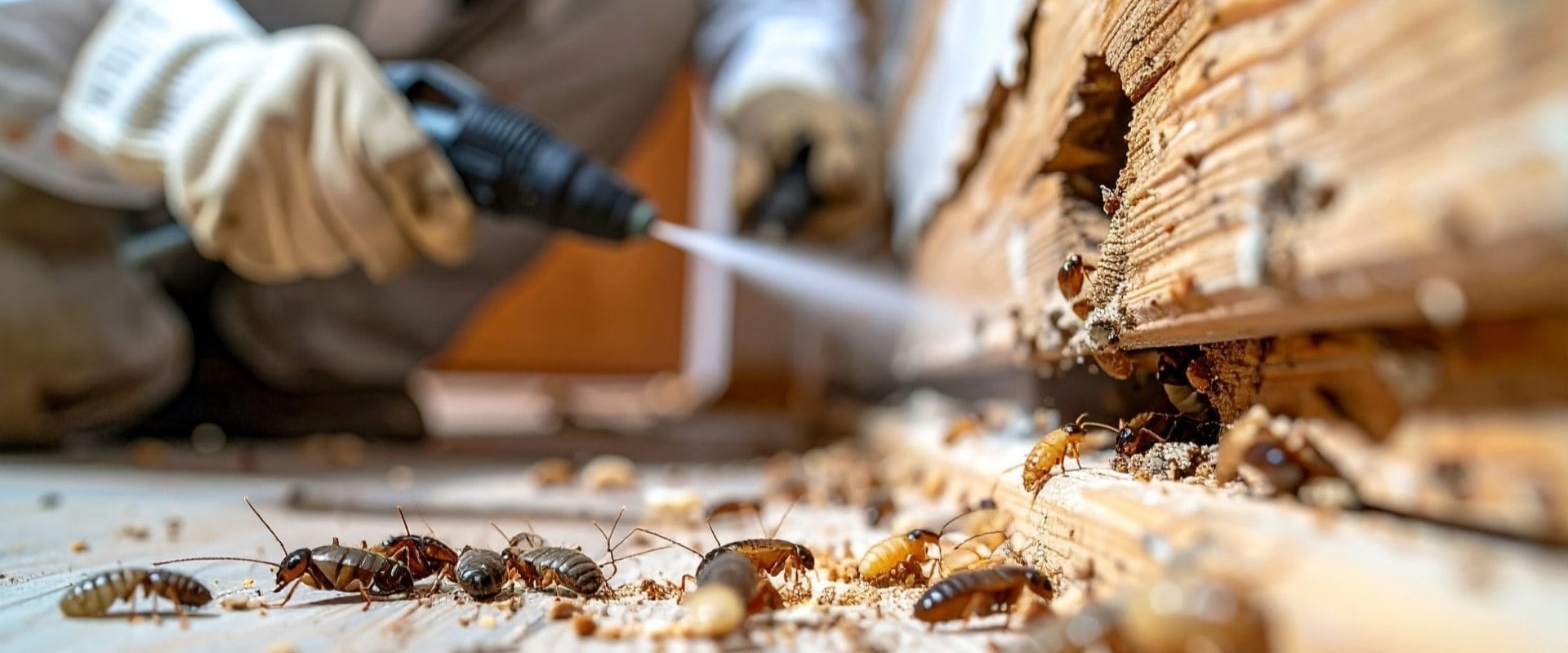
Termite infestations are a common yet often overlooked problem that can lead to significant structural damage in homes. These pests, often referred to as "silent destroyers," can cause extensive harm before their presence is even detected. Understanding how these infestations occur is crucial for homeowners, as it allows for timely intervention and effective termite removal.Typically, termites enter homes through cracks in the foundation or by infesting wooden structures that are in contact with the soil. They thrive in warm, moist environments, making areas with poor ventilation particularly susceptible.
Homeowners should be vigilant for signs of termites, which include mud tubes along walls, hollow-sounding wood, and discarded wings near windows or doors. Recognising these indicators early can prevent a minor issue from escalating into a full-blown infestation. The damage caused by termites can be devastating. They primarily feed on cellulose found in wood, paper, and other plant materials, which means they can compromise the integrity of your home’s structure. Over time, untreated infestations can lead to costly repairs and even pose safety risks.
Therefore, understanding the nature of termite infestations and their potential impact is essential for any homeowner looking to protect their property.
The Termite Removal Process Explained
Understanding the termite removal process is crucial for homeowners facing a termite infestation. The methods employed can vary significantly based on the severity of the infestation and the type of termites present. Here, we will explore some of the most common termite treatment methods.Chemical Treatments
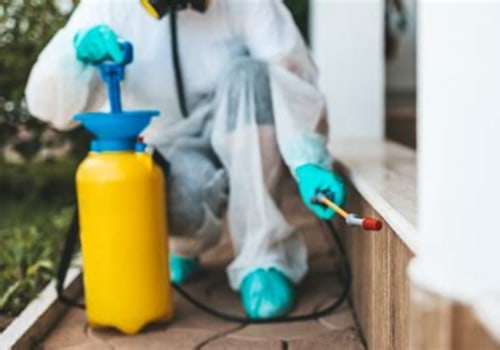
Chemical treatments are one of the most widely used methods for termite removal. These treatments typically involve the application of liquid insecticides, known as termiticides, which are designed to kill termites on contact or through ingestion.There are two primary types of chemical treatments:
- Soil Treatment: This involves applying termiticides to the soil around and beneath a home to create a barrier that prevents termites from entering.
- Wood Treatment: In this method, wood structures are treated with insecticides to protect them from future infestations.
Physical Barriers
Another effective method for termite removal is the installation of physical barriers. These barriers can be made from materials such as steel mesh or concrete, which prevent termites from accessing wooden structures. Physical barriers are often used in conjunction with chemical treatments for enhanced protection.Baiting Systems
Baiting systems are an innovative approach to termite control. These systems involve placing bait stations around the perimeter of a property.The bait contains a slow-acting insecticide that termites consume and then carry back to their colony, effectively eliminating the entire colony over time. This method is particularly useful for monitoring and controlling termite populations.Regardless of the method chosen, it is essential for homeowners to consult with a professional pest control service to determine the most effective strategy for their specific situation. Understanding how termite removal works not only prepares you for what to expect during treatment but also helps in making informed decisions about protecting your home from future infestations.
Do You Need to Vacate Your Home?
When it comes to termite removal, one of the most common concerns homeowners have is whether they need to vacate their homes during the treatment process. The answer to this question can vary based on several factors, including the type of treatment being used, the severity of the infestation, and the specific recommendations of your pest control professional.Types of Treatments
- Liquid Treatments: If your pest control service is using liquid insecticides, you may not need to leave your home.
However, it is essential to ensure proper ventilation and follow any safety guidelines provided by the technician.
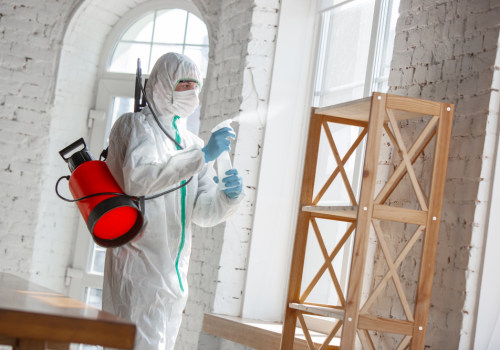
- Fumigation: In cases of severe infestations, fumigation may be necessary. This method involves sealing your home and introducing a gas that eliminates termites. During this process, it is crucial for all residents and pets to vacate the premises for a specified period, usually 24 to 72 hours.
- Baiting Systems: If baiting systems are being installed, you typically do not need to leave your home. These systems are designed to be safe for household members while effectively targeting termite colonies.
Safety Considerations
Your safety should always be a priority during termite treatment.
Even if you are allowed to stay in your home, consider the following:
- Ensure that children and pets are kept away from treated areas until they are declared safe.
- Follow all instructions provided by your pest control technician regarding re-entry times and safety precautions.
- If you have any health concerns or sensitivities, discuss these with your pest control provider beforehand.
Factors Influencing the Decision to Vacate
When considering whether to vacate your home during the termite removal process, several factors come into play. Understanding these factors can help you make an informed decision that prioritises both safety and effectiveness.Type of Treatment Used
The method of termite removal significantly influences the need to vacate your home. There are primarily two types of treatments: chemical and non-chemical.- Chemical Treatments: If the exterminator uses liquid pesticides or fumigation, it is often necessary to vacate the premises.
Fumigation involves sealing the home and introducing gas that can be harmful to humans and pets. In such cases, you may need to stay away for several days.
- Non-Chemical Treatments: Methods like heat treatment or microwave technology may not require you to leave your home, as they do not involve harmful chemicals. However, it’s essential to discuss this with your pest control professional.
Safety Concerns
Your personal health and safety should always be a priority. Individuals with respiratory issues, allergies, or sensitivities may be more affected by certain treatments.If you or anyone in your household falls into this category, it is advisable to vacate during the treatment process, even if the method used is deemed safe for general occupancy.
Duration of Treatment
The length of time required for termite removal can also dictate whether you need to leave your home. Short treatments may allow you to stay, while longer processes might necessitate a temporary relocation. Always consult with your pest control expert about the expected duration and any associated risks.Ultimately, the decision to vacate should be based on a thorough understanding of the treatment being used and any personal health considerations. Engaging in open communication with your pest control provider will ensure that you make the best choice for your situation.What to Expect During Termite Removal
When it comes to termite removal, understanding what to expect can significantly ease the anxiety homeowners may feel.The process typically involves several stages, each designed to effectively eliminate the termite infestation while minimising disruption to your daily life.
Initial Assessment
- The first step is a thorough inspection of your property by a qualified pest control professional. This assessment helps identify the extent of the infestation and the specific type of termites present.
- During this phase, you may be asked to vacate certain areas of your home, especially if the infestation is severe.
Treatment Options
- Once the assessment is complete, the technician will discuss treatment options. Common methods include liquid treatments, bait systems, and fumigation.
- If fumigation is necessary, you will need to vacate your home for a specified period, usually between 24 to 72 hours, depending on the severity of the infestation and the method used.
Duration of Treatment
- The entire termite removal process can take anywhere from a few hours to several days. Liquid treatments may require less time compared to fumigation.
- After treatment, it’s essential to follow any guidelines provided by your pest control expert regarding when it is safe to return home.
Post-Treatment Monitoring
- After the initial treatment, ongoing monitoring is crucial.
This may involve regular inspections and maintenance treatments to ensure that termites do not return.
- Your pest control provider will typically schedule follow-up visits to assess the effectiveness of the treatment and make any necessary adjustments.
Post-Treatment Considerations
After the termite removal process is complete, it’s essential to take certain steps to ensure your home remains free from these pests. Here are some key post-treatment care considerations:Returning Home
If you were required to vacate your home during the treatment, it’s generally safe to return once the pest control professionals have confirmed that the area is clear. However, it’s advisable to wait for at least 24 hours after treatment before re-entering, especially if any chemicals were used.Always follow the specific guidelines provided by your pest control service.
Monitoring for Future Infestations
Once you’re back in your home, vigilance is crucial. Here are some tips for monitoring:- Regular Inspections: Conduct regular visual inspections of your property, focusing on areas where termites are likely to enter, such as cracks in walls and around windows.
- Check for Signs: Look for signs of termite activity, including mud tubes, discarded wings, or hollow-sounding wood.
- Maintain Dryness: Ensure that your home remains dry and well-ventilated, as moisture attracts termites.
Follow-Up Actions
In addition to monitoring, consider these follow-up actions:- Schedule a Follow-Up Inspection: Many pest control companies recommend a follow-up inspection within a few months after treatment to ensure that the problem has been fully resolved.
- Implement Preventative Measures: Discuss with your pest control provider about preventative treatments or barriers that can be installed to deter future infestations.
- Educate Yourself: Learn more about termite behaviour and signs of infestation so you can act quickly if needed.
Frequently Asked Questions About Termite Removal
When it comes to termite removal, homeowners often have numerous questions and concerns. One of the most common queries is whether it is necessary to vacate the home during the treatment process.Do I need to leave my home during termite treatment?
In many cases, it is advisable to vacate your home during the termite removal process, especially if the treatment involves the use of chemical pesticides. These chemicals can pose health risks if inhaled or absorbed through the skin.
The duration of your absence will depend on the type of treatment used:
- Liquid treatments: If your pest control professional uses liquid pesticides, you may need to leave for a few hours to a day, depending on the product's safety guidelines.
- Fumigation: For more severe infestations, fumigation may be necessary. This process typically requires you to vacate your home for 2-3 days, as the entire structure will be sealed and treated with gas.
What should I do to prepare for termite removal?
Preparation is key to ensuring a smooth termite removal process. Here are some steps you can take:
- Remove any food items and personal belongings from areas that will be treated.
- Ensure that pets are safely relocated during the treatment period.
- Inform your pest control technician about any specific concerns or conditions in your home.
Are there any long-term effects after treatment?
After successful termite removal, it’s essential to monitor your property for any signs of re-infestation. Regular inspections and preventive measures can help maintain a termite-free environment.
Additionally, ask your pest control professional about follow-up treatments or maintenance plans that may be beneficial.If you have further questions or specific concerns regarding your situation, don’t hesitate to reach out to a qualified pest control expert for tailored advice.
Conclusion: Making Informed Decisions About Termite Removal
In conclusion, understanding the termite removal process is crucial for homeowners facing a termite infestation. Throughout this article, we have explored various aspects of termite removal, including the methods used, the potential need to vacate your home, and the importance of professional intervention. One of the key takeaways is that while not all termite removal methods require you to leave your home, certain treatments—especially those involving chemical applications—may necessitate temporary relocation for your safety. It is essential to consult with your pest control professional to determine the best course of action based on the severity of the infestation and the specific treatment plan. Moreover, being informed about the signs of termite activity and understanding the potential damage they can cause will empower you to act swiftly. Regular inspections and preventive measures can significantly reduce the risk of future infestations, saving you time and money in the long run. Ultimately, making informed decisions regarding termite removal not only protects your property but also ensures the safety and well-being of your family.Always prioritise working with qualified professionals who can provide tailored advice and effective solutions for your unique situation. By staying proactive and educated about termite management, you can safeguard your home against these destructive pests and maintain a healthy living environment.